
Air fryers are edging into everyday cooking, challenging the old dominance of the traditional oven. The pitch is simple: concentrated hot air, fast results, little oil. The real test sits elsewhere: how they compare on cooking time, energy use, and capacity. Specialists examine where each appliance excels, and how the recipe and portion size should shape the choice.
the rise of the air fryer
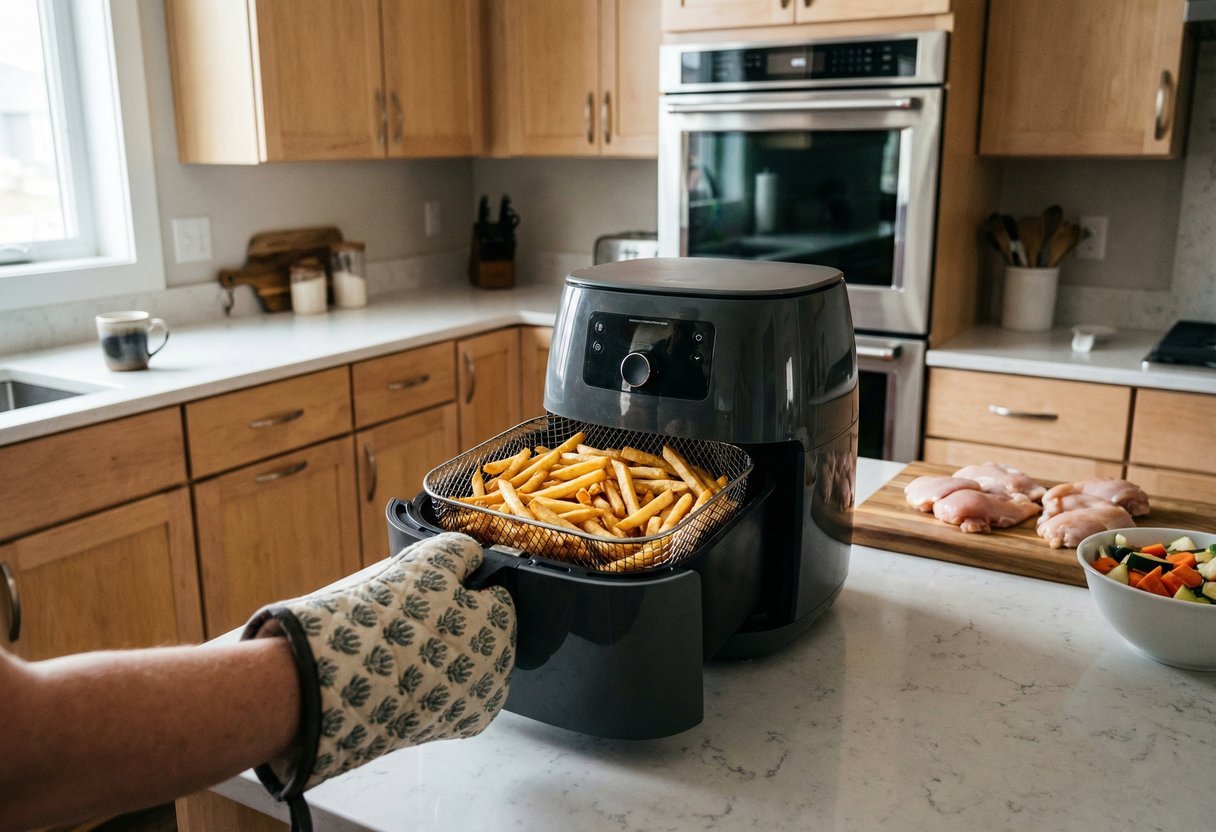
By dinnertime, Dutch kitchens hum with a new favorite: the air fryer. The compact box promises crisp fries, quick chicken, and fewer splatters, all powered by fast-moving hot air instead of oil. It fits on a counter, heats in minutes, and invites weeknight spontaneity. But can a countertop gadget really replace a full oven?
- Unable to find buyer, they offer their 1,400-square-foot apartment in a 10-dollars raffle
Unable to find buyer, they offer their 1,400-square-foot apartment in a 10-dollars raffle
- Don’t cut down your dead trees, they’re essential for the survival of many bird species
Don’t cut down your dead trees, they’re essential for the survival of many bird species
benefits of the air fryer
The air fryer’s calling card is speed. Preheating is minimal and cook times are short, which matters on busy nights or when you only need 1–2 portions. France’s energy agency ADEME reports that for small loads an air fryer often uses less energy than a traditional oven. The compact cavity concentrates heat and airflow, producing crisp textures without a vat of oil.
limits of the air fryer
Trade-offs start with capacity. Most baskets comfortably serve 1–2 people, and stacking food reduces browning. Classic oven features are also missing or limited: top-down broiling, steady top-and-bottom heat, and reliable multi-shelf baking. Try a deep lasagna or a loaf of bread and you will meet those constraints quickly; the basket’s shape and height simply leave less room to rise, dome, or brown evenly.
what experts say
Chefs and energy specialists land on a nuanced verdict. For small, fast jobs, an air fryer is efficient and consistently crisp; for breadth and volume, the oven still wins. ADEME notes that a well-used oven—especially with strong convection—becomes efficient when fully loaded, often allowing a set temperature about 20 degrees lower while maintaining even results. That same oven also unlocks versatility: sheet-pan dinners, multiple trays of cookies, grilled vegetables under direct top heat, and bread with proper oven spring.
- For just €7, this IKEA sensor instantly alerts you when a door or window is opened
For just €7, this IKEA sensor instantly alerts you when a door or window is opened
- I thought my orchid was doomed until this trick revived its bloom in 24 hours
I thought my orchid was doomed until this trick revived its bloom in 24 hours
the right tool for every kitchen
Choosing between the two depends on how you cook and for how many. If you live solo or cook for 2, the air fryer covers snacks, frozen items, and quick proteins with minimal fuss. For family meals, large casseroles, careful baking, or cooking several components at once, the oven remains essential. In many homes, they complement each other: the air fryer handles speed; the oven handles scope and precision.