
In France, the line between a beloved pet and a stray can be crossed in a few steps, with legal consequences that many owners do not see coming. The Code rural et de la pêche maritime sets precise thresholds that decide when a roaming cat is no longer considered under its owner’s immediate care. From official intervention to the anxiety of proving ownership, the stakes are real for households with outdoor cats. Knowing how the rules draw that line, and how to keep a cat safely on the right side of it, has become a pressing concern.
Legal definition of feline roaming
on a quiet lane in the Oise, Sylvie’s Maine Coon was picked up 1,500 meters from home. that single figure changed everything: in France, the cat was no longer a neighborhood wanderer but, legally, a stray.
- Unable to find buyer, they offer their 1,400-square-foot apartment in a 10-dollars raffle
Unable to find buyer, they offer their 1,400-square-foot apartment in a 10-dollars raffle
- Don’t cut down your dead trees, they’re essential for the survival of many bird species
Don’t cut down your dead trees, they’re essential for the survival of many bird species
the threshold comes from article L211-23 of the Code rural et de la pêche maritime. a cat is considered “roaming” if it is more than 1,000 meters from its owner’s home without immediate supervision, or if it is more than 200 meters from any habitation and not identified by microchip or tattoo. the rule blends distance, control and identification to fix the animal’s status in the field.
that means a casual loop around the block is not the issue; measurable distance is. identification matters, too. a chipped cat seen at 250 meters from the village may be fine, while an unchipped lookalike at the same spot risks being treated as unknown.
The legal risks for cat owners
think your garden cat is safe just beyond the hedge? under French law, municipalities can trap roaming cats and place them in the local pound, the fourrière. owners typically have 8 working days to reclaim the animal. after that, the shelter may authorize adoption or, in some cases, euthanasia.
liability remains in play. under the civil code, an owner is responsible for damage caused by their animal. if a driver swerves to avoid your cat in a roaming situation 1,200 meters from home, an insurer may probe whether you exercised reasonable control and whether the animal was identified.
sylvie’s case underlines the stakes. her cat, found in farmland at 1,500 meters, was processed as stray and returned only after being sterilized and tattooed by the shelter’s partner clinic. the paperwork was legal; the experience was jarring.
- For just €7, this IKEA sensor instantly alerts you when a door or window is opened
For just €7, this IKEA sensor instantly alerts you when a door or window is opened
- I thought my orchid was doomed until this trick revived its bloom in 24 hours
I thought my orchid was doomed until this trick revived its bloom in 24 hours
How to prevent your cat from being deemed stray
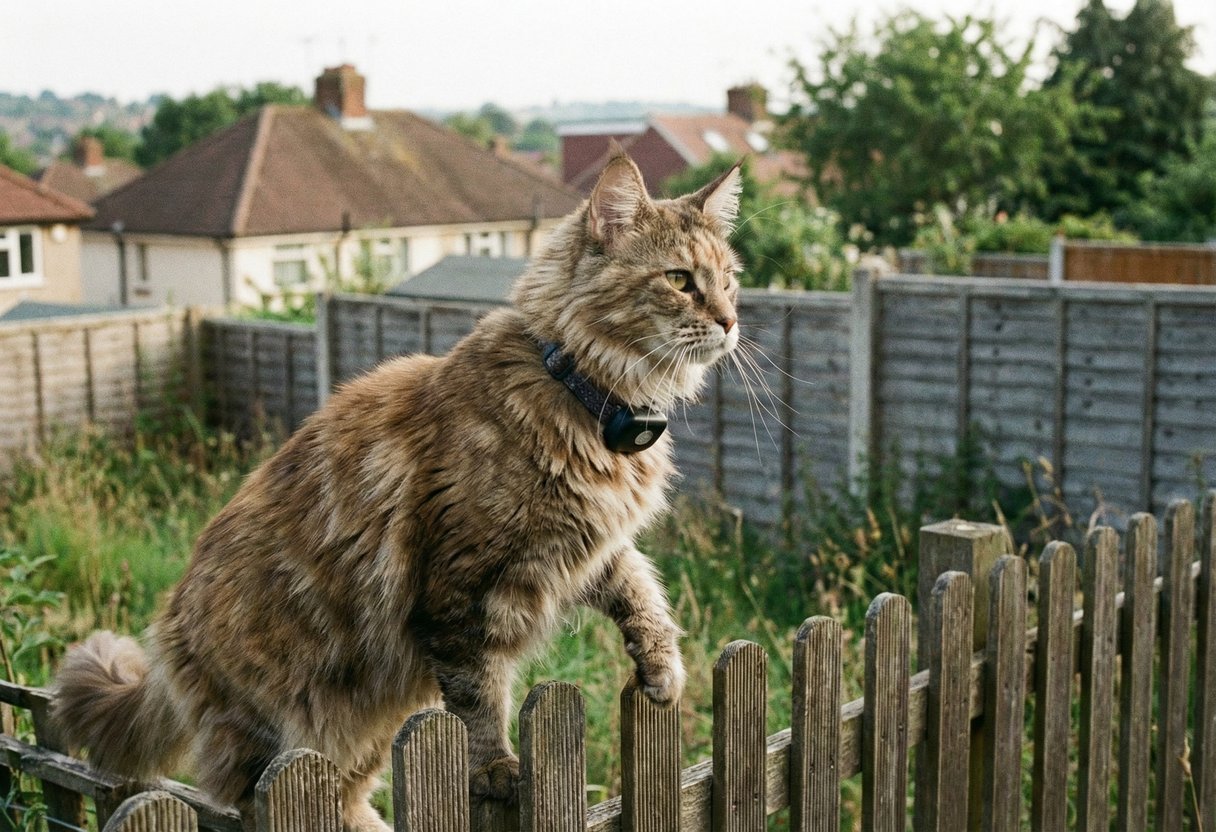
start with identification. microchip or tattoo your cat and keep the registry details current. a breakaway collar with a phone number reassures neighbors and helps authorities call you before a pound intake. identification is not a formality; it is a legal obligation and a lifeline.
consider sterilization. it curbs mating drives and reduces long-range excursions, especially during breeding seasons. it also lowers the odds of fights and injuries, which can spiral into costly veterinary care.
manage the radius. map a 1,000-meter circle around your home and, if possible, use a lightweight gps tracker to learn your cat’s true routes. supervised outdoor time, reliable feeding schedules and environmental enrichment indoors can shrink wanderlust. in the yard, inward-facing fence toppers, angled returns or roller bars deter climbs. simple recall training with a distinct sound and high-value treats gives you real-time control without a leash.