
Rats follow opportunity, and many gardens quietly provide it. Left unchecked, the result is contamination risks, chewed cables and a population that is hard to dislodge. There is a cleaner way to tip the balance, using scent, planting choices and routine care instead of toxins. Read the signs your plot is sending, then apply a joined up plan that protects crops and supports the wildlife you want.
Rats in the garden – a growing problem
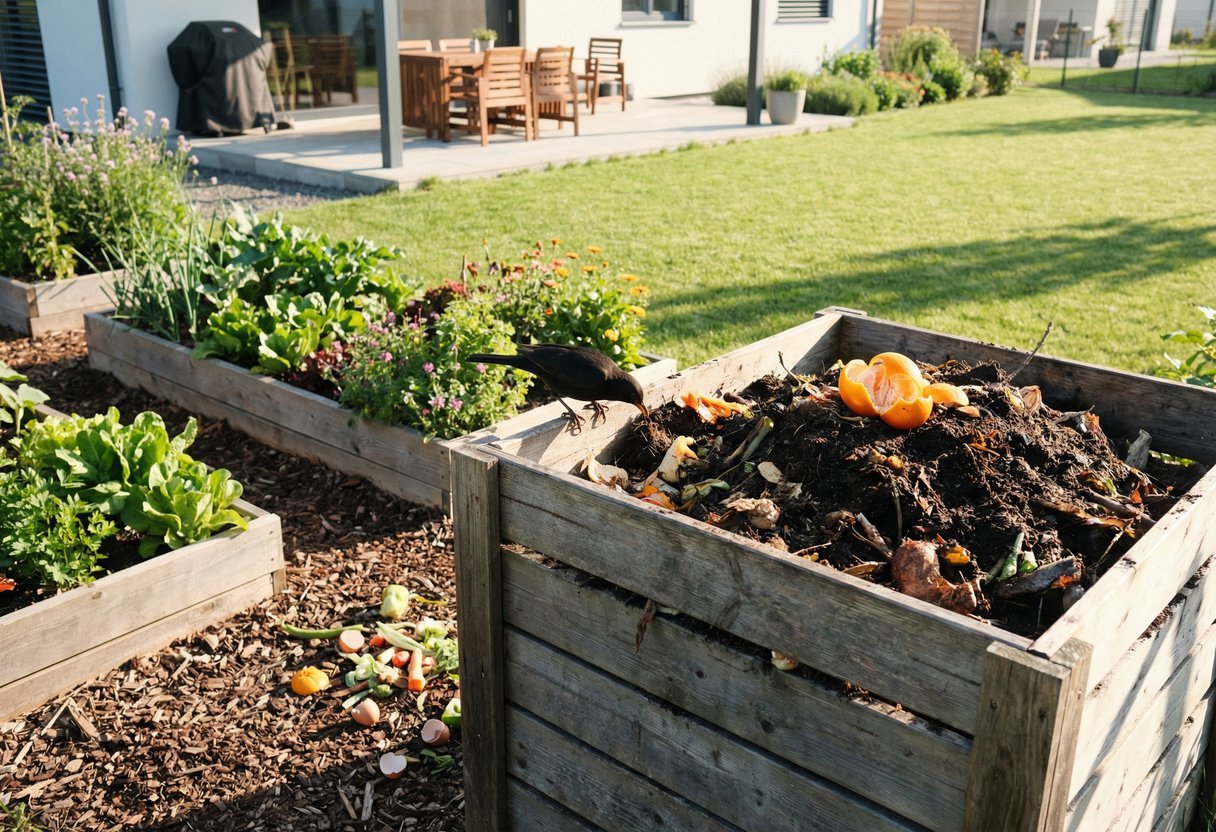
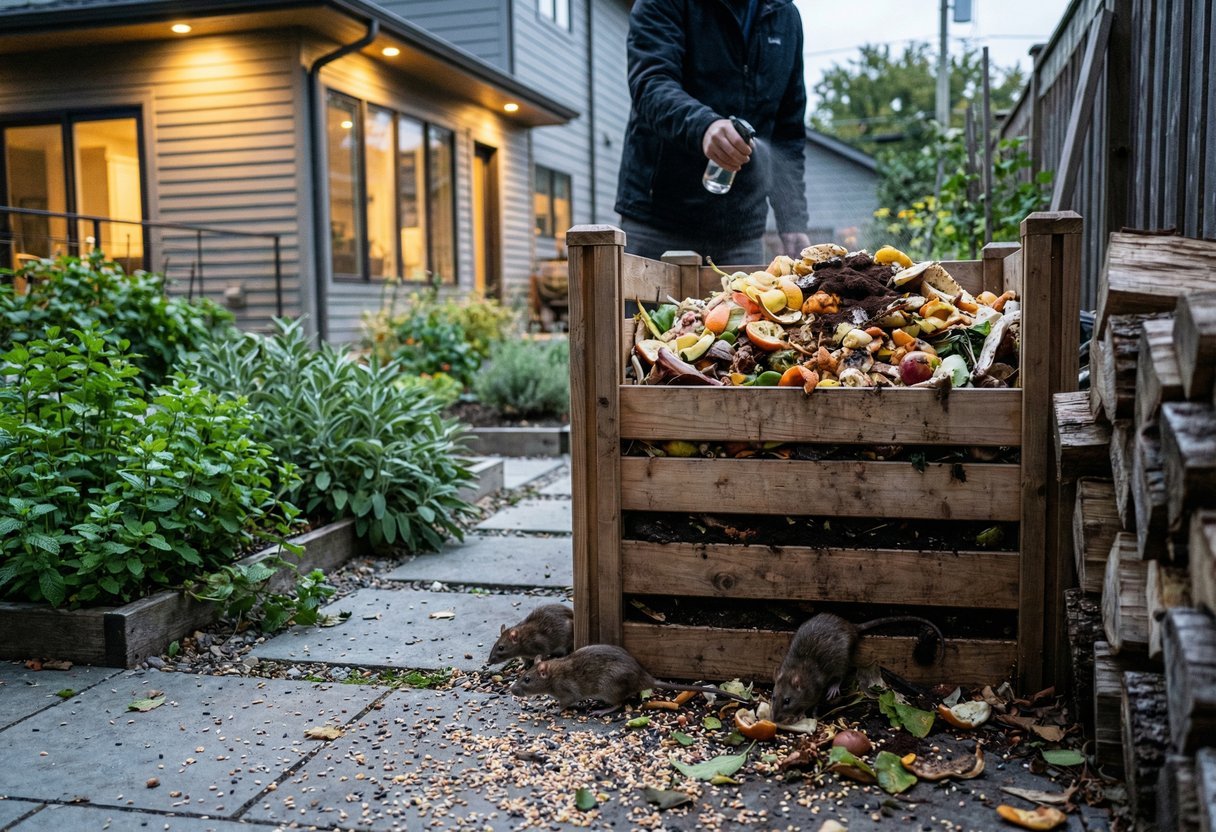
After dusk, the soft rustle near an overfull compost bin gives the game away. Reports of rats turning up in Dutch backyards are rising, from canal-lined streets to quiet villages. The draw is rarely random. The biggest magnet is often an open compost heap rich in food scraps, layered with warmth and cover; add loose wood piles or spilled birdseed, and you’ve set a table with a roof. So what quiet invitation have you missed?
- Unable to find buyer, they offer their 1,400-square-foot apartment in a 10-dollars raffle
Unable to find buyer, they offer their 1,400-square-foot apartment in a 10-dollars raffle
- Don’t cut down your dead trees, they’re essential for the survival of many bird species
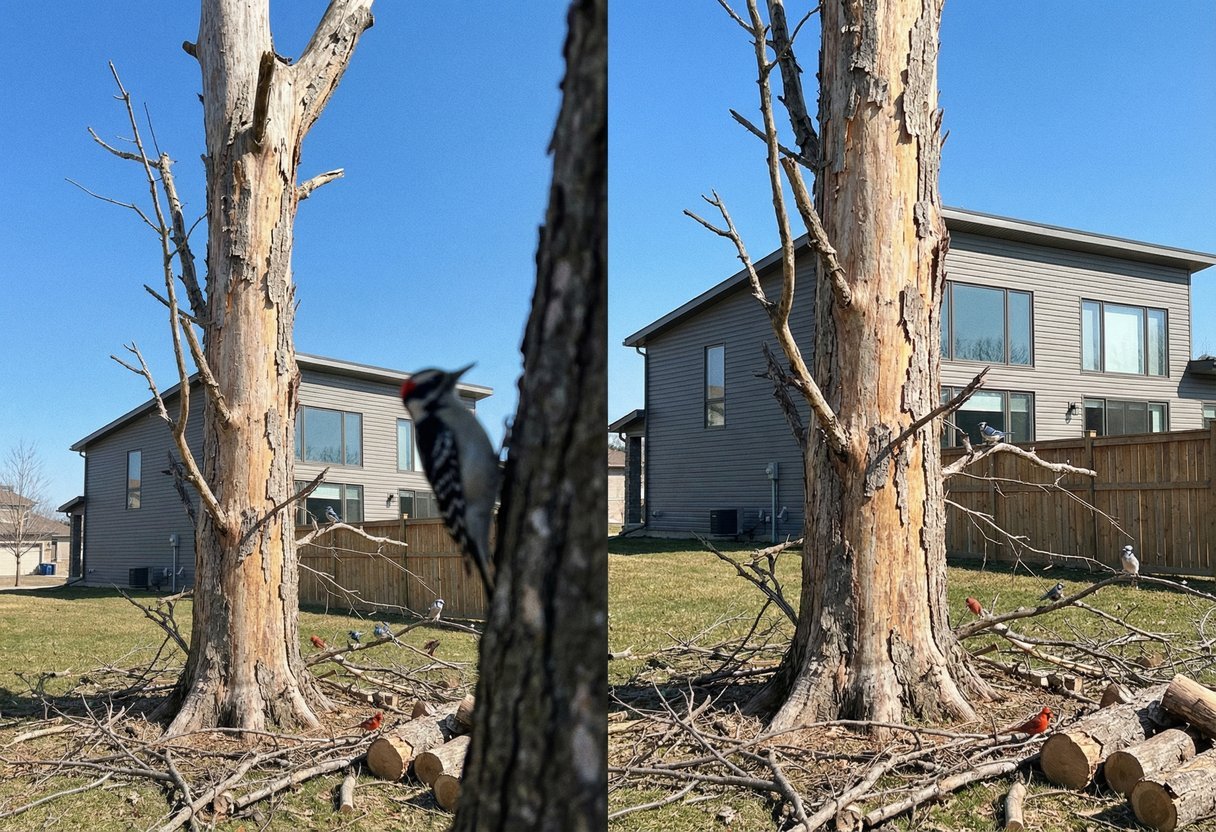
Don’t cut down your dead trees, they’re essential for the survival of many bird species
Natural solutions for rat trouble
You don’t need poisons to make your yard less welcoming. Strong-scented plants—mint, sage, bay, and citronella—bother a rat’s refined nose and can frame beds or vegetable plots as living deterrents. Boost the effect with a simple spray: mix water with a few drops of peppermint essential oil and mist along runs, compost edges, and shed bases; reapply after rain. You can also tuck cotton pads dabbed with peppermint into suspected entry points, replacing them as the scent fades.
A healthier garden starts with upkeep
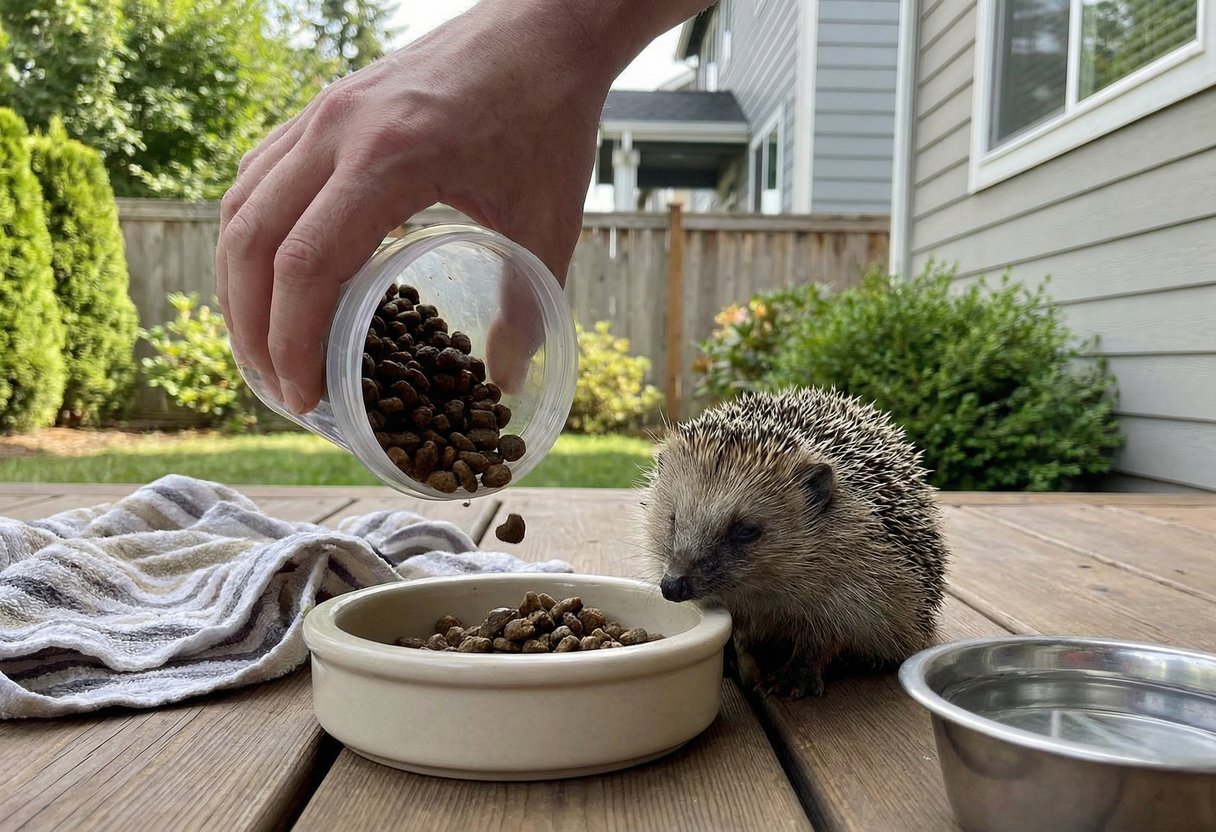
Prevention begins with tidiness. Store firewood off the ground, trim dense groundcover, and break up brush piles that double as shelter. Lock trash and food waste in lidded, chew-resistant containers, and move pet feeding to daytime with no leftovers outside. If you compost, use a sealed, rodent-proof bin and avoid meat, cooked food, and oily scraps; turning the heap regularly reduces cozy nesting pockets.
Diversity helps the rest of the work. A lively garden gives space to natural predators—cats patrol, owls hunt at night, and stone martens roam in some regions. Offer height and vantage points, such as sturdy perches or an owl box where regulations allow, and keep outdoor lighting modest so nocturnal hunters can do their jobs. Fewer hiding places plus more pressure from predators shifts the balance quickly.
- For just €7, this IKEA sensor instantly alerts you when a door or window is opened
For just €7, this IKEA sensor instantly alerts you when a door or window is opened
- I thought my orchid was doomed until this trick revived its bloom in 24 hours
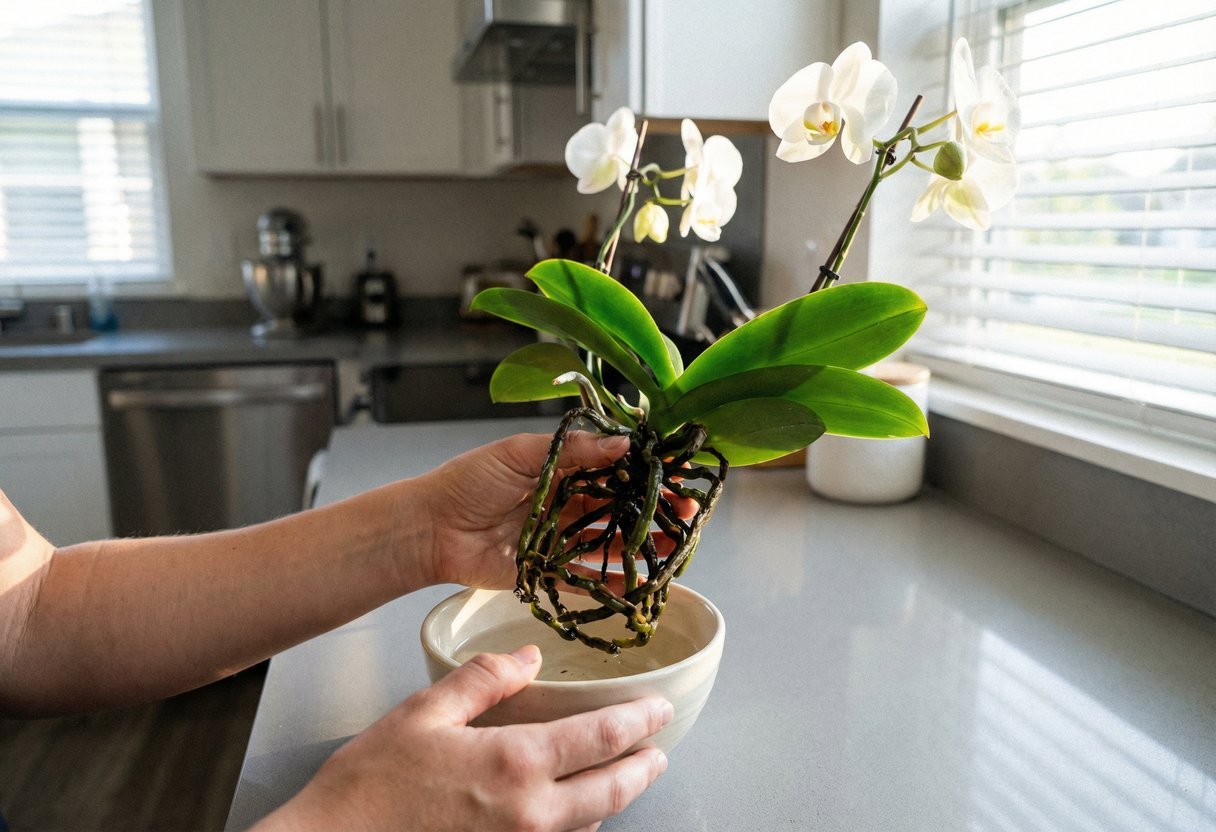
I thought my orchid was doomed until this trick revived its bloom in 24 hours
The risks of nests in your yard
Rats are more than a nuisance. Their droppings can carry pathogens such as leptospirosis, posing risks to you and your pets, especially around water and muddy soil. They also chew relentlessly, damaging irrigation lines and electrical cables; gnaw marks and fine shavings near sheds or garages are early warnings. Indoors, that behavior can escalate to appliance failure or even shorts.
Learn the signs before numbers climb. Look for fresh burrows with smooth rims, greasy rub marks along low walls, and capsule-shaped droppings clustered like pepper. If activity persists after cleanup and scent barriers, call a licensed pest professional and coordinate with neighbors—rat control works best block by block. The sooner you close the buffet and the hideouts, the faster the night rustles fade.