
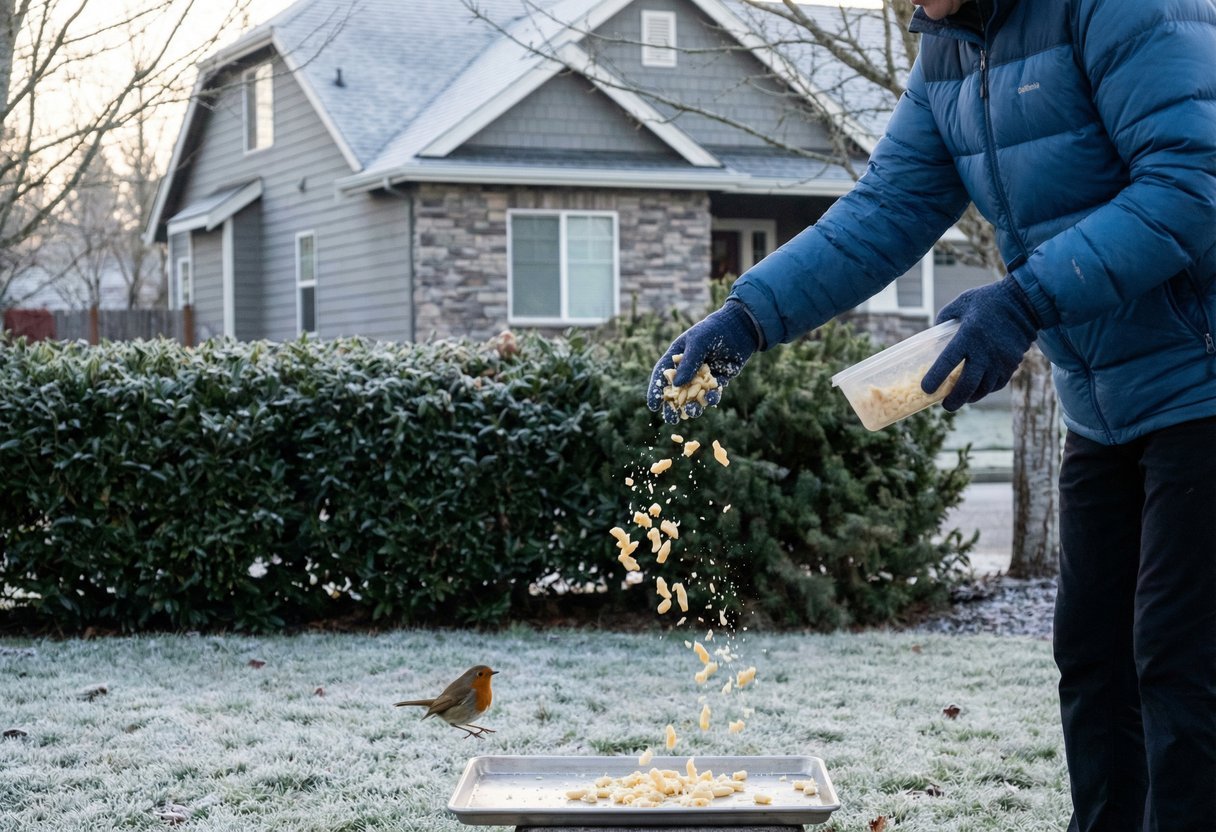
Winter strips gardens of the invertebrates robins rely on, and the smallest birds feel the pinch first. With the right leftovers and some care, a doorstep can become a lifeline, yet the line between help and harm is thin. From the RSPCA and the LPO to Garden Wildlife Health, experts stress clean, safe feeding and access to unfrozen water, while data from Kent Wildlife Trust underline what is at stake for young birds. The rewards are practical and personal, turning a cold season into a quiet pact between feathered neighbors and the people who share their streets.
The winter challenge for robins
A frost-stiff lawn, a quick orange flash at the hedge, and a robin drops to the ground, listening for life below. In winter, that life retreats. Insects and other invertebrates become hard to reach when the soil locks up, and energy demands climb as nights bite. Wildlife groups note that first-year robins face steep odds, with mortality estimated near 70 percent during harsh spells.
- Unable to find buyer, they offer their 1,400-square-foot apartment in a 10-dollars raffle
Unable to find buyer, they offer their 1,400-square-foot apartment in a 10-dollars raffle
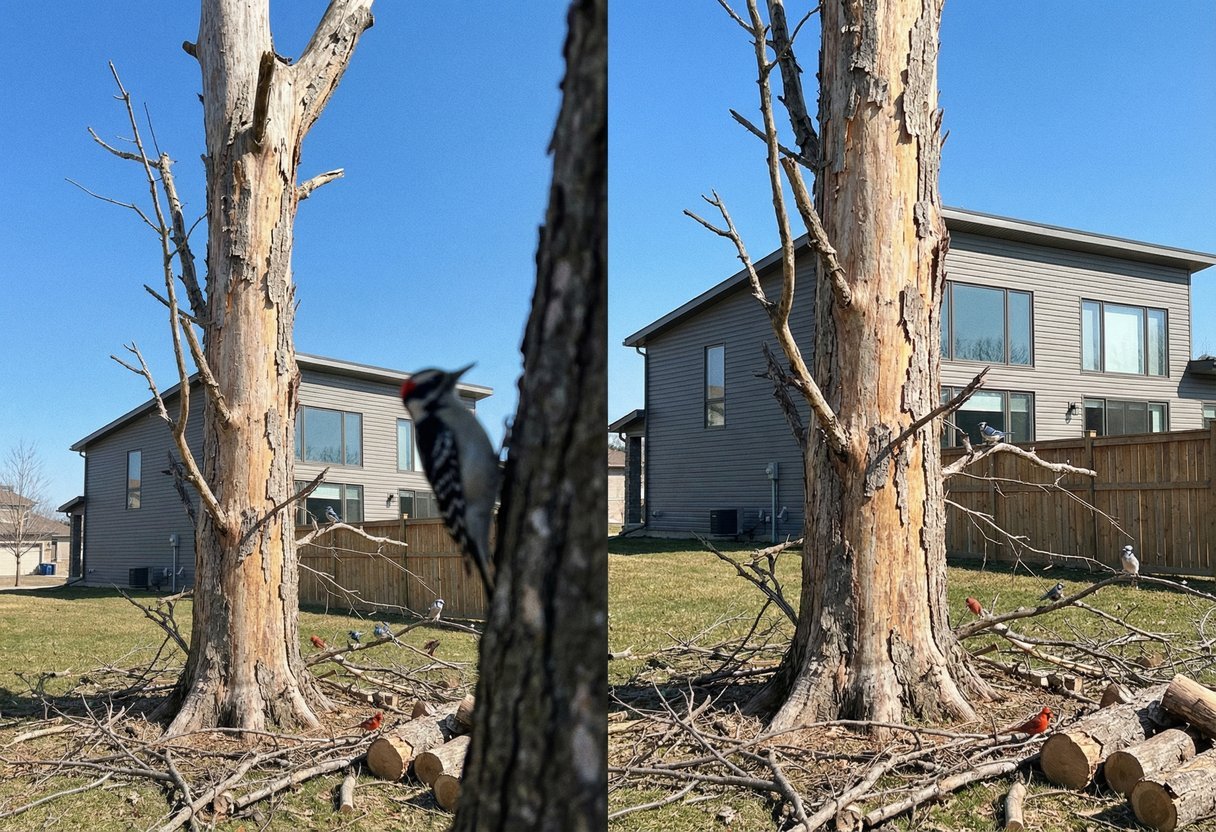
- Don’t cut down your dead trees, they’re essential for the survival of many bird species
Don’t cut down your dead trees, they’re essential for the survival of many bird species
Safe feeding: dos and don’ts
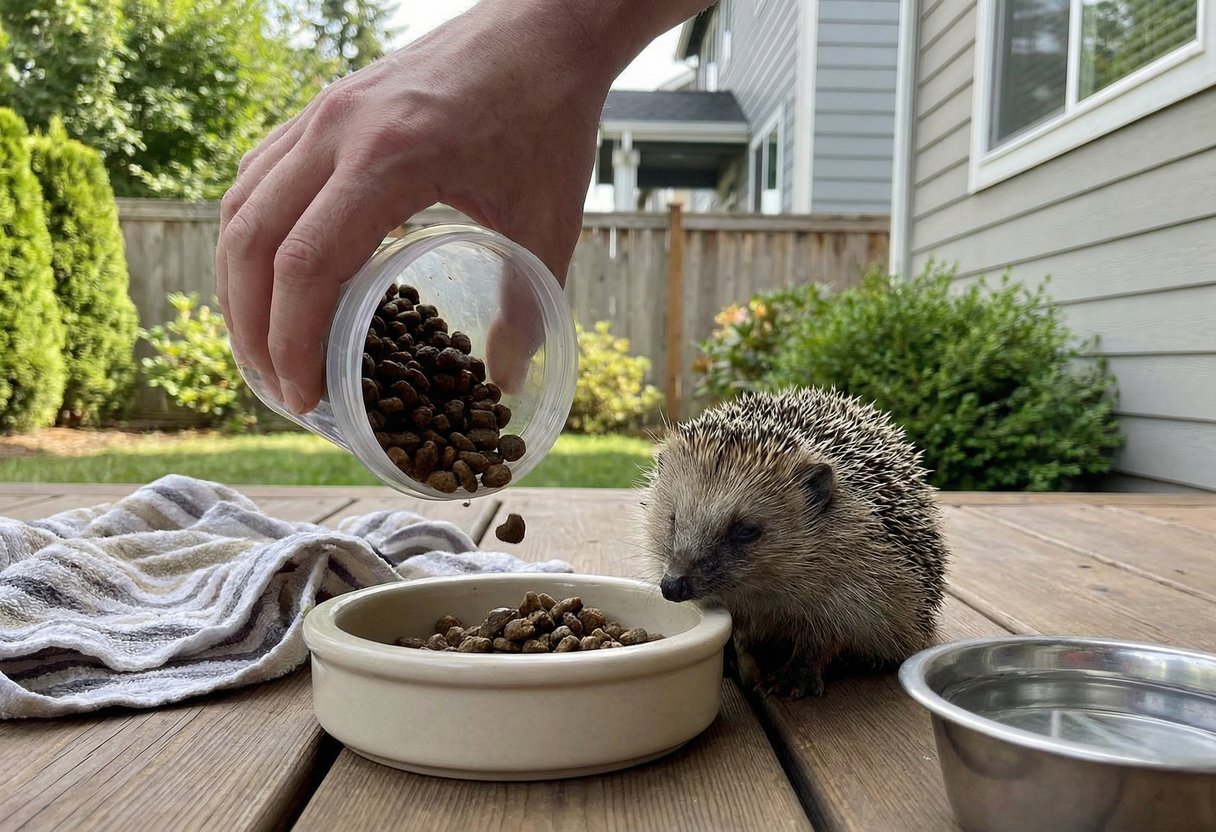
It’s tempting to share leftovers, but caution beats generosity. Skip anything salty, spiced, or greasy, from chips to meat in sauce. So what actually belongs on the plate? Think cooked, unsalted pasta or rice, plain mashed potato, tiny shavings of mild hard cheese, or a little unsalted bacon rind cut very fine. The rule is simple: No salt, no sauce, small pieces.
Hygiene matters as much as the menu. Clean surfaces daily, rotate feeding spots, and remove uneaten food before it molds, a set of practices echoed by Garden Wildlife Health. A tidy station lowers disease risk when birds cluster at scarce resources.
Create a safe winter haven
Food is only half the fix; cover is the rest. Place trays near dense shrubs or a hedge so robins can dart back at the first hint of a hawk or cat. The RSPCA encourages consistency: modest portions at regular times help birds balance their energy when every calorie has a job to do.
Water: the cold-weather lifeline
Frozen mornings hide a quiet shortage: clean water. Set out a shallow dish in a sheltered spot and refresh it daily, replacing ice as needed. A small floating ball can help keep a gap open on frigid days. Avoid chemicals and de-icers; fresh, plain water is the safest offer for a bird already working on a tight margin.
- For just €7, this IKEA sensor instantly alerts you when a door or window is opened
For just €7, this IKEA sensor instantly alerts you when a door or window is opened
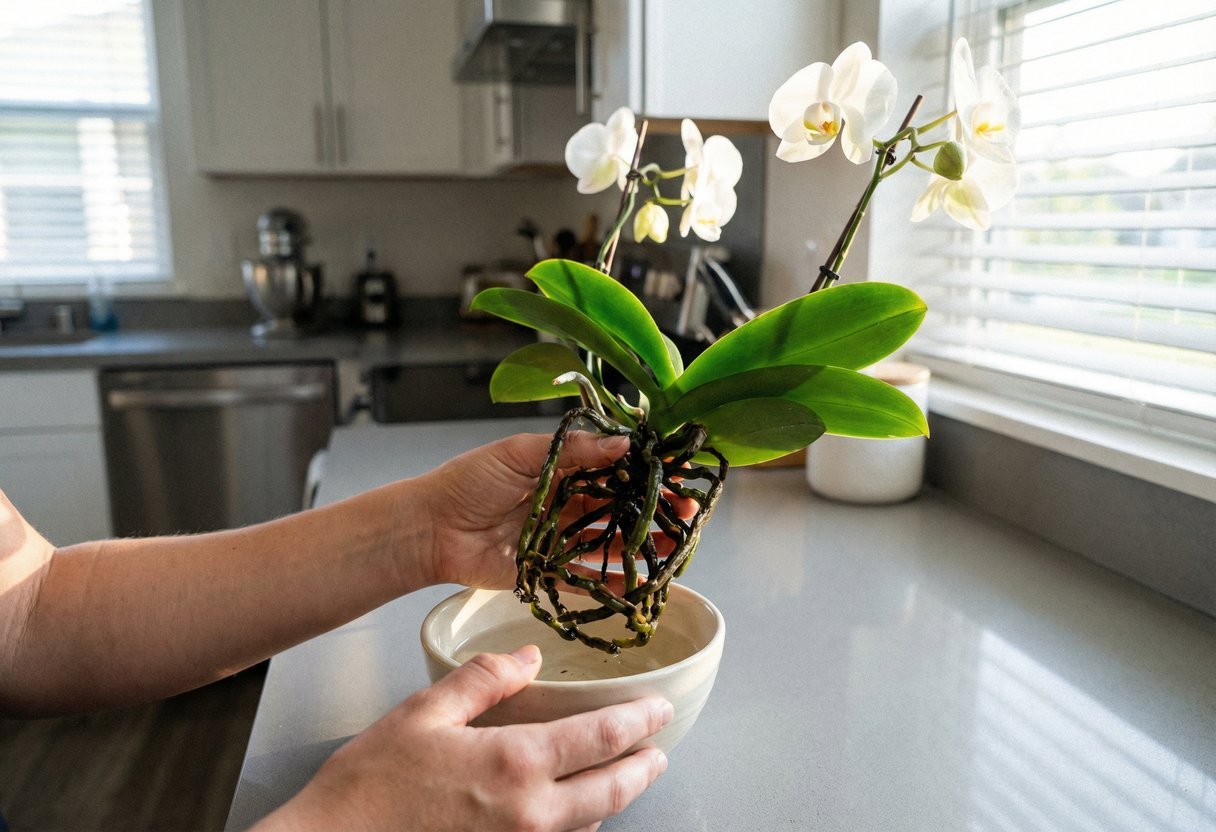
- I thought my orchid was doomed until this trick revived its bloom in 24 hours
I thought my orchid was doomed until this trick revived its bloom in 24 hours
Why small efforts matter
Helping robins is practical, not sentimental. A handful of kitchen staples, delivered safely and predictably, can carry a young bird through a bad week and into spring. And there’s the quiet reward for you: a steady visitor at the hedge, bolder with each dawn, proof that careful help travels far in cold weather.