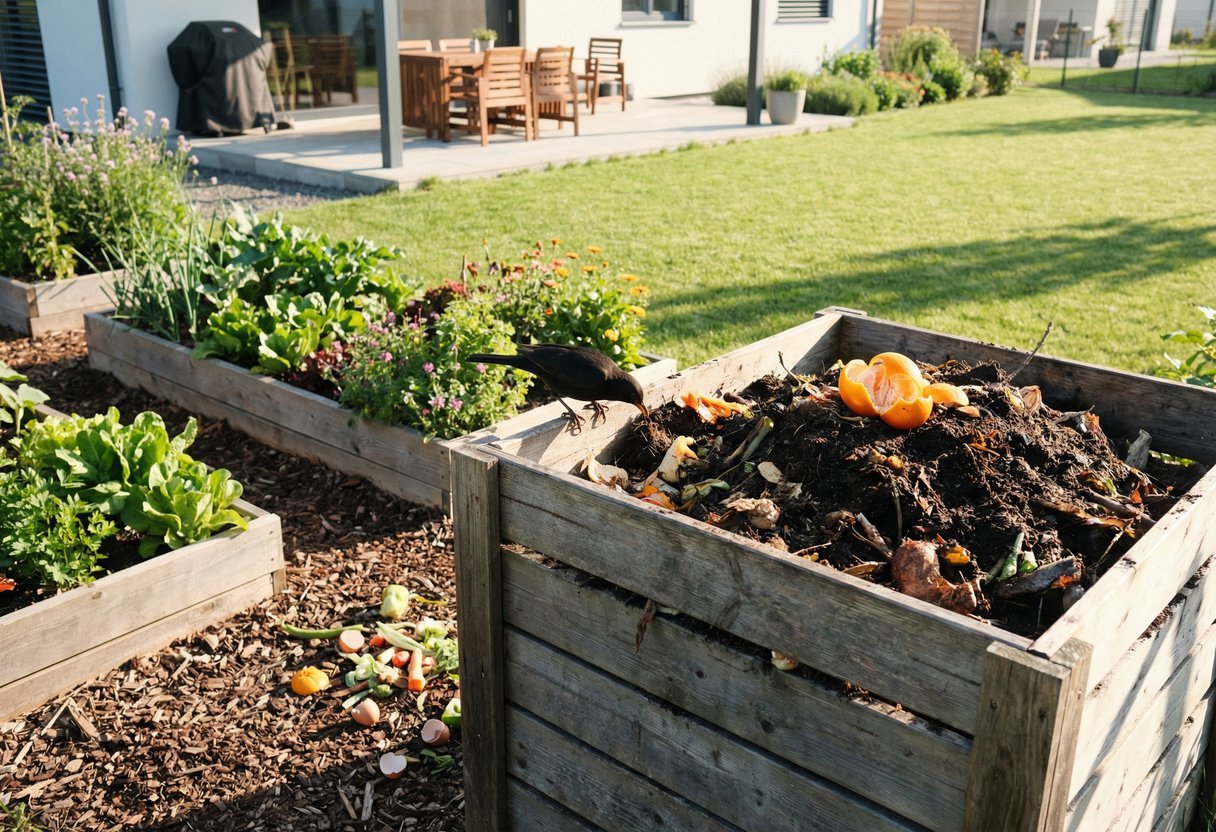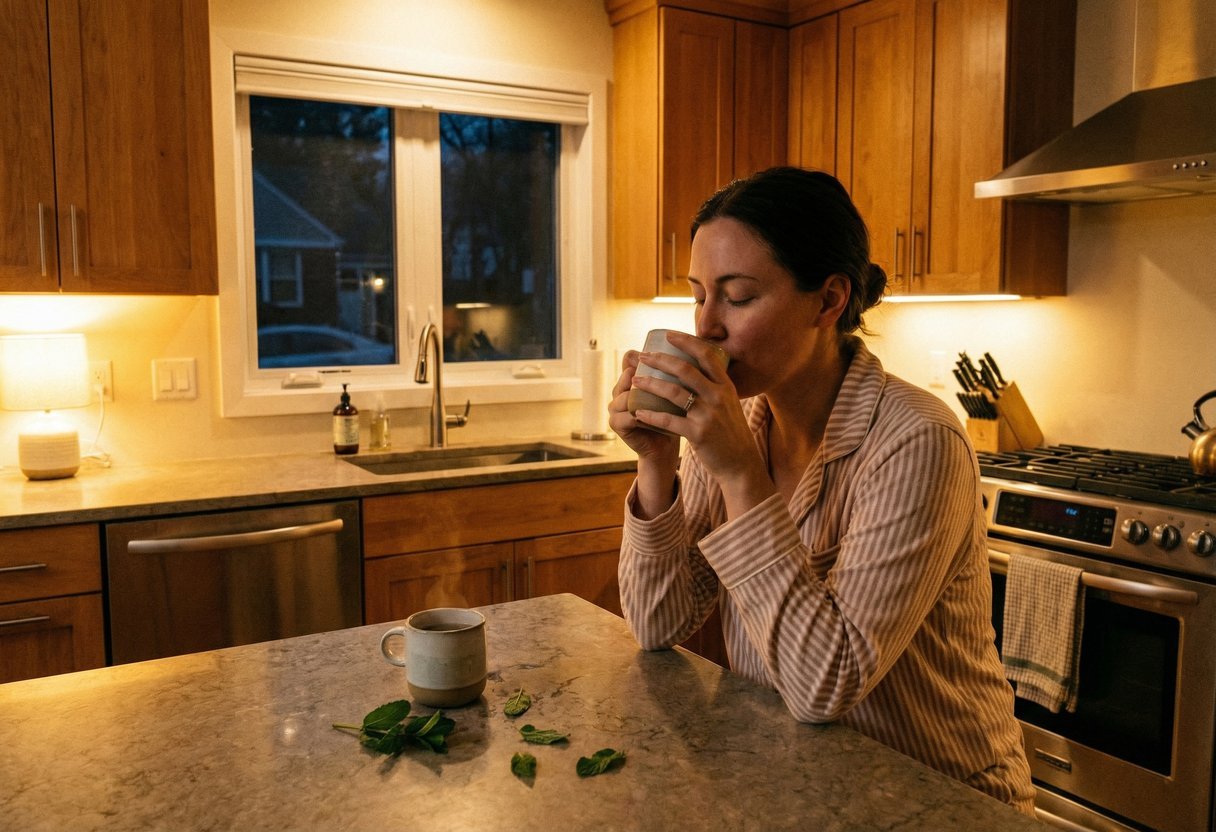

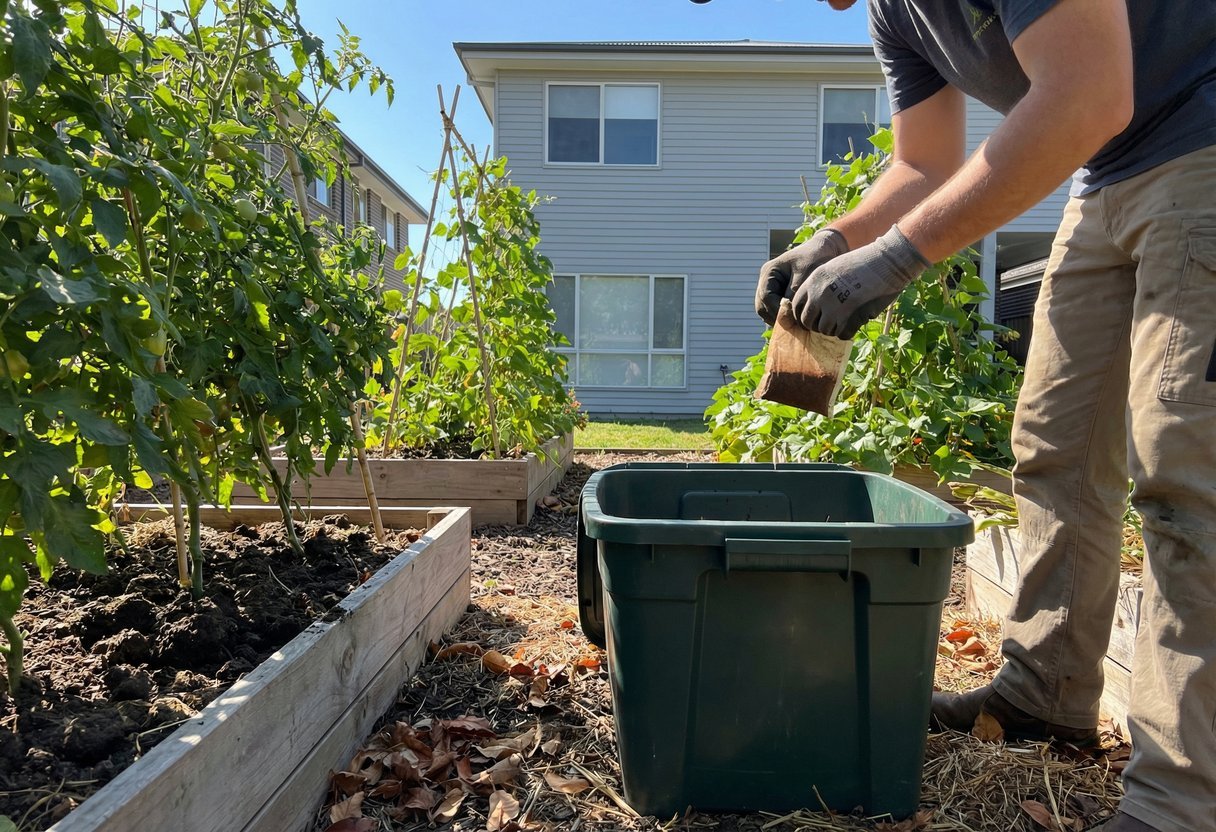
Since 2024, sorting kitchen scraps has become routine, and many gardeners drop used tea bags into the compost as a harmless habit. That small act can carry a bigger problem, with hidden residues that do not break down like leaves or peelings. With concern over microplastics rising, tea making is drawing unexpected scrutiny in the garden. What looks like a tidy shortcut can leave a mess where it matters most: the vegetable patch.
The new rules and an invisible problem
Since 2024, separating biowaste is mandatory across the Netherlands, and kitchen caddies are filling up fast with peels, grounds, and used tea. That last item feels harmless, even wholesome. But many tea bags smuggle plastic into compost, where it lingers long after the leaves decompose. Do you really want shreds of synthetic fibers ending up in your raised beds next spring?
- Unable to find buyer, they offer their 1,400-square-foot apartment in a 10-dollars raffle
Unable to find buyer, they offer their 1,400-square-foot apartment in a 10-dollars raffle
- Don’t cut down your dead trees, they’re essential for the survival of many bird species
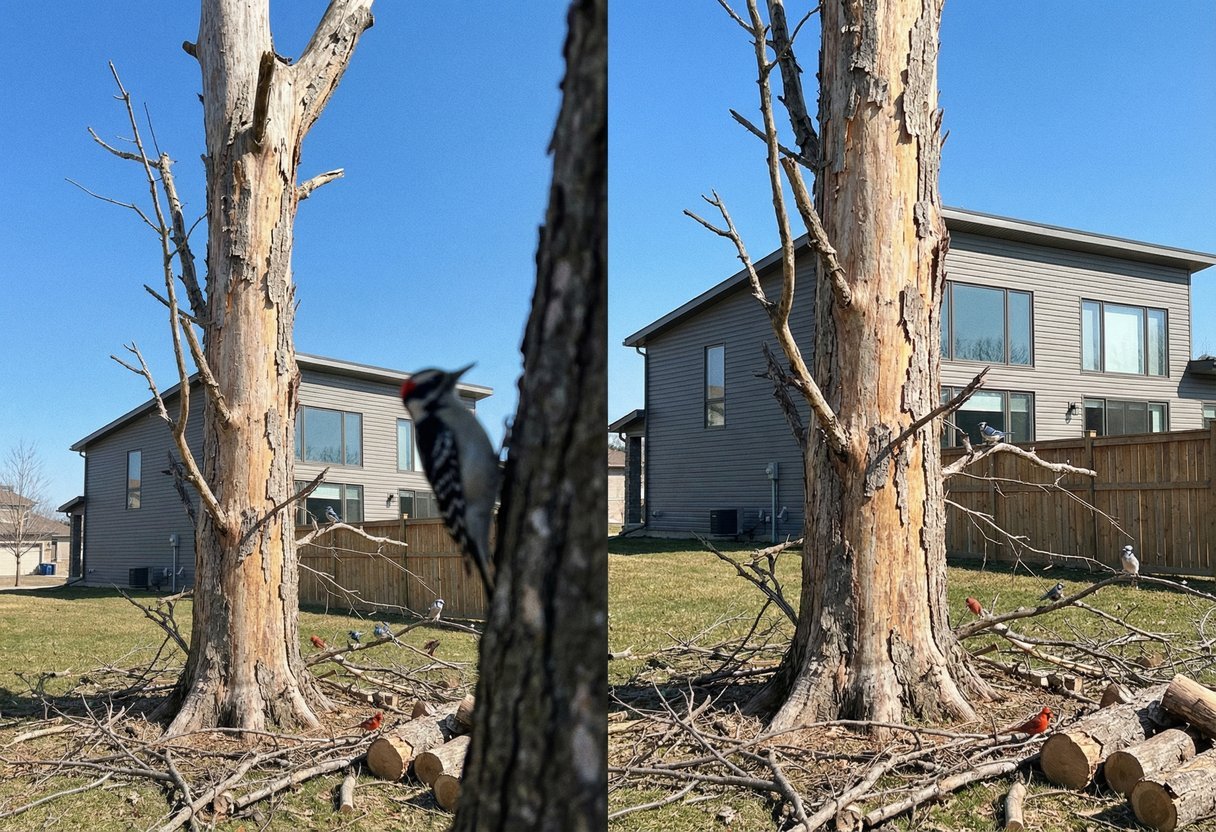
Don’t cut down your dead trees, they’re essential for the survival of many bird species
What really sits inside a tea bag
Most bags that look like paper are bonded with polypropylene or made with PLA, a plant‑based plastic. PLA sounds greener, but it typically breaks down only in industrial facilities, not in a cool backyard heap. The result is a slow leak of microplastics into compost and, ultimately, soil. Even major brands such as Yorkshire Tea have acknowledged the issue and shifted materials while cautioning that “plant‑based” does not equal plastic‑free.
Practical tips for eco‑minded tea drinkers
Gardener Simon Akeroyd advises a simple workaround: open the bag, compost the leaves, bin the empty wrapper. Dried tea leaves can be sprinkled as a light mulch; they add nitrogen and feed soil life without the baggage of synthetics. Better still, brew loose tea and skip the bag entirely. Christopher O’Donoghue of Gardens Revived suggests checking for credible “home compostable” labels, noting that “industrially compostable” items rarely break down in a household bin.
The impact of plastic on our soil
Microplastics and chemical additives alter soil structure, hinder water movement, and can stress beneficial microbes. That can translate into weaker growth and reduced resilience in vegetables and ornamentals. WRAP, the U.K. nonprofit focused on waste reduction, has flagged long‑term risks from small, persistent contaminants that accumulate with everyday habits.
- For just €7, this IKEA sensor instantly alerts you when a door or window is opened
For just €7, this IKEA sensor instantly alerts you when a door or window is opened
- I thought my orchid was doomed until this trick revived its bloom in 24 hours
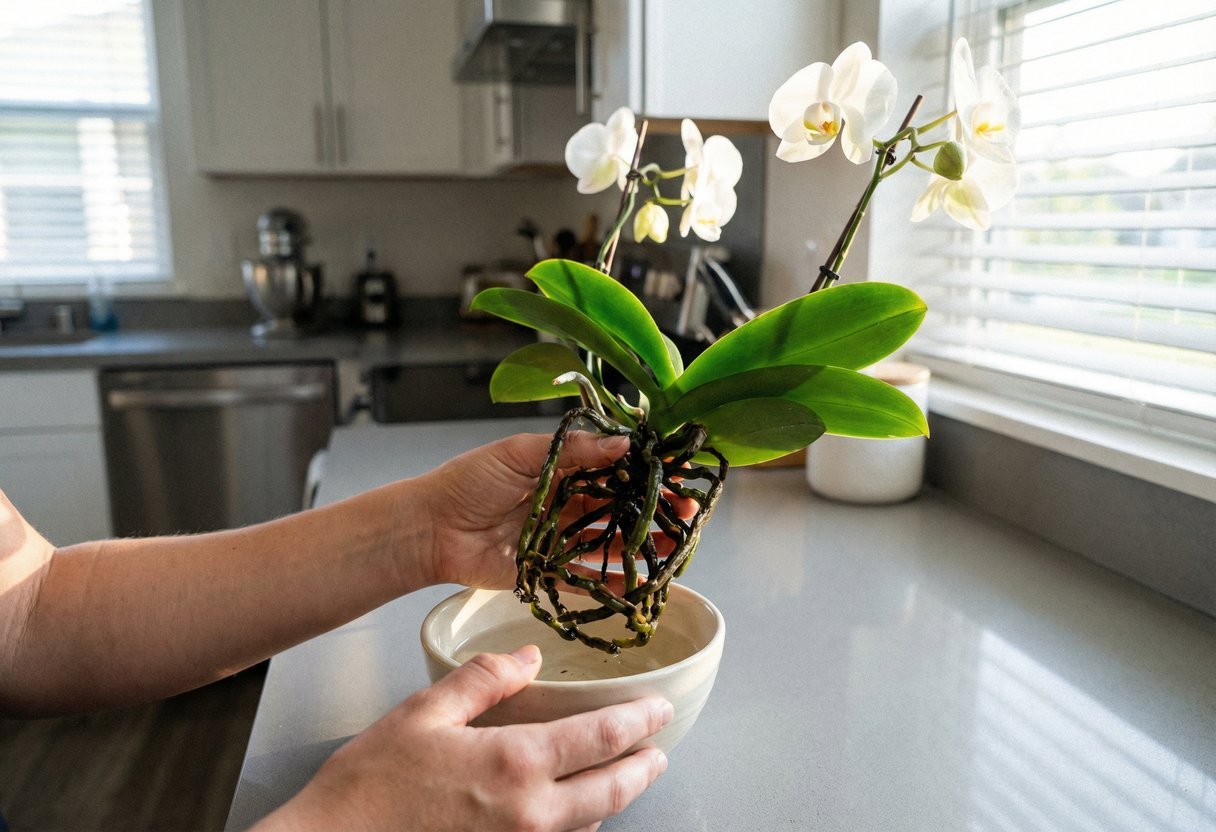
I thought my orchid was doomed until this trick revived its bloom in 24 hours
Protect your garden and yourself
Every gardener wants living soil that rewards careful tending. Avoiding tea bags with hidden polymers is 1 easy step toward that goal. Choose loose leaves or certified home‑compostable bags made from natural fibers, and keep plastics out of the compost stream so your beds stay clean, productive, and ready for the next harvest.