
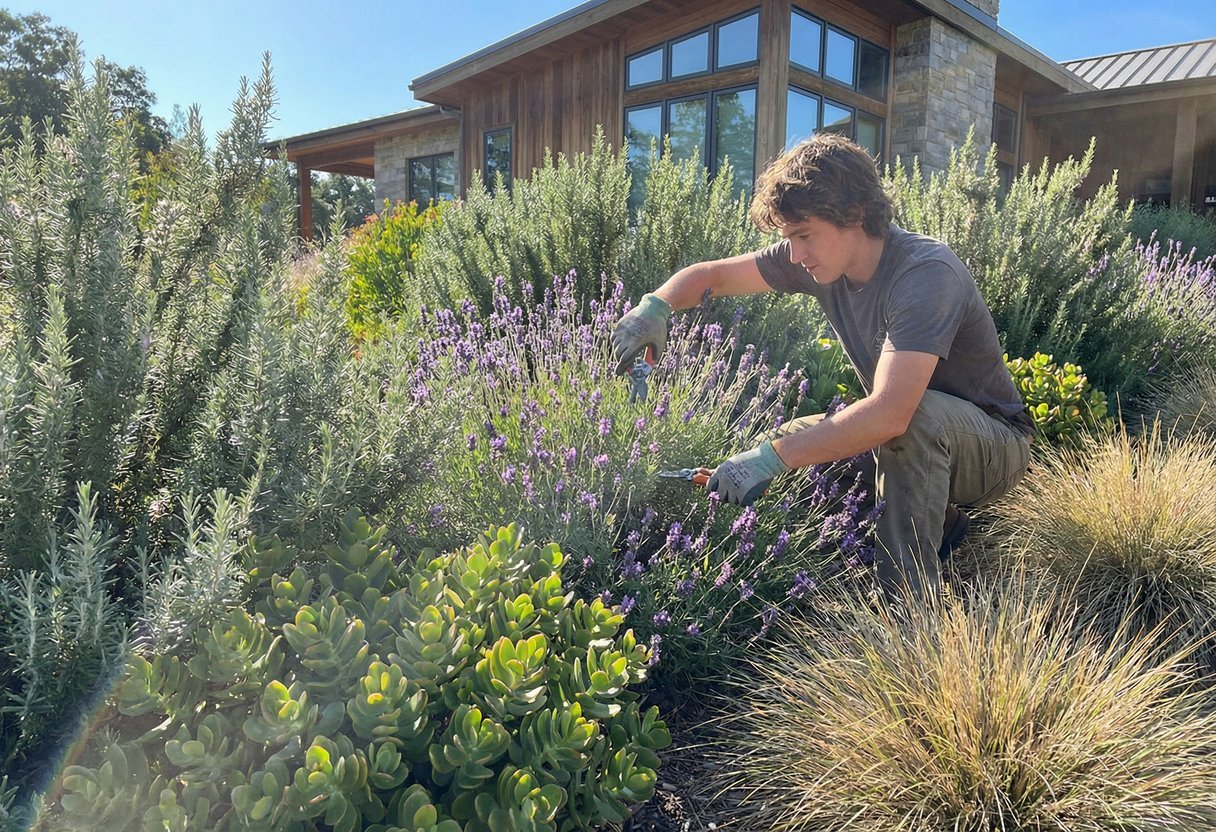
Heatwaves are now the baseline for anyone tending a patch of green, resilience beats constant rescue. The brief is simple: pick drought tolerant species, water only when it counts, keep maintenance light without losing charm. Backed by practical advice from gardening expert Patrick Martin, homeowners can trim their water bills and their to do lists while keeping outdoor spaces appealing. It is about working with the climate, not fighting it.
Why heat‑resilient plants are a smart choice
By late July, hosepipe bans and brittle lawns feel familiar across much of Europe. Heat waves last longer, nights stay warm, and thirsty ornamentals wilt first. Utilities urge restraint as reservoirs drop; you notice it on your water bill. Why keep fighting a losing battle with high‑maintenance borders?
- Unable to find buyer, they offer their 1,400-square-foot apartment in a 10-dollars raffle
Unable to find buyer, they offer their 1,400-square-foot apartment in a 10-dollars raffle
- Don’t cut down your dead trees, they’re essential for the survival of many bird species
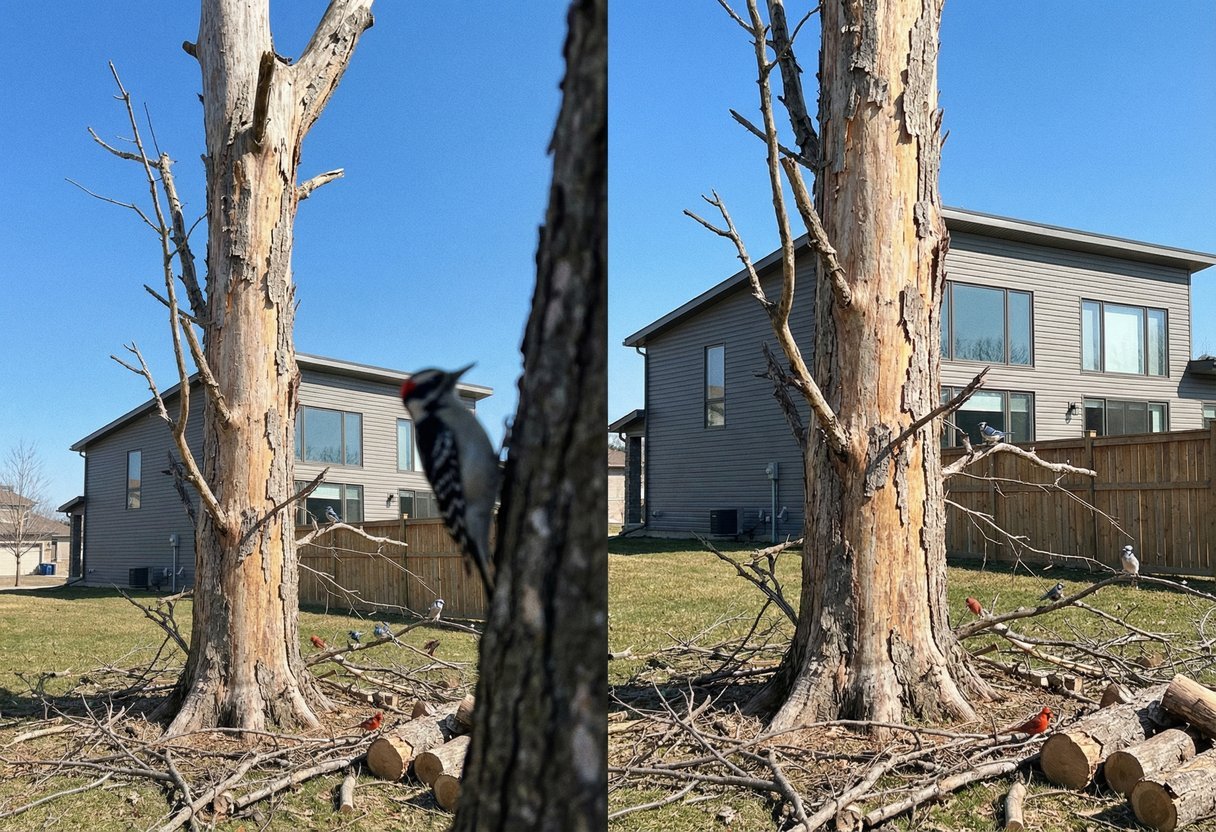
Don’t cut down your dead trees, they’re essential for the survival of many bird species
Heat‑resilient, water‑wise plants offer a practical reset. They keep structure and color through dry spells, need fewer emergency fixes, and trim irrigation time. Once established, these species tolerate gaps between waterings, which means less stress for you and a yard that looks composed even after 3 rainless weeks.
Patrick Martin: a garden as a sustainable ecosystem
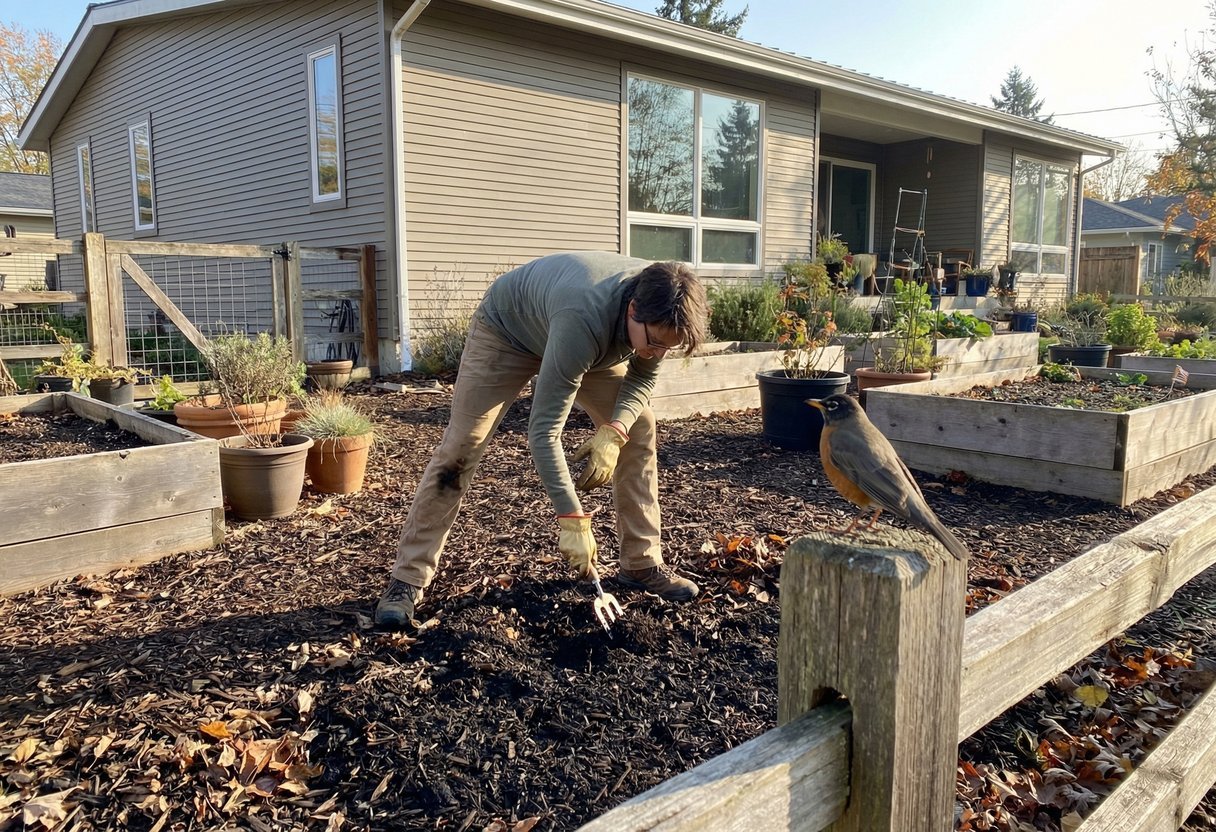
Patrick Martin, a California land steward at Frantoio Grove, treats the yard as part of the home’s living system. Work with the site, not against it: match plants to sun, wind, and lean soils instead of nursing mismatches. His go‑to quartet—lavender, rosemary, sedum, and ornamental grasses—roots in 1 season, then asks for modest pruning and rare watering. The result is lower irrigation, steadier texture through summer, and fewer pest issues driven by stressed plants.
The 4 standouts for your yard
Four species handle heat, save water, and keep the look sharp. Give them drainage and full sun for best results.
- Lavender: Mediterranean by nature, it thrives in poor, well‑drained soils and relentless sun. After the first year, water only during prolonged drought; a light trim post‑bloom keeps it compact.
- Rosemary: Woody, fragrant, and evergreen, it tolerates rocky soils and wind. Clip lightly 1–2 times a year to hold shape and encourage fresh growth.
- Sedum: Fleshy leaves store water, powering blooms when beds turn crisp. It blankets soil, suppresses weeds, and excels in borders, rockeries, or cracks along a warm wall.
- Ornamental grasses: Airy plumes add height, motion, and winter silhouette. Cut back in late winter; once established, they accept minimal watering and still deliver presence.
- For just €7, this IKEA sensor instantly alerts you when a door or window is opened
For just €7, this IKEA sensor instantly alerts you when a door or window is opened
- I thought my orchid was doomed until this trick revived its bloom in 24 hours
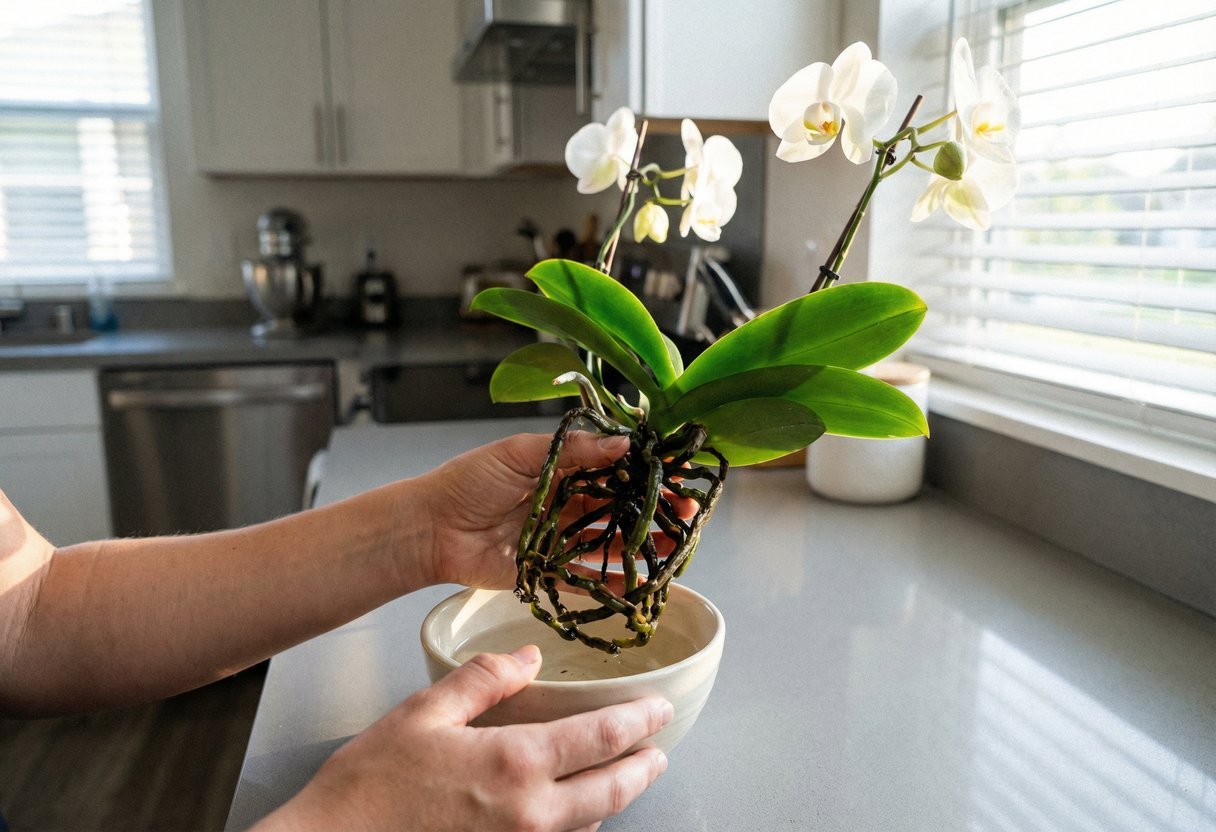
I thought my orchid was doomed until this trick revived its bloom in 24 hours
Smart watering and upkeep
Plants are only half the story; upkeep sets the rhythm. Lay 2–3 inches (5–7 centimeters) of paillage—shredded leaves, compost, or gravel—on pre‑watered soil to curb evaporation and buffer heat. Water deeply but infrequently, using a soaker hose early morning or evening; many gardeners cut cycles by up to 50 percent with this routine. Always probe the soil first: if it’s moist 2 inches down, skip the session and let roots chase depth. Maintain open spacing for airflow, and refresh mulch each spring to sustain the savings without dulling the display.