
Many of us treat the fridge as a catchall, yet for a surprising share of everyday staples the cold is a downgrade, not a safeguard. Chilling can mute aroma, warp texture, and even shorten the life of certain produce and pantry goods. The reasons are chemical, enzymatic and structural, as food scientists and storage experts note, and they explain why some items fare best outside the chill. Knowing which foods prefer room temperature and how to store them well can save money, cut waste, and keep flavors vibrant.
Why your fridge isn’t always the answer
Open your fridge and you’ll probably find onions tucked beside ketchup and a loaf of bread. That tidy habit feels safe, but it can backfire. Cold air pulls moisture from delicate foods, mutes aromas, and warps ripening. So why does the fridge sometimes work against you?
- Unable to find buyer, they offer their 1,400-square-foot apartment in a 10-dollars raffle
Unable to find buyer, they offer their 1,400-square-foot apartment in a 10-dollars raffle
- Don’t cut down your dead trees, they’re essential for the survival of many bird species
Don’t cut down your dead trees, they’re essential for the survival of many bird species
The science behind food and cold
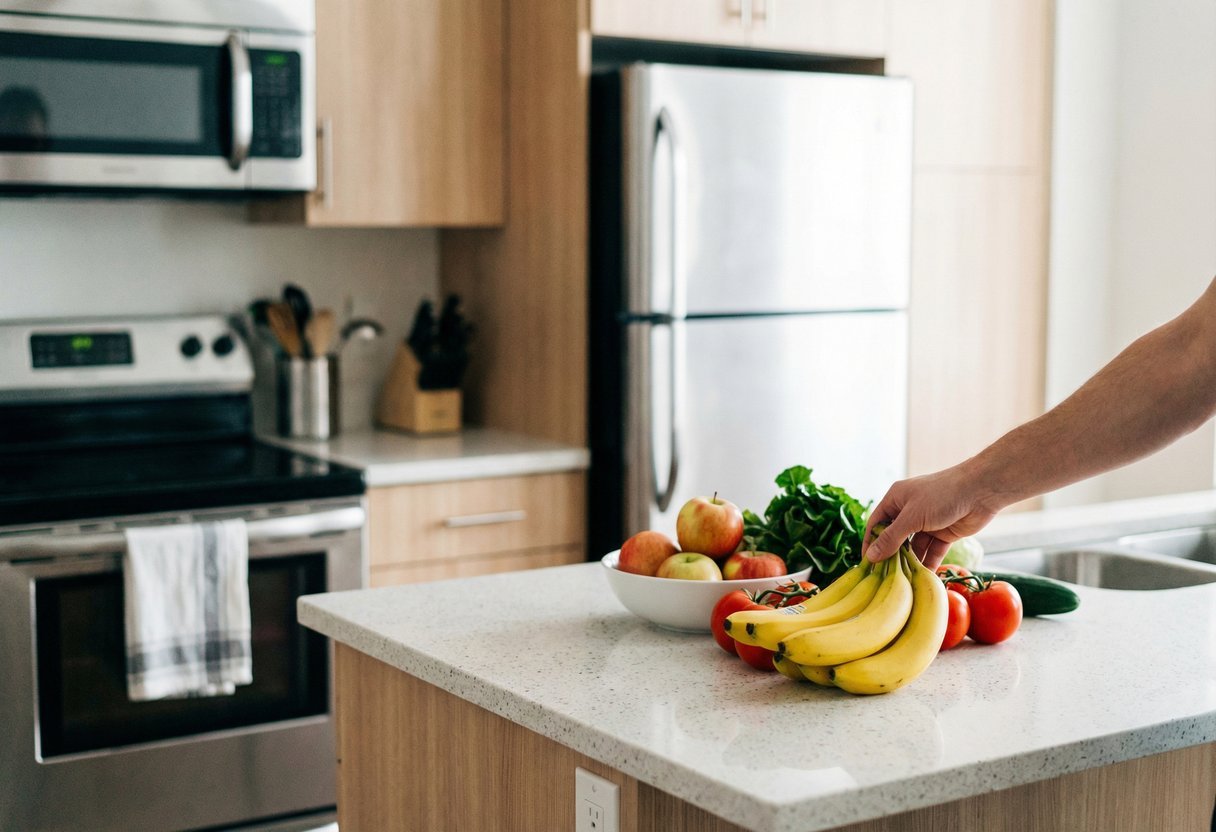
Tomatoes depend on enzymes to ripen and build flavor; chill them and those enzymes slow, leaving flat, mealy fruit. Bananas are tropical and cold-sensitive, so refrigeration disrupts cell membranes and speeds browning. Potatoes convert starch to sugar at low temperatures, causing off flavors and overly dark frying. Onions absorb humidity in the fridge, turning soft and mold-prone while spreading odors to nearby foods.
What doesn’t belong in the fridge?
- Fruit: bananas, avocados, citrus, and apples prefer room temperature.
- Vegetables: tomatoes, onions, and potatoes do best in a dark, airy spot outside the fridge.
- Condiments: hot sauces, honey, and peanut butter keep flavor and texture better in the pantry.
These staples thrive in a cool, dry cupboard away from sunlight. Keep onions and potatoes separated to slow sprouting and softening. Use breathable bags or a basket to prevent trapped humidity that speeds decay.
Common storage mistakes
Bread stales faster in the fridge because cold accelerates starch retrogradation; keep it in a bread box or cloth and slice as needed. Chocolate forms a whitish “bloom” when chilled and rewarmed, a harmless but flavor-dulling film caused by moisture and fat migration. Butter can sit covered at room temperature for 2 to 3 days without issue; refrigeration hardens it and makes spreading a chore. Coffee doesn’t belong in the fridge either, where humidity blunts aroma and beans soak up stray smells.
- For just €7, this IKEA sensor instantly alerts you when a door or window is opened
For just €7, this IKEA sensor instantly alerts you when a door or window is opened
- I thought my orchid was doomed until this trick revived its bloom in 24 hours
I thought my orchid was doomed until this trick revived its bloom in 24 hours
Preserve with care
Small shifts keep more flavor on your plate and less waste in your bin. Let tomatoes ripen on the counter and slice just before serving for peak fragrance. Park bananas on a fruit bowl, and store potatoes in a paper bag in a cool cupboard. With a few habit tweaks, you’ll taste brighter sauces, sweeter fruit, and bread that stays tender longer.