
At first light, beds can look defeated, leaves sagging and stems gone soft after a sharp night frost. The scene feels final, yet many plants are only in shock. What you do next, and what you avoid, can decide whether a shrub or perennial rallies by spring. The key is to read the early signs with a cool head and match them with the right immediate care.
How to spot frost damage
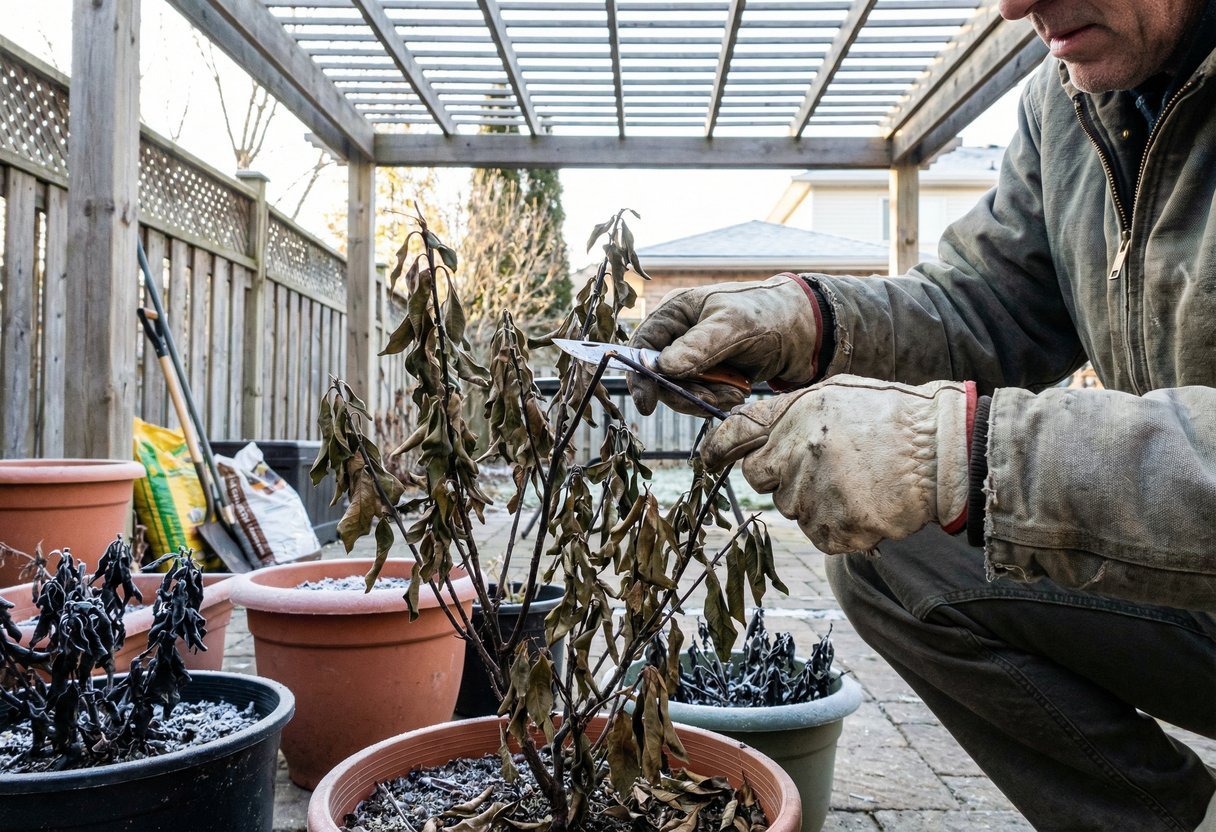
At daybreak, pots glisten and leaves hang like wet cloth. Stems look limp, color drains from the canopy, and the plant you fussed over yesterday seems gone overnight. Is it doomed, or can it rebound?
- Unable to find buyer, they offer their 1,400-square-foot apartment in a 10-dollars raffle
Unable to find buyer, they offer their 1,400-square-foot apartment in a 10-dollars raffle
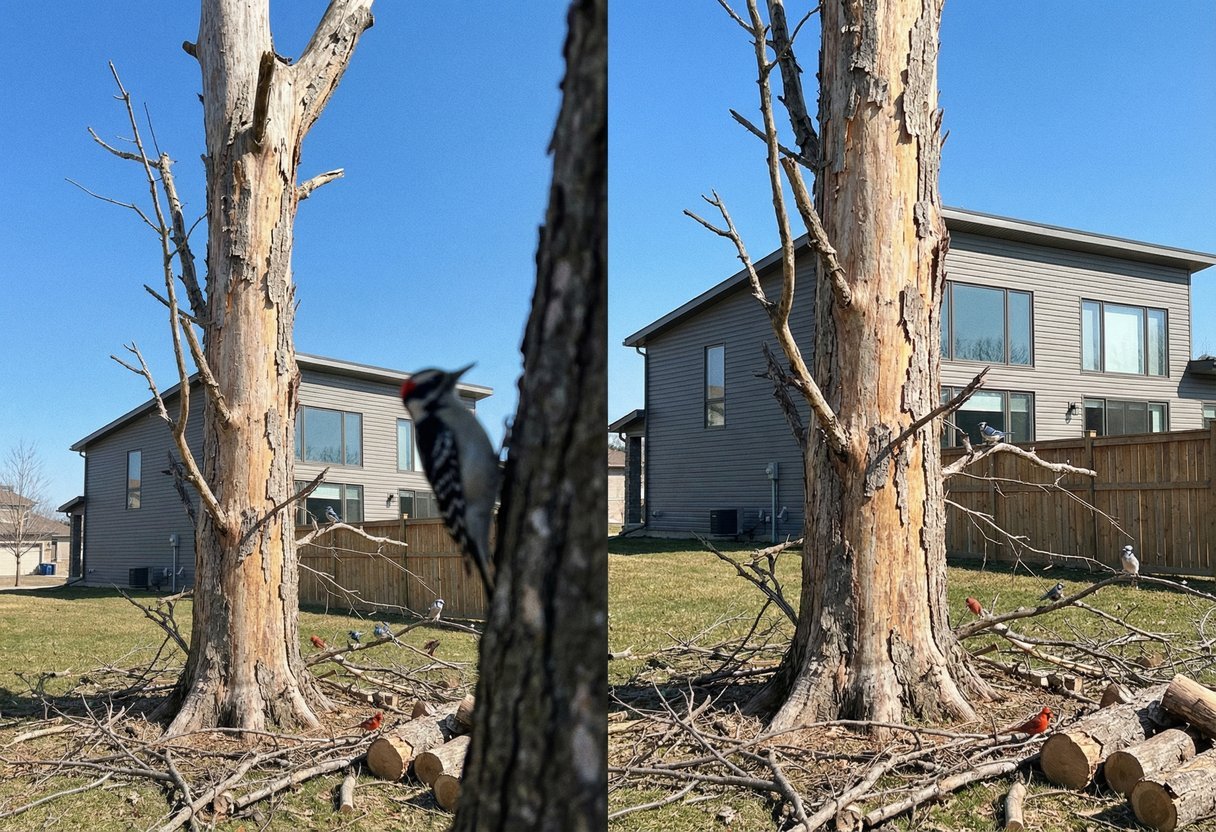
- Don’t cut down your dead trees, they’re essential for the survival of many bird species
Don’t cut down your dead trees, they’re essential for the survival of many bird species
Start with a calm, close look. Drooping leaves and browned stems indicate stress, not a verdict. Try the scratch test: gently scrape a twig; if the tissue beneath is green and moist, life remains. With potted plants, tip the root ball out slightly and inspect a few roots; firm and pale suggests viability, while mushy, dark roots signal deep injury and poor drainage.
Immediate moves that actually help
Resist the urge to haul a shivering plant into a heated living room. Sudden warmth can push damaged cells past recovery. Instead, shift containers to a bright, sheltered spot—against a south-facing wall, in an unheated porch, or a garage with a window—to let temperatures rise gradually.
Clip away clearly dead tissue, but avoid heavy pruning in shock. Remove collapsed leaves and obviously blackened tips to reduce disease risk, then pause. For plants in the ground, add a breathable buffer: 2–4 inches of mulch or straw around the crown, and a light frost cloth over the canopy to blunt wind and radiational cooling.
What not to do matters. Don’t water frozen soil, which locks roots in ice and worsens stress. Skip plastic sheeting that traps condensation against foliage. Hold fertilizer for now; tender new growth invited by nutrients will be the first casualty of the next cold snap.
- For just €7, this IKEA sensor instantly alerts you when a door or window is opened
For just €7, this IKEA sensor instantly alerts you when a door or window is opened
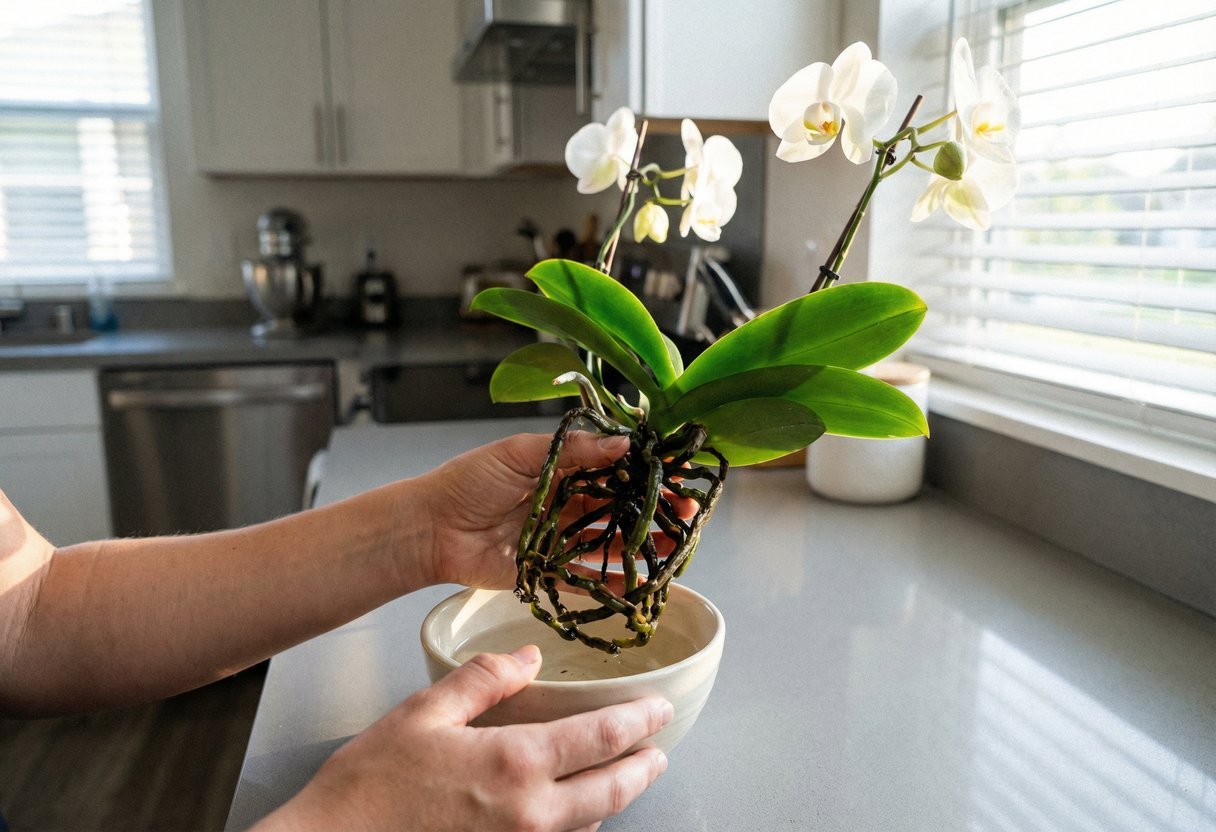
- I thought my orchid was doomed until this trick revived its bloom in 24 hours
I thought my orchid was doomed until this trick revived its bloom in 24 hours
Feed your plant and prepare for next time
When soil thaws and days stabilize, hydration becomes essential. Water at midday so the root zone warms as moisture sinks, keeping it evenly moist but never waterlogged. A light dressing of organic feed supports recovery without forcing lush, vulnerable shoots; think gentle, not aggressive.
Prevention is your best tool. Before the next freeze, lay fresh mulch, set windbreaks for exposed beds, and drape breathable frost cloth at dusk, removing it when sun returns. Raise pots off bare concrete with feet or slats, and group containers to share warmth. If soil is dry the afternoon before a cold night, water lightly to store heat in the ground.
Keep watching for swelling buds and resilient green under the bark; those quiet signs tell you which parts will return. Accept a few losses, then replant with varieties proven hardy in your zone, so the garden you nurse today has better odds tomorrow.