
For small birds, winter is a fight measured in calories and minutes. A simple plastic bottle, too often relegated to the recycling bin, can be the difference between scarcity and survival. Treated wisely, it offers shelter and a steady trickle of food, but handled badly it can invite hazards. The choices you make, from placement to upkeep, will decide whether this modest fix truly helps.
Birds and the fight against winter
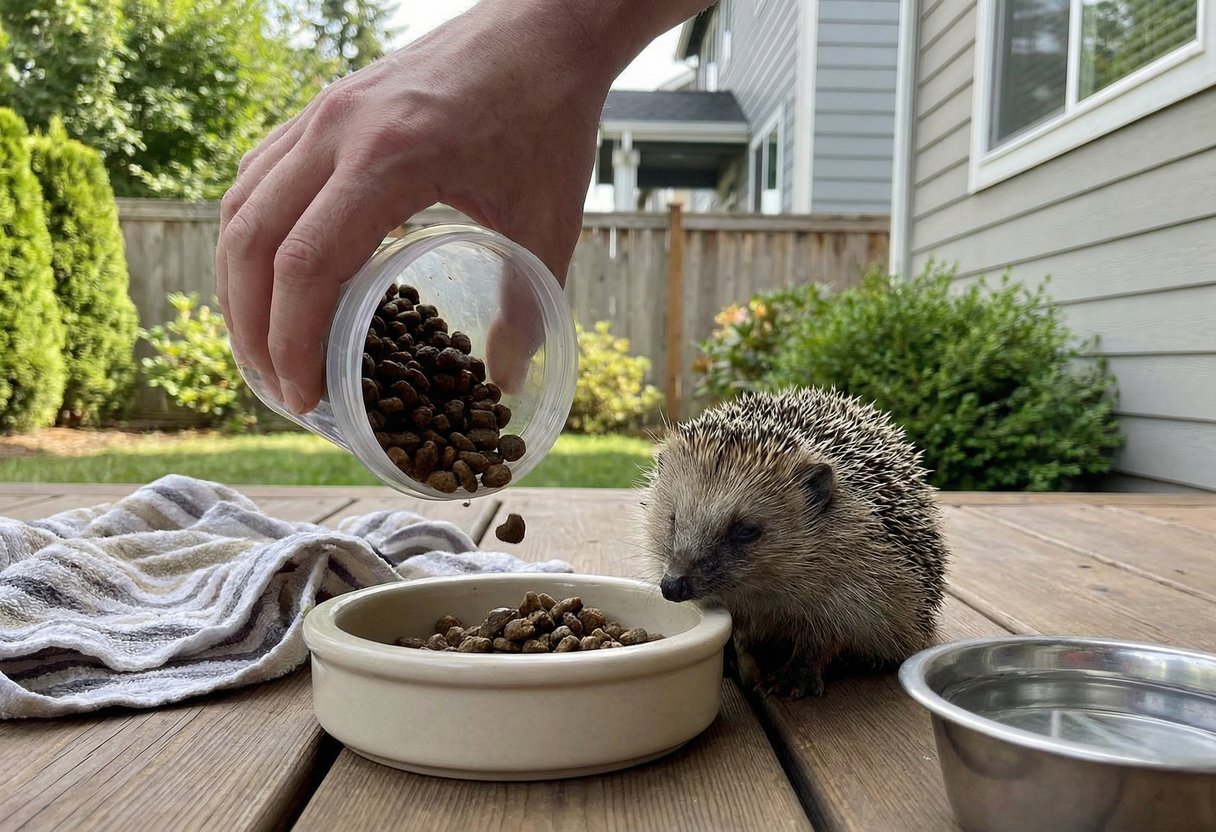
By sunrise, small birds are already burning calories to keep a 104-degree body warm. When frost seals the soil, insects retreat and natural seed hides under ice. Hedgerows cut back for neatness remove cover, and long, clear nights drain reserves by dawn. What keeps them going when the ground locks hard? In many neighborhoods, survival hinges on a reliable trickle of food and a safe perch, close enough to shelter but dry and clean enough to avoid disease.
- Unable to find buyer, they offer their 1,400-square-foot apartment in a 10-dollars raffle
Unable to find buyer, they offer their 1,400-square-foot apartment in a 10-dollars raffle
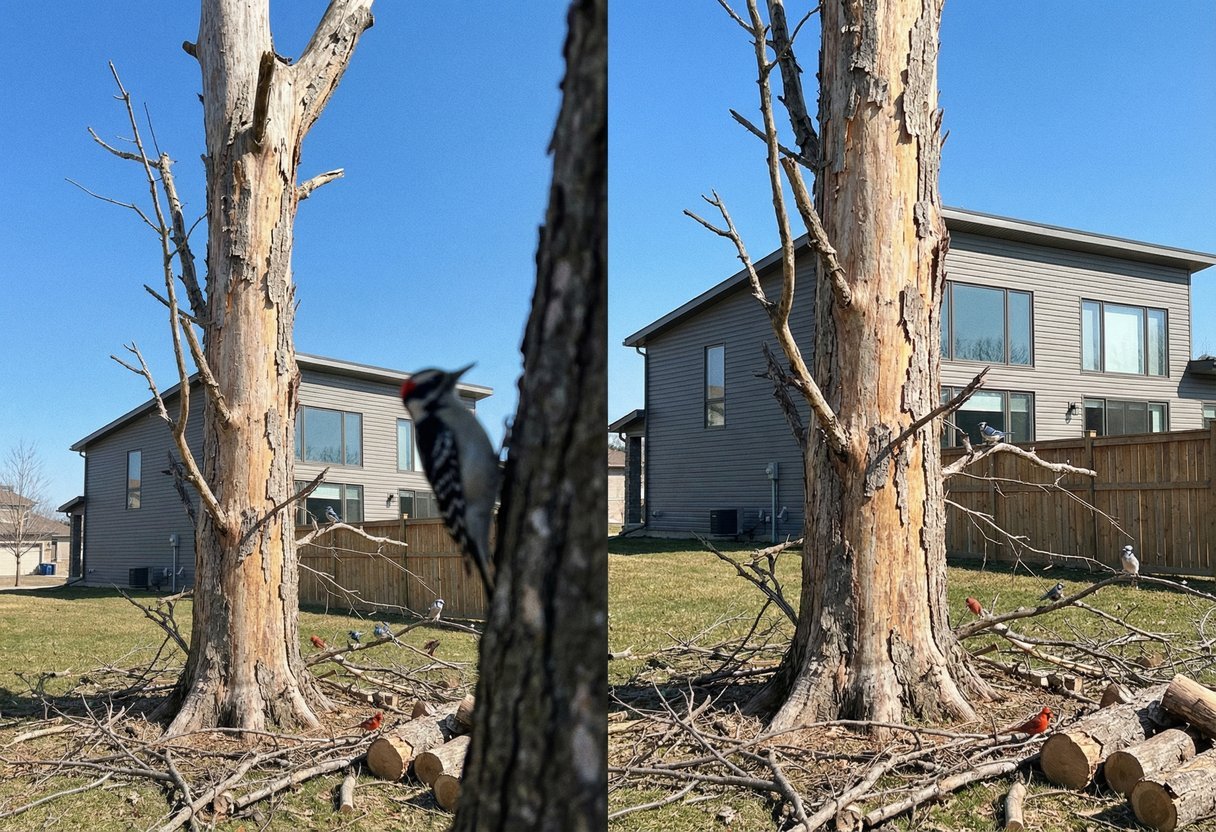
- Don’t cut down your dead trees, they’re essential for the survival of many bird species
Don’t cut down your dead trees, they’re essential for the survival of many bird species
From waste to lifeline
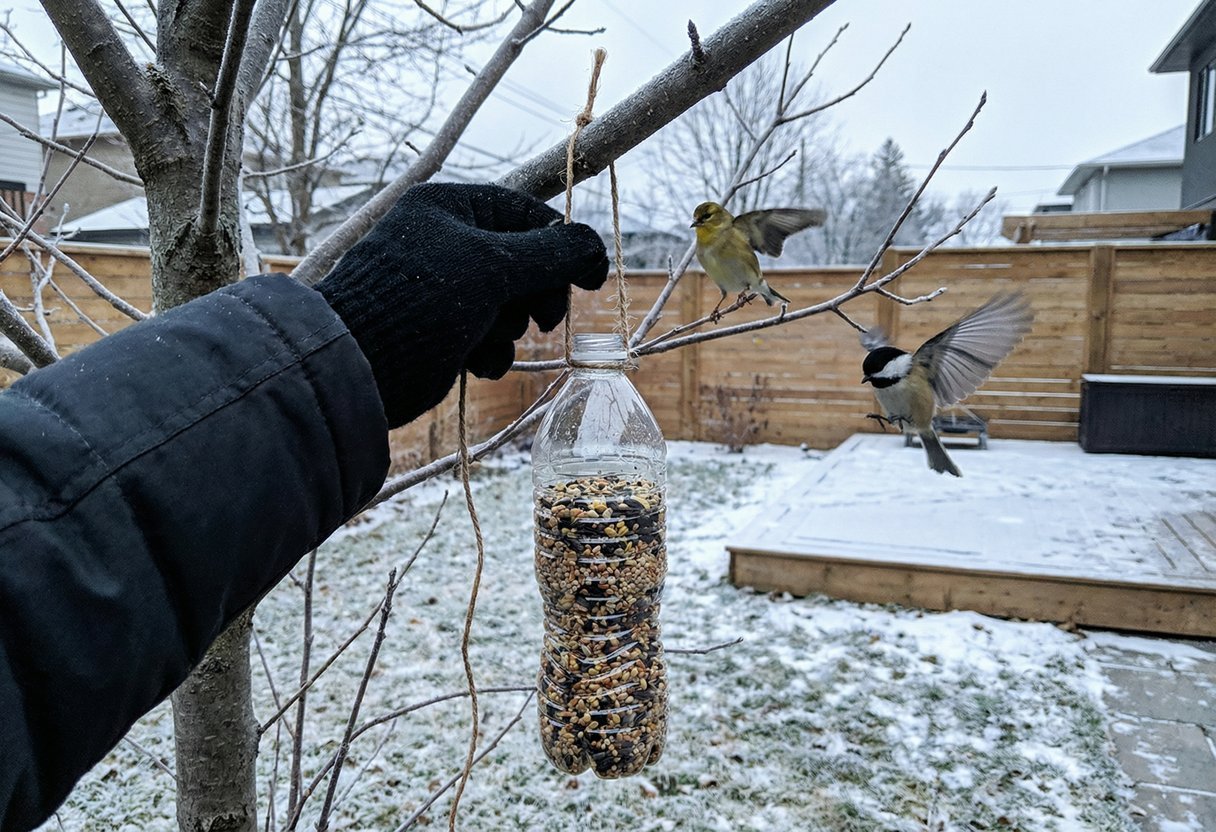
In the recycle bin, a 1.5-liter bottle is forgettable. Hung from a branch, it becomes a vertical silo: light, rainproof, and transparent. Gravity feeds seed through small ports while the shell shields it from sleet and clumping. Dry seed stays edible longer, reducing mold that harms finches and sparrows. Reusing plastic trims waste in the short term and buys time for birds on the coldest days, especially in yards without mature trees or dense shrubs.
How to build a bottle feeder
You do not need a workshop. Most homes have what this feeder requires, and the build takes about 10 minutes.
- Gather 1 clean, dry plastic bottle with cap, 2 wooden spoons, a knife or awl, tape or sandpaper, and sturdy cord.
- Near the lower third, mark 2 opposing holes. Make the hole for the spoon handle snug; make the bowl side slightly larger so seed can spill into it.
- Repeat a few inches higher, rotating 90 degrees to create a second perch.
- Smooth every cut edge with sandpaper or tape to prevent frayed plastic from cutting feet.
- Pierce the cap, thread cord, tie a secure loop, fill with seed, and close tightly.
- Test outside: shake gently to confirm a steady seed trickle without dumping.
A safe and healthy meal for birds
Hang the feeder 5–7 feet high, with clear sightlines and quick cover nearby. Keep 6–10 feet from dense shrubs to reduce ambushes by cats, and use a baffle if squirrels dominate. On balconies, anchor against wind, place away from panes, or add decals to lower window strikes.
Choose high-energy mixes: black oil sunflower seed, millet, cracked corn, and unsalted peanuts. Skip bread and salty leftovers; they fill crops without nutrients and can harm kidneys. Refresh seed if it gets damp, and wash the bottle weekly with hot, soapy water. Rinse and dry fully. If plastic clouds, cracks, or traps grime, swap in a new, clean bottle.
- For just €7, this IKEA sensor instantly alerts you when a door or window is opened
For just €7, this IKEA sensor instantly alerts you when a door or window is opened
- I thought my orchid was doomed until this trick revived its bloom in 24 hours
I thought my orchid was doomed until this trick revived its bloom in 24 hours
Helping nature and the neighborhood
A quick DIY feeder lightens the waste stream and adds steady calories to urban food deserts for wildlife. It draws goldfinches, tits, sparrows, and chickadees into view, turning a quiet yard into a living field note. One small habit repeated across a block means fewer bottles on the curb, more birds making it through the freeze, and a little more biodiversity right outside your window.