
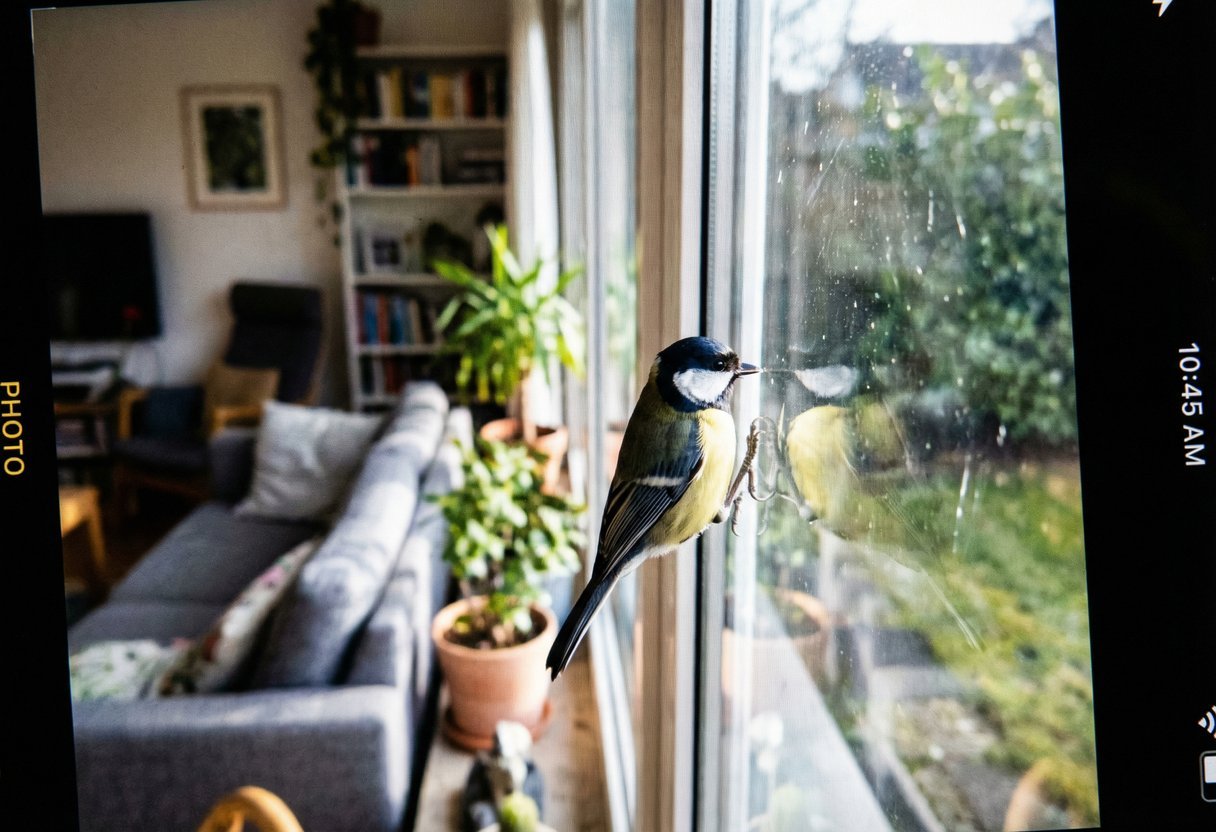
Spring brings an odd domestic soundtrack: a soft rap at the glass, a great tit fixated on the pane. Some shrug it off, others worry, and soon the neighborhood starts swapping theories. The behaviour is far from random, it carries real signals for the bird and real consequences if ignored. What is happening at the window, how common is it, and what can you do to reduce the risks?
The unexpected visitor in spring
One bright morning, a great tit taps the living room window, then returns minutes later to try again. the rhythm is oddly precise, the spot always the same, the beak hitting glass with a dry tick. neighbors trade theories and old folk tales. what is this small bird trying to tell you?
- Unable to find buyer, they offer their 1,400-square-foot apartment in a 10-dollars raffle
Unable to find buyer, they offer their 1,400-square-foot apartment in a 10-dollars raffle
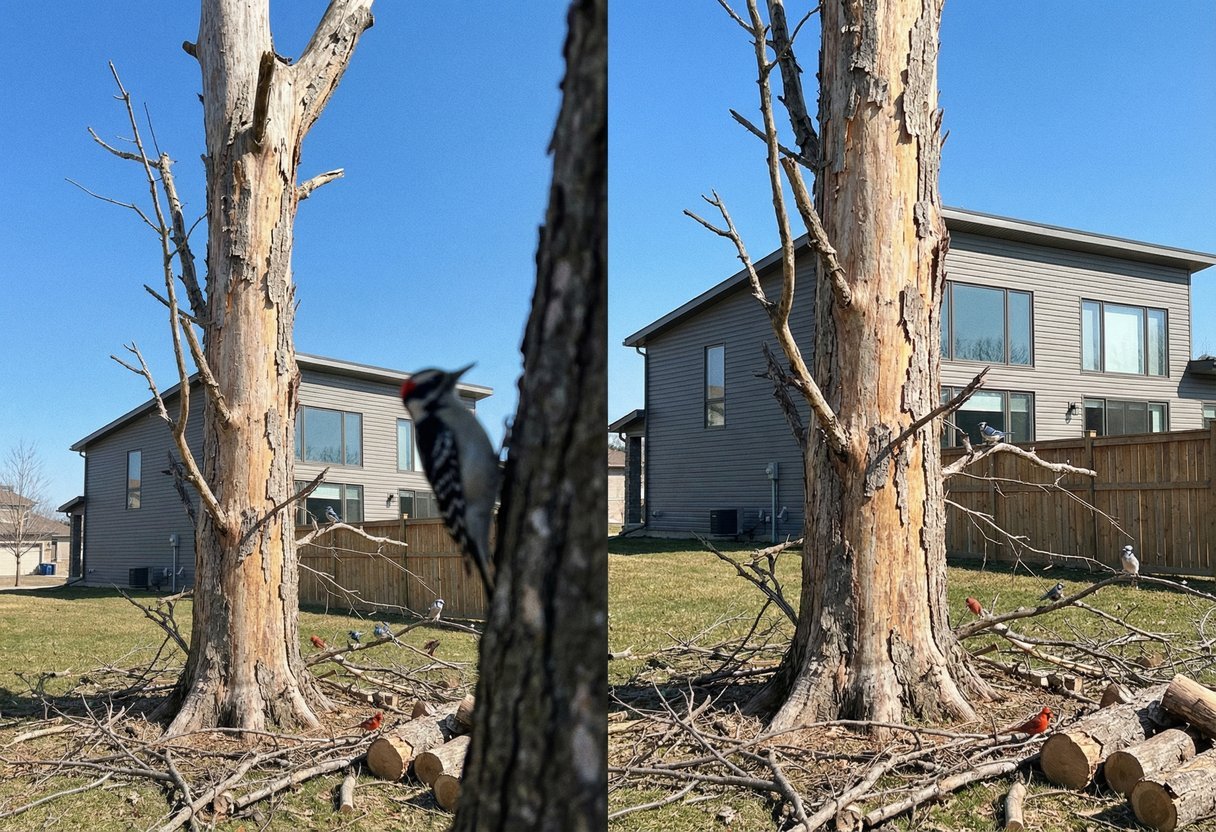
- Don’t cut down your dead trees, they’re essential for the survival of many bird species
Don’t cut down your dead trees, they’re essential for the survival of many bird species
What drives a tit to this odd act?
the answer is simple and, in spring, predictable. during breeding season, many small songbirds become vigilant defenders of territory. a clean pane turns into a mirror, and the bird sees a rival edging in. the “intruder” never leaves because it is the bird’s own reflection, strong on bright days when the room behind the glass looks dark. males, especially great tits and blue tits, are the usual culprits from March through June.
Risk to the bird itself
the repeated tapping may look harmless, but it drains energy needed for nesting and feeding young. worse, mirrored or transparent glass can lead to high-speed collisions when birds attempt to chase the phantom rival or fly toward reflected sky. urban streetscapes filled with shiny facades multiply the danger. even if a bird flies off, internal injuries from a strike can be serious, and a stunned animal becomes easy prey.
How you can prevent it
reduce the mirror, and you reduce the conflict. apply exterior anti-collision markers in a dense pattern—think 2 inches apart vertically or 4 inches horizontally—so the pane reads as a solid surface, not open air. closing blinds, adding sheer curtains, or hanging lightweight decor outside also softens reflections. place feeders either very close to glass (under 3 feet) or far away (over 30 feet) to limit approach speed. window screens, angled panes, or a temporary soap or chalk wash on the hotspot can help immediately.
- For just €7, this IKEA sensor instantly alerts you when a door or window is opened
For just €7, this IKEA sensor instantly alerts you when a door or window is opened
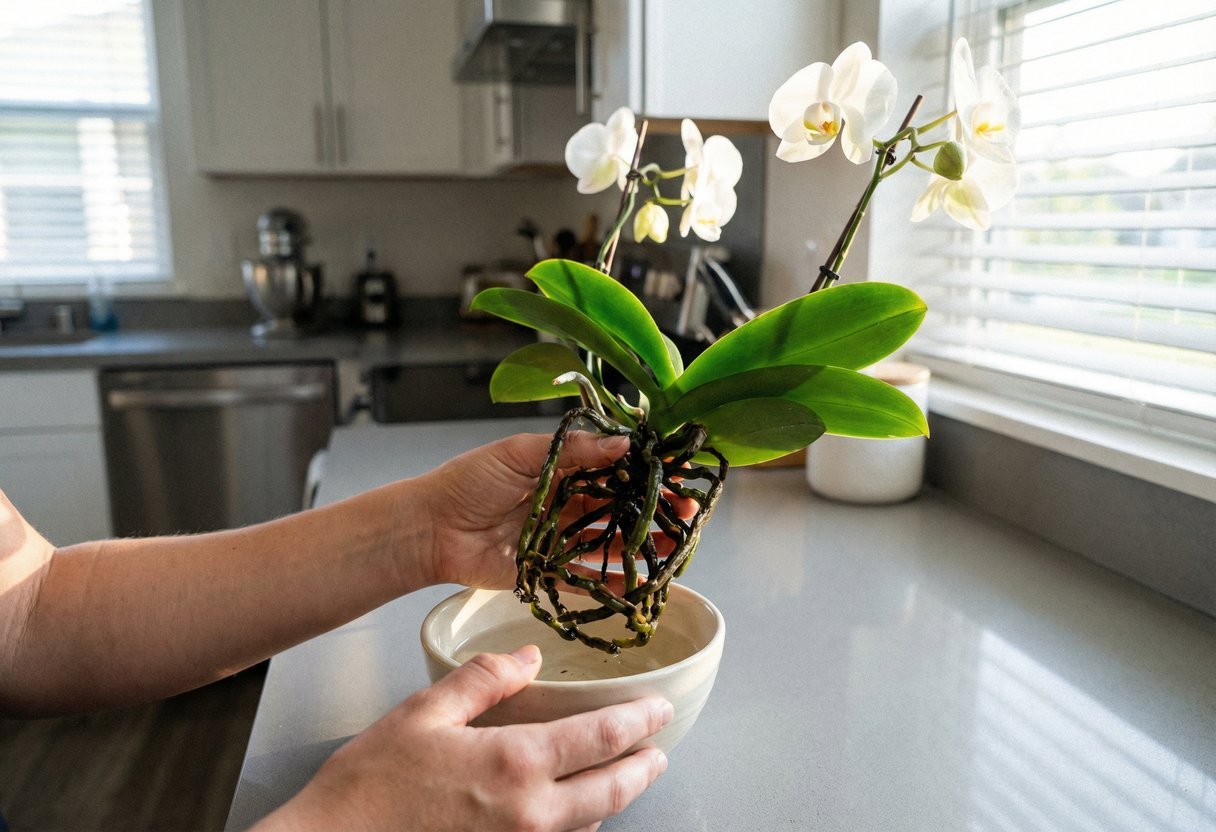
- I thought my orchid was doomed until this trick revived its bloom in 24 hours
I thought my orchid was doomed until this trick revived its bloom in 24 hours
Why awareness matters
our homes shape the airspace birds navigate every day, and small adjustments pay off quickly. groups such as Vogelbescherming Nederland and local wildlife rehabilitators share practical guidance and can advise if a bird is downed. if you find a stunned bird, place it briefly in a ventilated, dark box to recover in quiet, then seek expert help. the tapping fades once the “rival” disappears, and the garden’s soundtrack returns to what it should be: leaves, wind, and the quick contact calls of spring.