
The fate of an avocado is sealed long before the first slice, decided by where it waits at home. Flavor and texture hinge on storage that matches its ripeness, not habit or guesswork. Many of us sabotage a good fruit by chilling it too soon, or letting it sit in warm light on the counter. The smart approach avoids the usual traps, helps you spot peak ripeness, and coaxes a firm avocado along without sacrificing taste.
Niet in de koelkast of op het aanrecht: dé beste plek om een avocado te bewaren
Why storing an avocado well matters
The avocado that felt promising at noon can turn stringy by dinner. Avocados delight because of their creamy texture and clean, nutty flavor, but both are fragile. The difference between a silky slice and a mealy mess often comes down to how you store it—matched precisely to its ripeness. How do you steer that narrow window between unyielding and overdone?
- Unable to find buyer, they offer their 1,400-square-foot apartment in a 10-dollars raffle
Unable to find buyer, they offer their 1,400-square-foot apartment in a 10-dollars raffle
- Don’t cut down your dead trees, they’re essential for the survival of many bird species
Don’t cut down your dead trees, they’re essential for the survival of many bird species
The right place for each ripeness stage
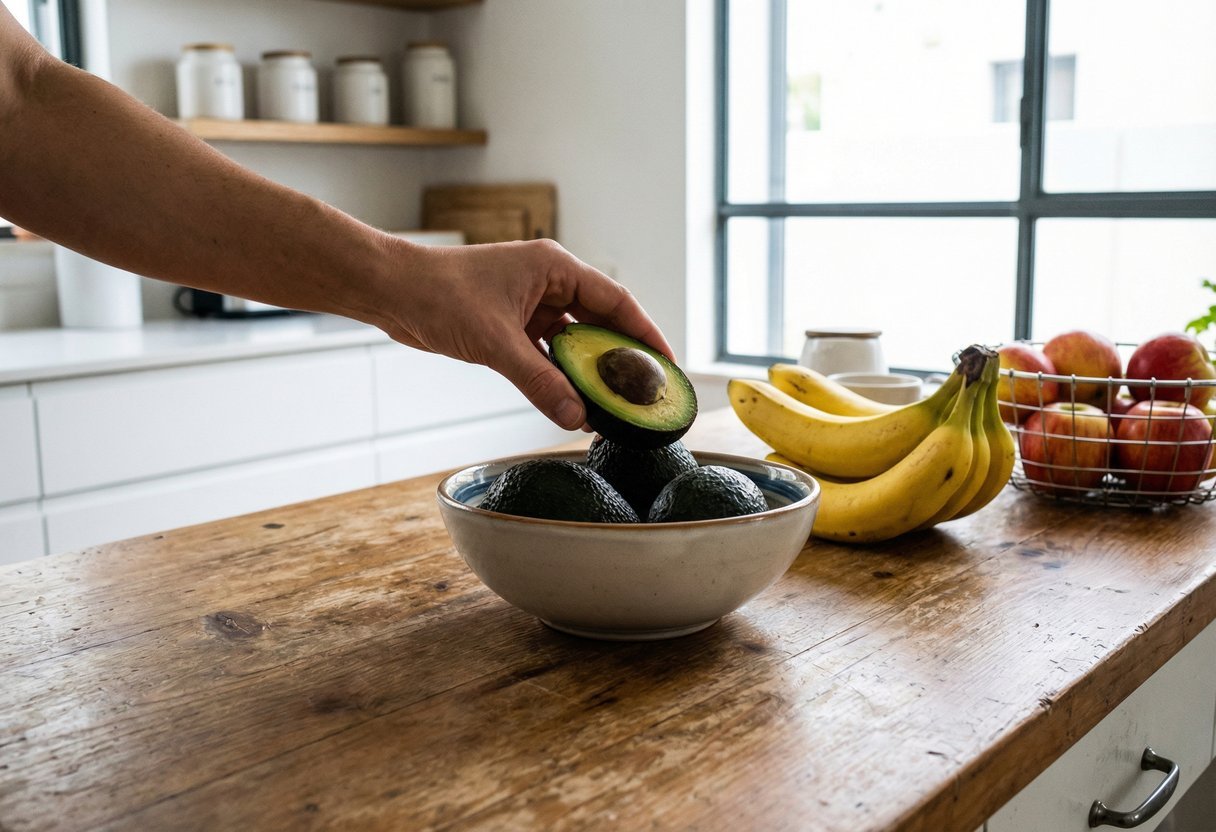
If your avocado is still firm, keep it at room temperature, in a cool, dry spot away from sunlight—think an open bowl or ventilated basket, not a sealed bag. Once it yields gently to pressure and smells faintly grassy, shift it to the refrigerator. Cold slows ripening and buys you 2 to 3 days of peak texture. For a leftover half, keep the pit in, brush or spritz the flesh with lemon or lime juice, cover tightly, and refrigerate to curb browning without turning the flesh watery.
Want faster ripening? team it with fruit
Speed things up with a paper bag and a banana or apple. These fruits release ethylene, a natural gas that nudges avocados toward ripe. Close the bag lightly so air can circulate, and check daily; firmness can shift fast within 24 to 48 hours. To test readiness, press near the top: a ripe avocado gives slightly and springs back, staying taut rather than squishy. Skin color may darken depending on variety, but feel is the most reliable signal.
- For just €7, this IKEA sensor instantly alerts you when a door or window is opened
For just €7, this IKEA sensor instantly alerts you when a door or window is opened
- I thought my orchid was doomed until this trick revived its bloom in 24 hours
I thought my orchid was doomed until this trick revived its bloom in 24 hours
Avoid the most common mistakes
Don’t refrigerate a hard avocado; cold can stall ripening and create a rubbery, dull interior. Don’t park a ripe one on a warm counter or beside the stove; heat accelerates breakdown and leads to off flavors. Skip airtight wrapping for whole fruit, which traps moisture and encourages spoilage; ventilation matters until it’s cut. For halves, protect the flesh quickly—acid plus a tight cover—rather than relying on plastic film alone. Treat a ripe avocado like fresh herbs: give it a gentle, cool environment and it will reward you at the table.