

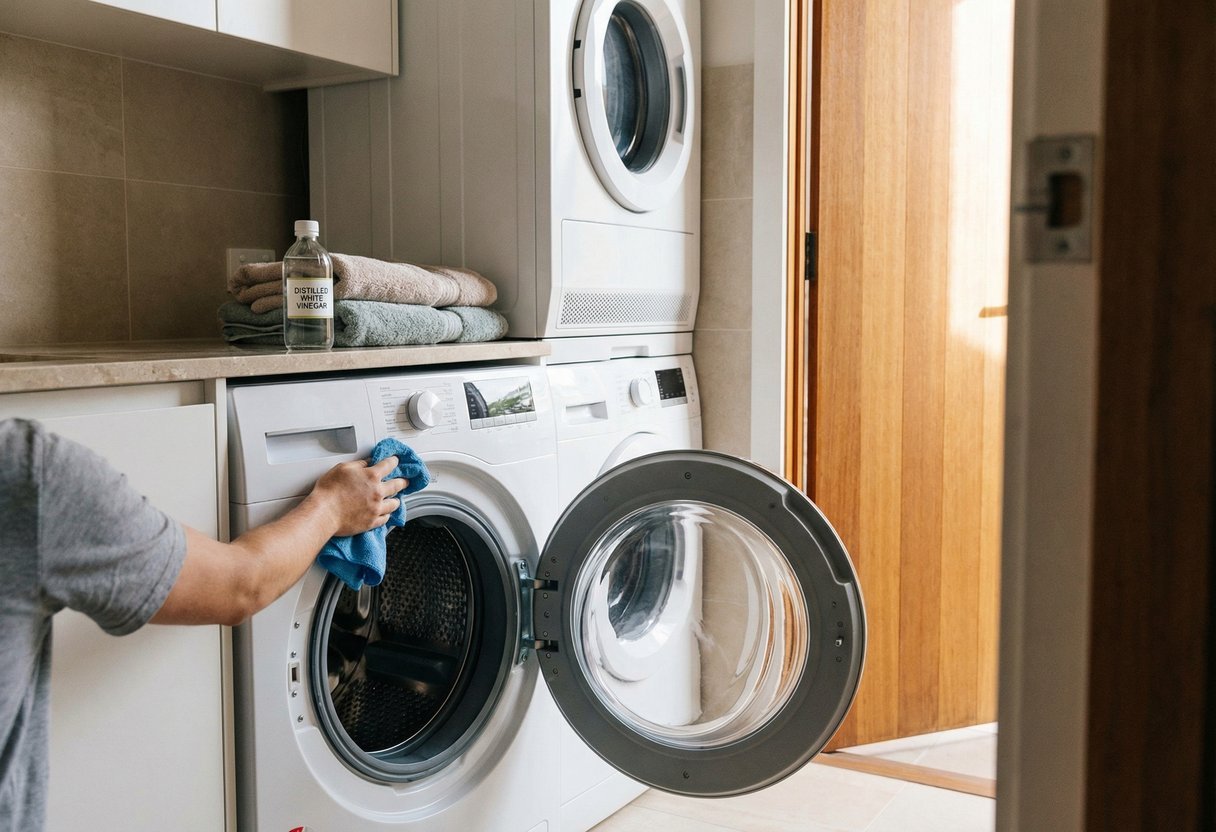
A musty smell creeping into clean laundry often starts at the washing machine’s door gasket, where pooled water and residue let biofilm thrive. Regular care that avoids harsh chemicals can prevent odors and protect the seal. Simple, natural habits fit easily into daily routines and keep the machine fresh. When wear shows or smells persist, knowing the warning signs helps you decide if maintenance will do or if a replacement is the smarter move.
Deze simpele truc beschermt je wasmachine én voorkomt vieze geurtjes
Musty odors in your washer: a common problem
You pull warm towels from the drum and a basement smell hits instead of that clean, mineral snap. That mustiness travels into fabric, survives a second spin, even clings after drying. Where does it come from?
- Unable to find buyer, they offer their 1,400-square-foot apartment in a 10-dollars raffle
Unable to find buyer, they offer their 1,400-square-foot apartment in a 10-dollars raffle
- Don’t cut down your dead trees, they’re essential for the survival of many bird species
Don’t cut down your dead trees, they’re essential for the survival of many bird species
Most trails lead to the rubber door gasket. water, detergent residue, lint and body oils collect in its folds, forming a slick biofilm. once established, that film feeds mold and bacteria, and their byproducts seep into every load.
Why the door gasket matters
The gasket does critical work: it seals the door and prevents leaks at high speed. but because it stays damp and soapy, it becomes a cozy microclimate. warm cycles leave traces of softener and fibers that lodge in creases, creating the perfect buffet for microbes. without care, the rubber can turn sticky, stain laundry, and eventually dry out or crack.
Keep it fresh without harsh chemicals
The most effective fix is also the simplest: remove moisture and let air in. a few seconds after each load prevents weeks of scrubbing later.
- wipe the entire gasket dry with a microfiber cloth, lifting the lips to remove water, lint, and hair. that single habit starves mold of humidity.
- leave the door slightly ajar, and if possible the detergent drawer too, so air circulates and the drum dries fully.
- once a month, clean by hand with white vinegar. wipe the gasket with vinegar, then run an empty hot cycle at 140°F/60°C with 1 cup added to the drum for a thorough, natural disinfect.
- for stubborn buildup, a gentle mix of lemon juice and fine salt works on stains. use sparingly and rinse, then dry.
- For just €7, this IKEA sensor instantly alerts you when a door or window is opened
For just €7, this IKEA sensor instantly alerts you when a door or window is opened
- I thought my orchid was doomed until this trick revived its bloom in 24 hours
I thought my orchid was doomed until this trick revived its bloom in 24 hours
When to consider replacement
Even with good habits, rubber ages. persistent odors after cleaning, visible black patches that don’t lift, or hairline cracks around the lip signal it’s time. leaks during spin are a late warning sign you don’t want to test twice.
DIY kits exist for many front-loaders, but newer models can be tricky, with tight springs and sensors near the seal. if in doubt, bring in a technician and protect the drum and door glass from damage. a new gasket typically costs 100 to 150 dollar, a small outlay that extends your machine’s life and keeps the next load smelling like it should.