
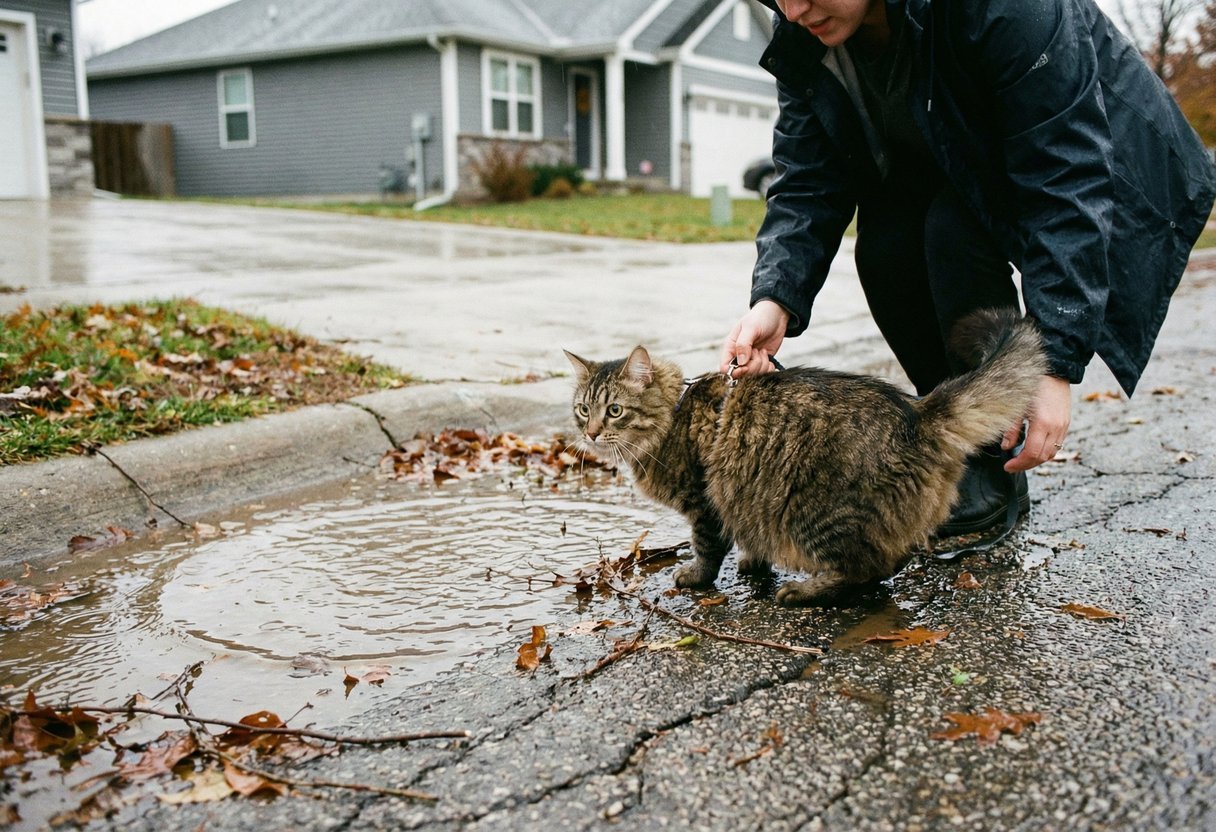
Rain beads on the pavement, your cat leans in and takes a quick sip from a shallow puddle. It looks routine, yet that mouthful can open the door to infections that escalate fast. Knowing what to watch for, how to respond in the moment, and how to steer pets away from risky water can make all the difference. A small habit after a storm can carry big stakes.
Dangers of rain puddles for cats
The downpour has barely passed when your cat leans over a curbside puddle and starts lapping. What looks like a harmless sip—how risky can it be? Quite a lot, say public health agencies, because standing water near trash, gutters, or planters can carry bacteria such as Leptospira, parasites like Giardia, and traces of oil or de-icers. That mix can trigger gastrointestinal illness, and in severe cases, kidney or liver damage.
- Unable to find buyer, they offer their 1,400-square-foot apartment in a 10-dollars raffle
Unable to find buyer, they offer their 1,400-square-foot apartment in a 10-dollars raffle
- Don’t cut down your dead trees, they’re essential for the survival of many bird species
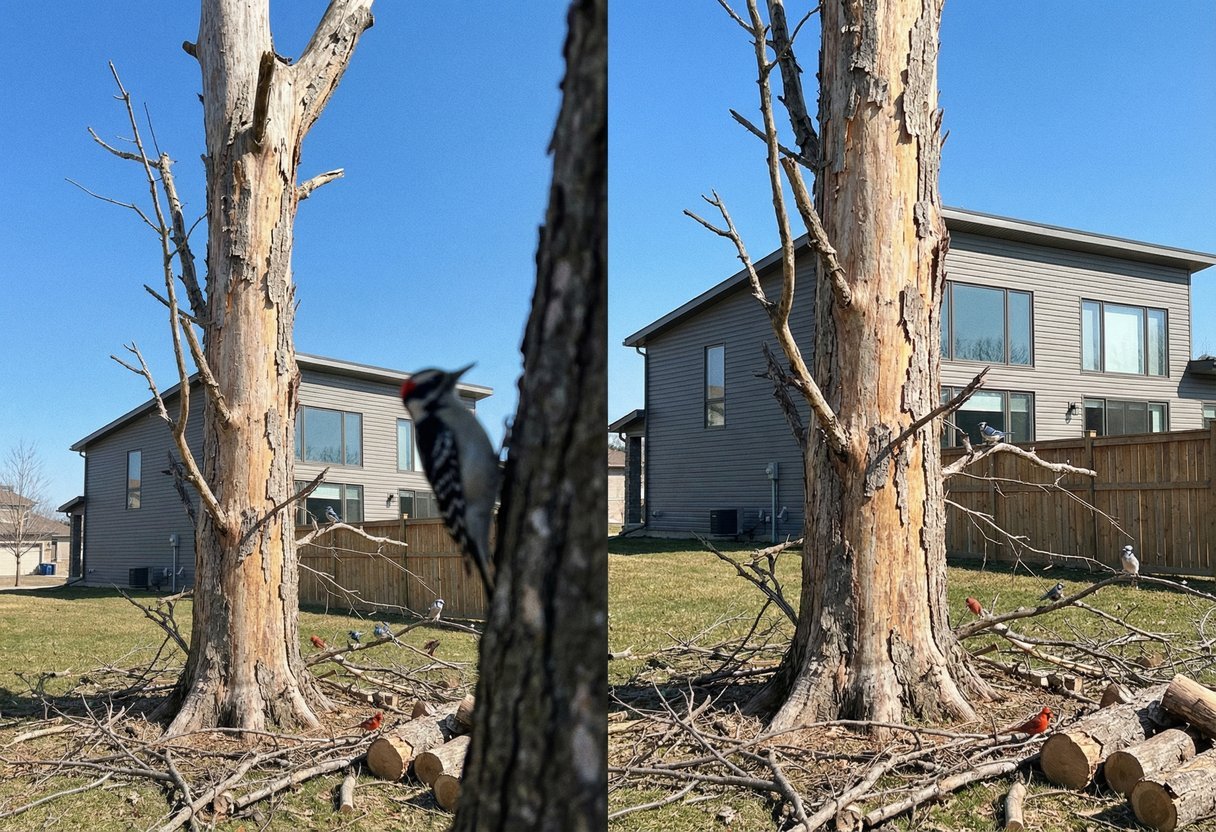
Don’t cut down your dead trees, they’re essential for the survival of many bird species
Symptoms you might see
Stay alert if you suspect your cat drank from a puddle. Watch for lethargy, vomiting, diarrhea, fever, or a sudden loss of appetite. With leptospirosis, red flags can include jaundice, increased thirst or urination, and signs of kidney strain; with giardiasis, diarrhea may be intermittent and foul-smelling, sometimes paired with weight loss. Incubation can vary—roughly 2–20 days for leptospirosis and 5–12 days for giardiasis—so keep notes on timing, and seek veterinary care fast; agencies such as ANSES stress prompt treatment.
What to do if it happens
Step in immediately and move your cat away from the puddle. Offer fresh, clean water right away to encourage drinking and help rinse the mouth; then restrict access to any outdoor standing water and keep only safe water available indoors. Monitor closely for 48 hours, tracking appetite, energy, urination, and stool; if you see repeated vomiting, dark urine, persistent diarrhea, fever, or refusal to drink, call your vet without delay. Continue heightened vigilance for up to 14 days, as some infections declare themselves slowly and early intervention limits complications.
- For just €7, this IKEA sensor instantly alerts you when a door or window is opened
For just €7, this IKEA sensor instantly alerts you when a door or window is opened
- I thought my orchid was doomed until this trick revived its bloom in 24 hours
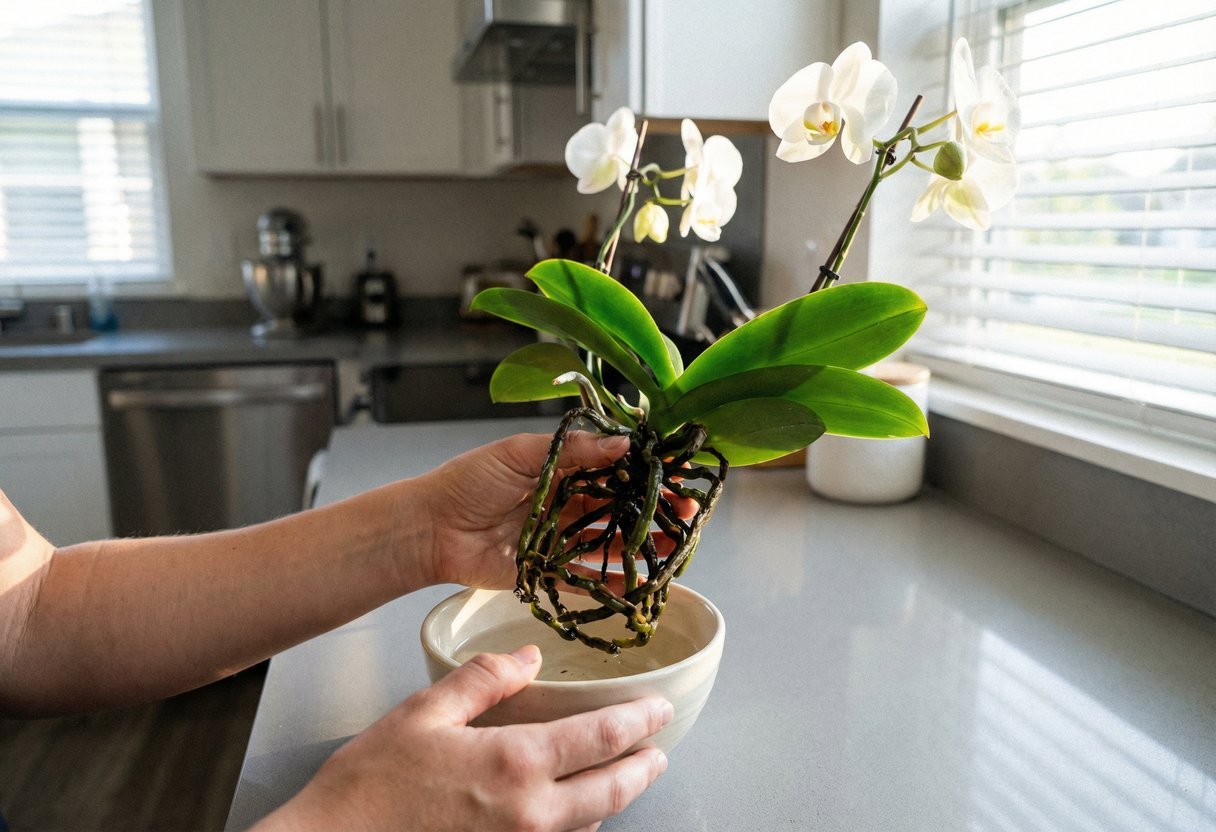
I thought my orchid was doomed until this trick revived its bloom in 24 hours
How to prevent the habit
Make the safe choice irresistible. Refresh bowls daily, place multiple stations away from food and litter, and consider a pet fountain—the movement can entice reluctant drinkers. If tap water’s chlorine taste is an issue, let it sit in the fridge for several hours before serving. Outside, empty saucers and buckets after rain, cover decorative ponds, and block access to driveways and street gutters; after storms, keep your cat indoors until surfaces dry. By keeping a steady supply of appealing, clean water, you dramatically reduce the draw of puddles and the risks that pool with them.