
Heating bills are climbing, yet a chill still snakes across floors in homes with supposedly well adjusted PVC windows. Those faint drafts are more than a nuisance, they sap warmth and money with quiet persistence. The culprits can be surprisingly ordinary, their telltale signs easy to miss in the everyday rush. There is a discreet and effective way to tackle them, one that avoids major work and puts comfort back on your side.
Discomfort and waste from drafts
You close the window and still feel a chill along the frame. Even well‑adjusted pvc windows can hide thin air paths that slip indoors. Those drafts sap comfort and push energy use up. With prices volatile, sealing them is an uncomplicated way to cut waste—why pay to heat the street?
- Unable to find buyer, they offer their 1,400-square-foot apartment in a 10-dollars raffle
Unable to find buyer, they offer their 1,400-square-foot apartment in a 10-dollars raffle
- Don’t cut down your dead trees, they’re essential for the survival of many bird species
Don’t cut down your dead trees, they’re essential for the survival of many bird species
How to find where the draft comes from
Finding the leak is half the fix. Sweep your hand around the sash and frame, then try a candle or incense; disturbed smoke marks the path of air. The paper test is sharper: close a sheet in the window and tug; if it slides out, the seal is weak. For stubborn cases, schedule a blower‑door test to map leakage across the envelope.
Causes of drafts around pvc windows
Drafts usually begin with tired rubber gaskets that have lost spring. Misaligned hardware can also leave latches short of full contact. Another culprit is a sash that has settled; proper toe‑and‑heeling rebalances the glass so the frame closes square again.
Simple fixes that make a big difference
- Adjust the hardware: increase latch pressure so the sash pulls tight against the frame.
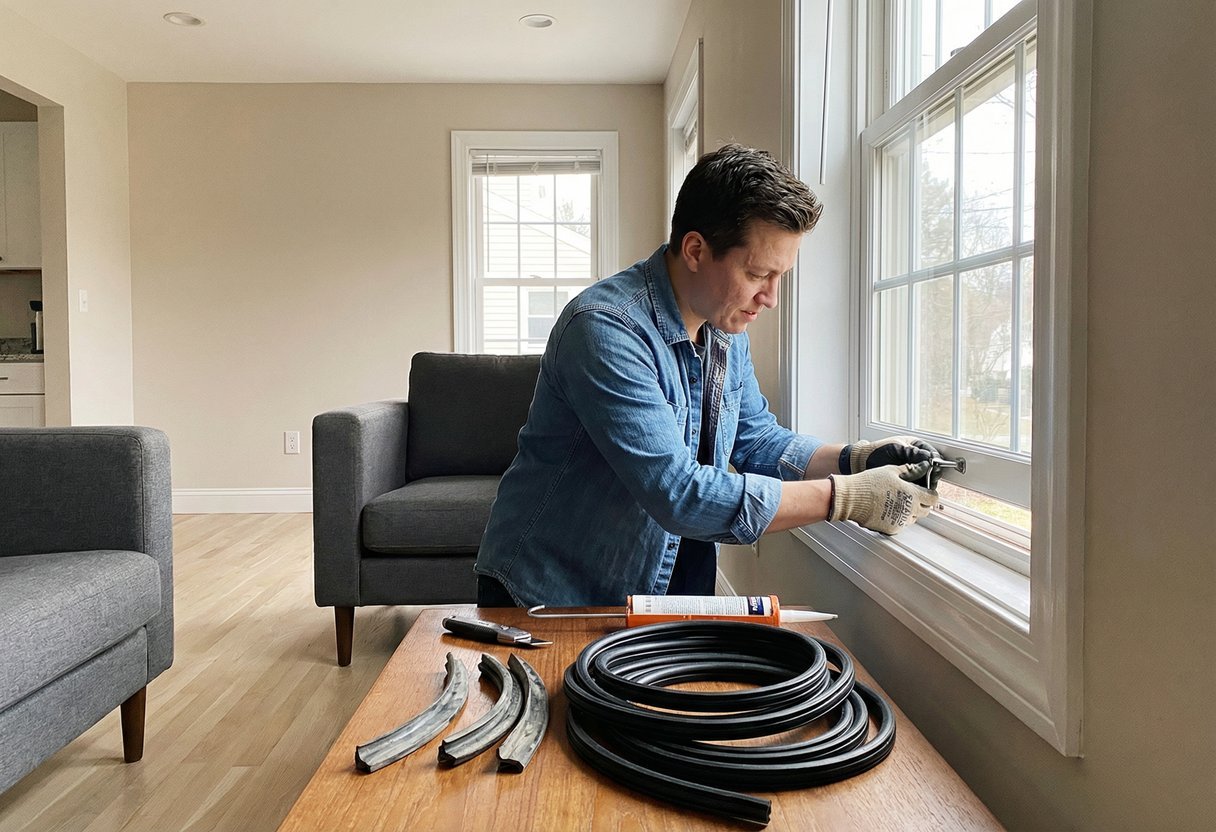
- Replace gaskets: modern epdm seals resist uv and stay elastic in cold weather.
- Maintain hinges and locks: clean and lubricate to prevent wear and preserve alignment.
If you are handy, these steps are manageable with basic tools. New gaskets typically cost €10–€20 per window, and a careful fit matters more than speed. Save old pieces as a template and avoid stretching the new strip.
- For just €7, this IKEA sensor instantly alerts you when a door or window is opened
For just €7, this IKEA sensor instantly alerts you when a door or window is opened
- I thought my orchid was doomed until this trick revived its bloom in 24 hours
I thought my orchid was doomed until this trick revived its bloom in 24 hours
How windows shape comfort and energy use
A tight window changes the room immediately: no cold eddies, no hiss along the jamb. The payoff also shows up in the bill. Households that seal leaks can trim 10–15 percent from annual energy use, worth several hundred euros in many homes. One reader in the central netherlands reported a drop of about 200 euros per year after gasket replacement and a simple readjustment.