

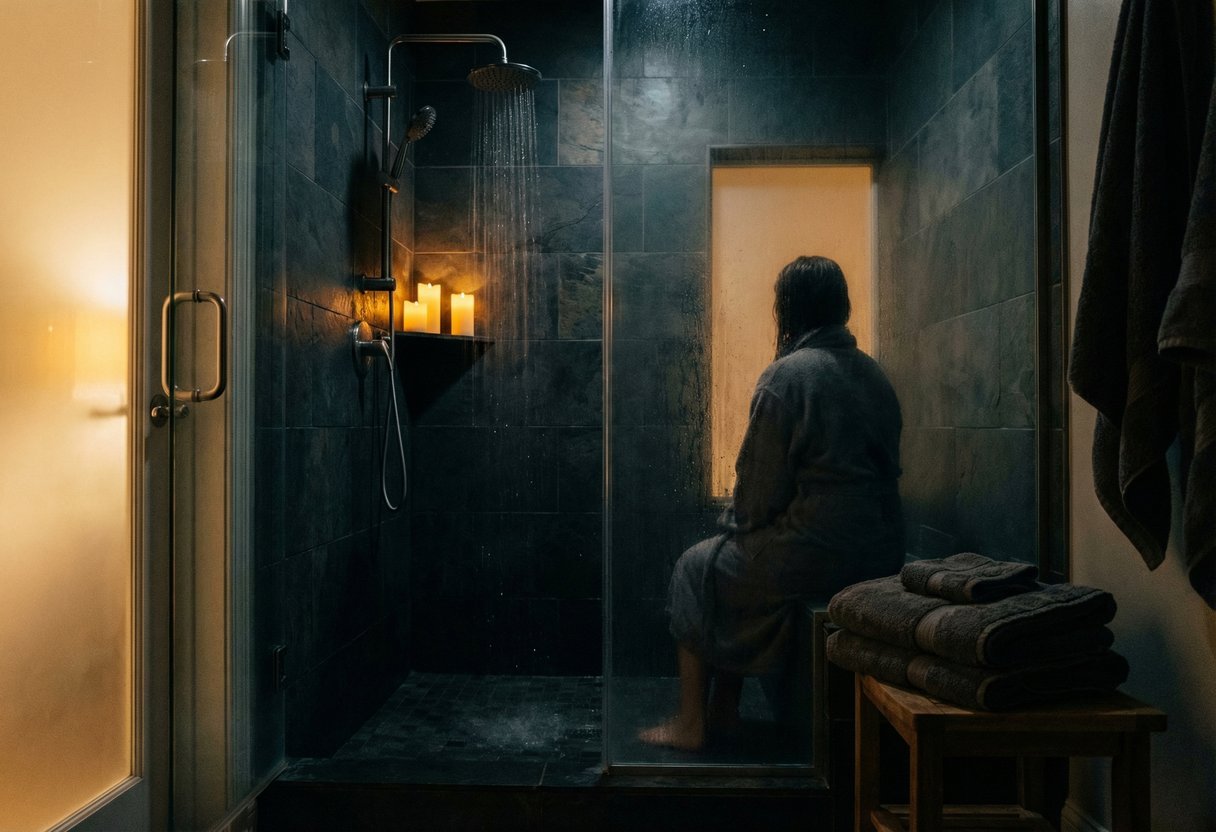
You go to bed at a sensible hour, yet the sky is still dim when your eyes snap open. Past 50, the sleep window often drifts earlier, a quiet shift that can leave nights more fragmented and mornings unasked for. Biology is part of the story, so is the way light tunes our inner clock and how evening habits either help or hinder. New rituals are entering the conversation, including the dark shower, alongside practical tweaks aimed at making rest feel truly restorative again.
The riddle of waking early after 50
At 5:00 a.m., the street is quiet, yet your brain is switched on. You went to bed on time, but the morning arrived early anyway. The culprit often sits in biology: as we pass 50, sleep tends to shift earlier and grow lighter, making awakenings more likely. Is your willpower slipping, or is your clock simply ahead?
- Unable to find buyer, they offer their 1,400-square-foot apartment in a 10-dollars raffle
Unable to find buyer, they offer their 1,400-square-foot apartment in a 10-dollars raffle
- Don’t cut down your dead trees, they’re essential for the survival of many bird species
Don’t cut down your dead trees, they’re essential for the survival of many bird species
What happens to our biological clock?
Age nudges the circadian system into a forward shift, a phase advance. You feel sleepy earlier in the evening and, predictably, wake earlier too. Studies show the suprachiasmatic nucleus, the brain’s master clock, adjusts its timing and becomes more sensitive to light cues. Deep, restorative slow-wave sleep declines with age; estimates suggest it can slip from about 19 percent in early adulthood to near 3 percent by midlife. Across decades, people spend more minutes awake at night and see REM gradually shorten, tilting nights toward fragmentation.
The crucial role of light and our eyes
Light is the most powerful lever on circadian timing. Specialized retinal cells respond strongly to blue-enriched light and tell the clock what time it is. With age, the eye’s lens thickens and yellows, letting less blue light reach those cells and softening the clock’s daily reset. The result can be a looser, earlier-running rhythm: evenings feel “done” sooner, and mornings start before you want them to. Consistent daylight exposure—especially bright morning light—sharpens the clock; dim evenings prevent it from sliding forward.
Practical steps for better sleep
You can’t change your birth year, but you can change your light and routine. Small, steady shifts help.
- Seek strong morning daylight for at least 20–30 minutes; add bright indoor light on dark days.
- Keep a consistent schedule: same wake time daily, and avoid getting into bed before genuine sleepiness.
- Dial down screens and overheads 2–3 hours before bed; use warm, low light after sunset.
- Try a “dark shower” ritual: bathe with lights off or very dim, then keep the home calm and low-lit.
- If awake at night, stay calm; breathe slowly, and consider a quiet, non-screen activity until drowsy returns.
- For just €7, this IKEA sensor instantly alerts you when a door or window is opened
For just €7, this IKEA sensor instantly alerts you when a door or window is opened
- I thought my orchid was doomed until this trick revived its bloom in 24 hours
I thought my orchid was doomed until this trick revived its bloom in 24 hours
Why sleep acceptance matters
Perfect, unbroken sleep is rare at any age; after 50, brief awakenings are common and often benign. Accepting a slightly earlier schedule—paired with strong morning light and gentle evenings—can transform 5:30 a.m. from a frustration into a head start. When your routine works with your clock, mornings feel less like a compromise and more like a choice.