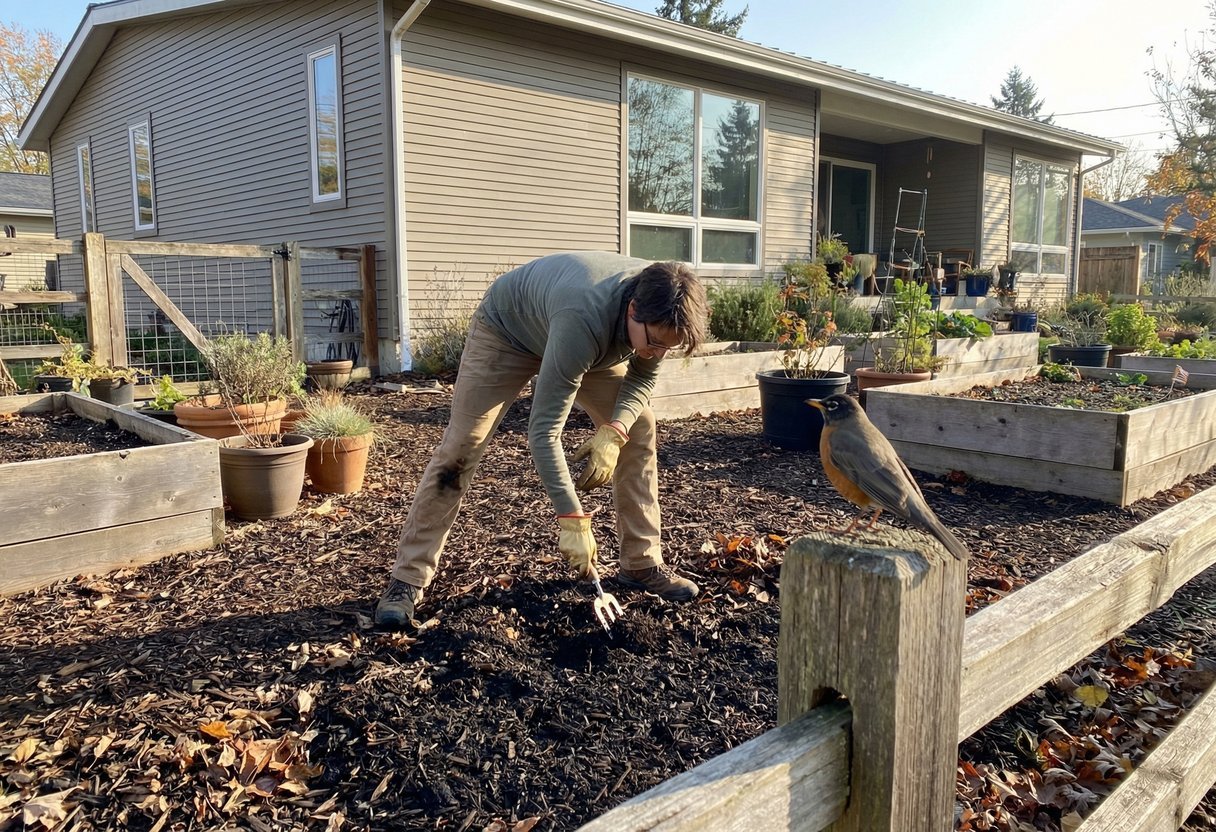

Gardeners often treat a dead tree as a problem to solve, a blemish to be sawn away. Look closer, and that dry bark and hollowing heartwood can signal activity rather than absence. As interest in ecological gardening grows, the case for leaving certain trunks in place touches everything from the soil underfoot to the birds overhead. The question is not simply cut or keep, it is how to reconsider risk, beauty and utility in a living yard.
Dead trees: from nuisance to lifeline
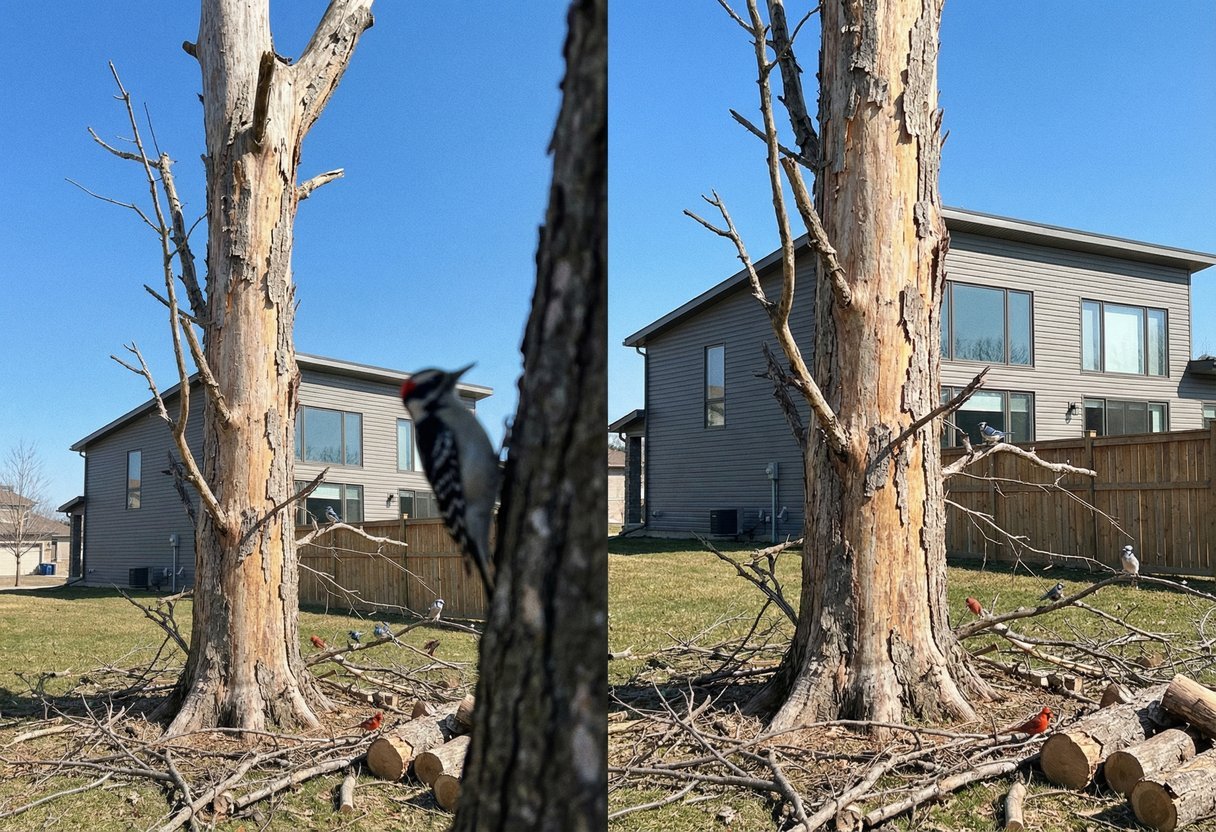
On a quiet block, a leafless trunk leans over a back fence, its bark peeling in sun and rain. Neighbors call it an eyesore, even a hazard. Yet that same snag can anchor an entire web of life in a park, garden, or woodlot. What if that eyesore is actually a lifesaver?
- Unable to find buyer, they offer their 1,400-square-foot apartment in a 10-dollars raffle
Unable to find buyer, they offer their 1,400-square-foot apartment in a 10-dollars raffle
- For just €7, this IKEA sensor instantly alerts you when a door or window is opened
For just €7, this IKEA sensor instantly alerts you when a door or window is opened
An indispensable refuge for birds
Up to 80 percent of cavity‑nesting birds rely on dead or dying trees for shelter, from woodpeckers and owls to titmice. Softened wood lets excavators carve nest chambers, later reused by smaller birds that cannot drill their own homes. Cavities buffer heat, wind, and predators, while fissured bark shelters beetles and larvae that fuel spring broods. A bare perch also doubles as a hunting post and a stage for territorial song when leaves would otherwise block the view.
Biodiversity through decay
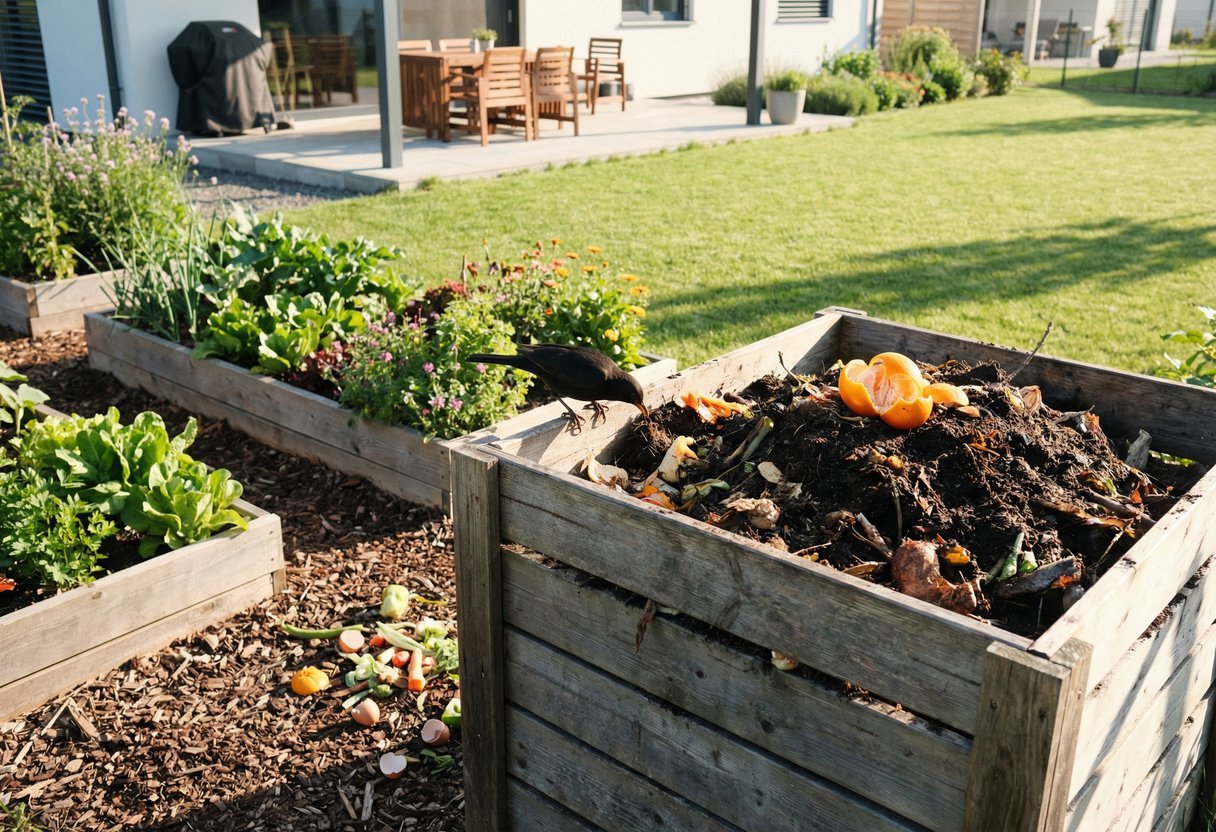
A “dead” tree is ecologically busy. Fungi thread through the heartwood, beetles tunnel galleries, and ants, spiders, and millipedes follow, building a living scaffold of prey and pollinators. As microbes break down lignin and cellulose, they drive nutrient cycling, feeding soils that later lift understory plants and young saplings. In some forests, as many as 45 percent of bird species use deadwood to nest, forage, or roost, and downed logs lock moisture that helps landscapes ride out summer heat.
- I thought my orchid was doomed until this trick revived its bloom in 24 hours
I thought my orchid was doomed until this trick revived its bloom in 24 hours
- Why a dog that never barks immediately alerts veterinarians
Why a dog that never barks immediately alerts veterinarians
Keeping a dead tree safely
You can keep a dead tree without courting risk by managing structure, not erasing habitat. Start with a certified arborist to assess lean, root stability, and major limbs. If a full removal is not required, reduce the canopy and retain a shortened trunk as a standing snag, sited away from paths, play areas, and roofs.
- Remove only hazardous branches; keep the sound trunk for nests and perches.
- Lay trimmed sections on the ground to create log shelters for insects and amphibians.
- Reinspect after major storms and follow local rules before altering street or shared trees.