

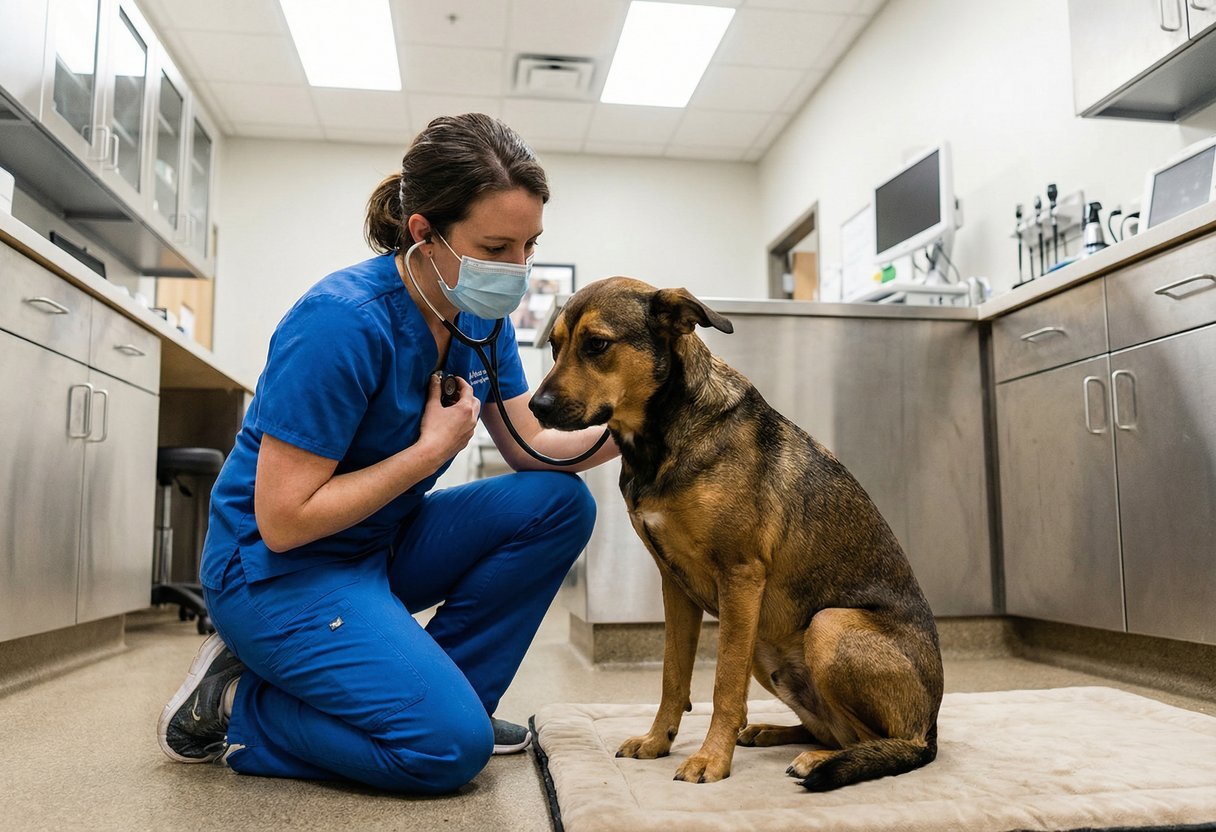
A dog that never barks can seem like a blessing to the block, yet it often gives an owner pause. Silence might reflect temperament, training, or something that calls for a closer look. Knowing what barking typically communicates helps you judge when quiet is simply a trait and when it hints at stress or a health concern. Careful observation is crucial, especially if a chatty companion goes quiet suddenly, and it can guide you on when to consult a veterinarian.
Een stille hond: normaal of reden tot zorgen?
The delivery truck rattles by, the neighbor’s terrier erupts, and your dog stays quiet. Day after day, the same hush. Is that peace or a warning sign? Silence can be temperament, but it can also hint at pain, anxiety, or a voice lost to illness.
- Unable to find buyer, they offer their 1,400-square-foot apartment in a 10-dollars raffle
Unable to find buyer, they offer their 1,400-square-foot apartment in a 10-dollars raffle
- Don’t cut down your dead trees, they’re essential for the survival of many bird species
Don’t cut down your dead trees, they’re essential for the survival of many bird species
Veterinarians urge owners to note context and change, not just volume. A dog that has always been reserved may be fine, while a sudden silence after being vocal signals a problem worth investigating.
De taal van aboiementen: luisteren naar je hond
Dogs bark to flag threats, ask for space, play, or call for help. Each pattern—staccato bursts, rapid high-pitched strings, or a single warning—carries intent shaped by history and environment.
With a quiet dog, meaning shifts to body language. Watch the tail’s height and motion, the ear set, gaze, and mouth tension; note lip licking, yawns, and paw lifts. These small signals often say what a bark would have said out loud.
Oorzaken van een zwijgende hond
Medical issues can mute a voice. Laryngitis, laryngeal paralysis, chronic airway infections, or trauma to the vocal folds can reduce sound, as can nerve damage or certain congenital defects; pain anywhere can also dampen vocal drive.
Behavior matters, too. Dogs under-socialized as puppies or punished for barking may suppress vocalizing and default to avoidance. Breed tendencies play a role—Basenjis seldom bark, and some sighthounds are notably restrained—while stress in a noisy home can amplify quiet coping strategies.
Wanneer moet je actie ondernemen?
Track the whole picture, not just the noise level. Hoarseness, coughing, noisy breathing, lowered energy, withdrawal, or appetite changes point toward a medical cause that should not be ignored.
If a typically vocal dog goes quiet, call your vet within 24–48 hours, especially if breathing sounds different or exercise tolerance drops. Sudden change after surgery, rough play, or a respiratory bug deserves the same prompt check.
- For just €7, this IKEA sensor instantly alerts you when a door or window is opened
For just €7, this IKEA sensor instantly alerts you when a door or window is opened
- I thought my orchid was doomed until this trick revived its bloom in 24 hours
I thought my orchid was doomed until this trick revived its bloom in 24 hours
Met aandacht observeren én advies inwinnen
Keep a brief log of context, from time of day to triggers, and capture short video or audio when safe. Enrich the routine with predictable walks, scent games, and calm rest spaces; reinforce any clear, appropriate communication your dog offers.
When questions persist, seek qualified help: a veterinarian to clear medical causes, then a certified trainer or veterinary behaviorist for tailored plans. A quiet dog may not raise the volume, but with patience and informed care, you will hear what matters.