
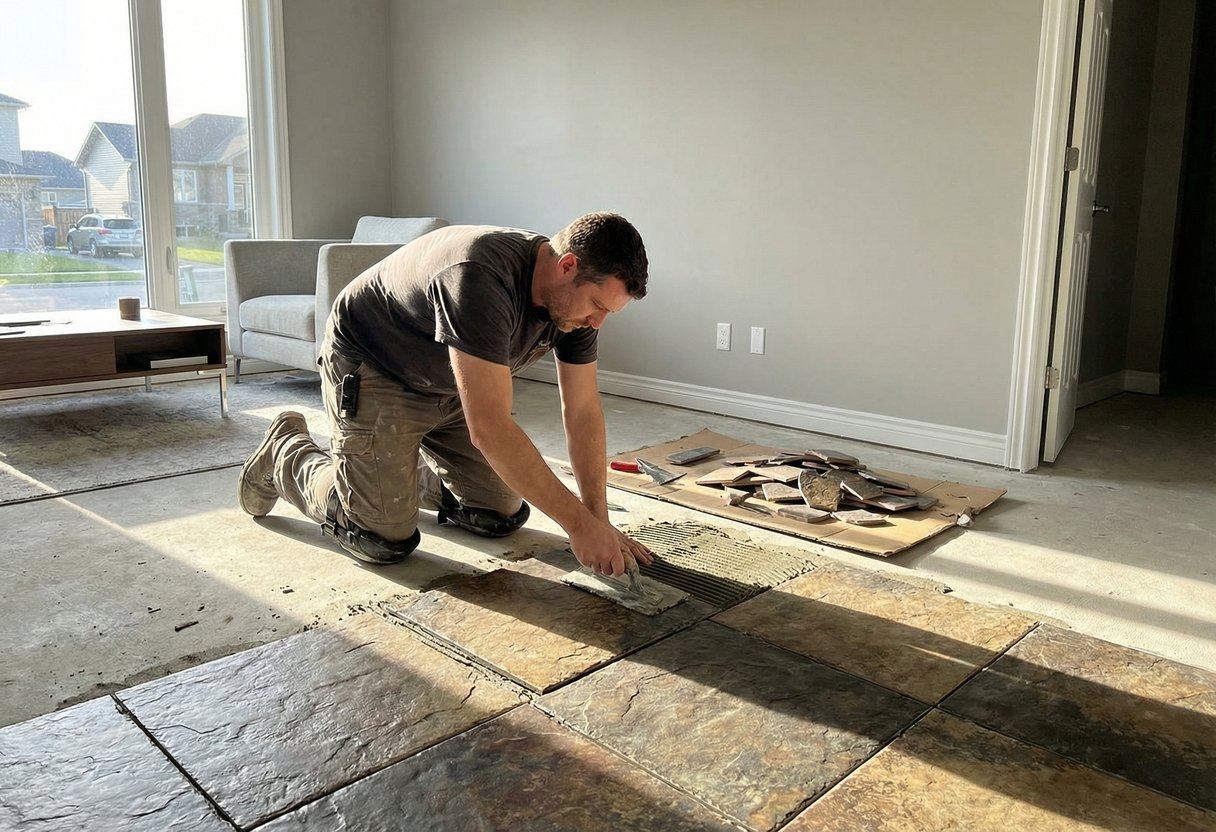
In 2026, tile has a bigger voice, recast by designers as a material with presence and attitude. Scale grows bolder and surfaces turn tactile, shifting focus from mere utility to character. Craft and technology converge to stretch patterns, joints and edges into new territory. Interiors start treating tile as a protagonist rather than background.
The reinvention of the tile
In 2026, the humble tile steps out of the background and into the spotlight. designers are coupling kiln-born craft with high-precision production to create surfaces that feel as good as they look. the result is statement-scale ceramics with pronounced textures, nuanced glazes, and formats that redraw the lines of a room.
- Unable to find buyer, they offer their 1,400-square-foot apartment in a 10-dollars raffle
Unable to find buyer, they offer their 1,400-square-foot apartment in a 10-dollars raffle
- Don’t cut down your dead trees, they’re essential for the survival of many bird species
Don’t cut down your dead trees, they’re essential for the survival of many bird species
Large formats and natural materials
Oversized slabs — 120×120 cm and 120×240 cm — are moving from trade fairs to living rooms, where fewer grout lines mean calmer visuals and easier upkeep. collections inspired by natural stone, from travertine to watery balisian palettes, channel a spa-like quiet that plays well with matte walls and linen upholstery. brands like novoceram push continuity inside and out, using one surface to run from patio to kitchen for a seamless read.
Authentic craftsmanship with a modern twist
Zellige, the hand-cut moroccan tile, returns with its shimmering irregularities and subtle dips that catch light differently across a wall. to maximize the effect, installers favor tone-on-tone grout around 1/16 inch and a dry layout that blends boxes for balanced variation. in contemporary rooms, pairing zellige with sharp millwork or concrete floors creates a high-low tension that feels collected rather than themed.
Tiles as art in living spaces
Designers are tiling far beyond splash zones: sculpted feature walls in living rooms, trimless fireplace surrounds, even stair risers that act like a frieze. deborah osburn has long argued that glaze and relief can turn a tiled plane into a tactile artwork, and studios now amplify that with 3d patterns and metallic finishes. why stop at kitchens and baths when chrome, copper, or brushed steel effects from makers like wow design can lift a bar front or mantel?
- For just €7, this IKEA sensor instantly alerts you when a door or window is opened
For just €7, this IKEA sensor instantly alerts you when a door or window is opened
- I thought my orchid was doomed until this trick revived its bloom in 24 hours
I thought my orchid was doomed until this trick revived its bloom in 24 hours
Innovation and sustainability in materials
Heritage surfaces such as raw terracotta gain new life alongside engineered options that tap recycled aggregates or no-fire composites. materials like la pietra compattata compress mineral fragments into durable tiles, cutting energy use while preserving texture and depth. for homeowners, the equation is simple: distinctive character, credible durability, and a lighter footprint that outlasts trends.