
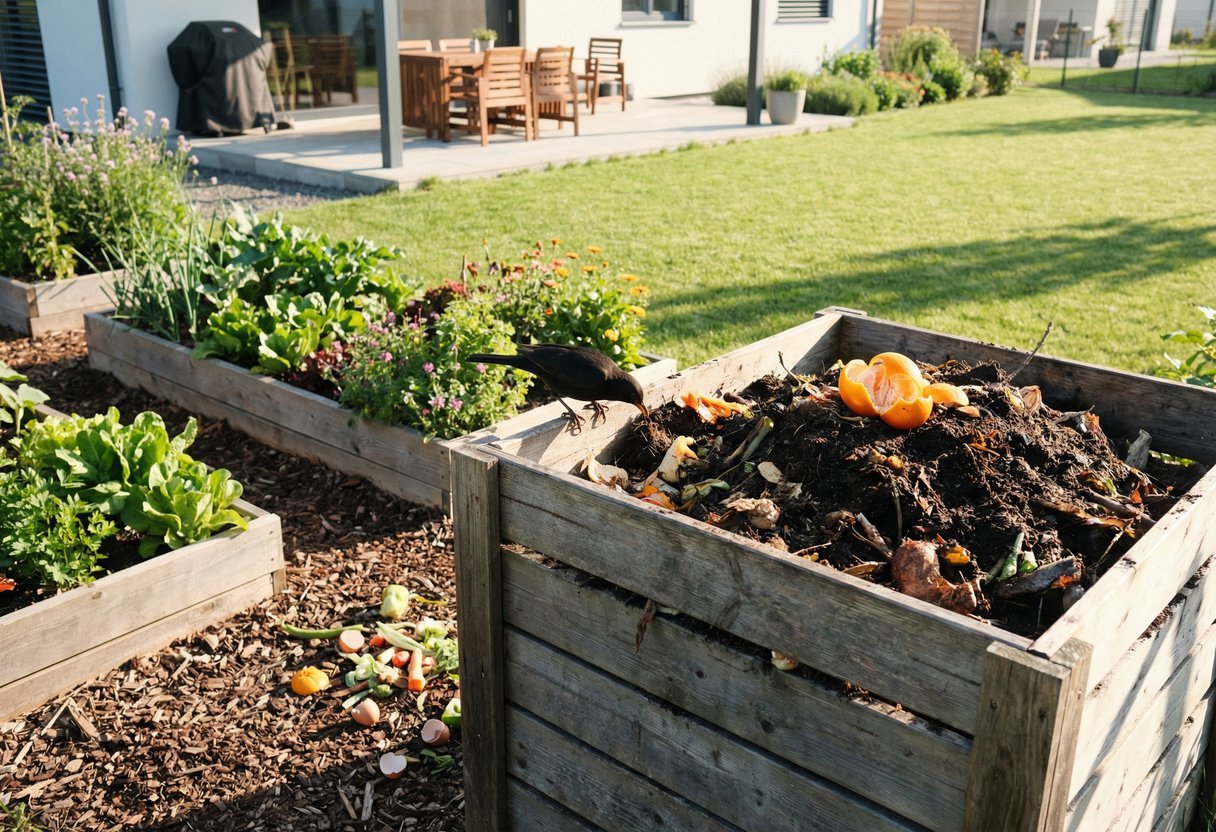
Across backyards, sparrows and blackbirds are picking through compost heaps, flicking peels and leaves aside with brisk efficiency. The spectacle is curious and a touch maddening, yet it is also a signal of what is happening inside that warm layered mix. Their interest hints at what you are feeding the pile and what life it is hosting, and it can invite mess or draw the wrong company. The challenge is to read the clues, curb the temptations, and keep the compost thriving without dulling its ecosystem.
Birds and compost: a surprising scene
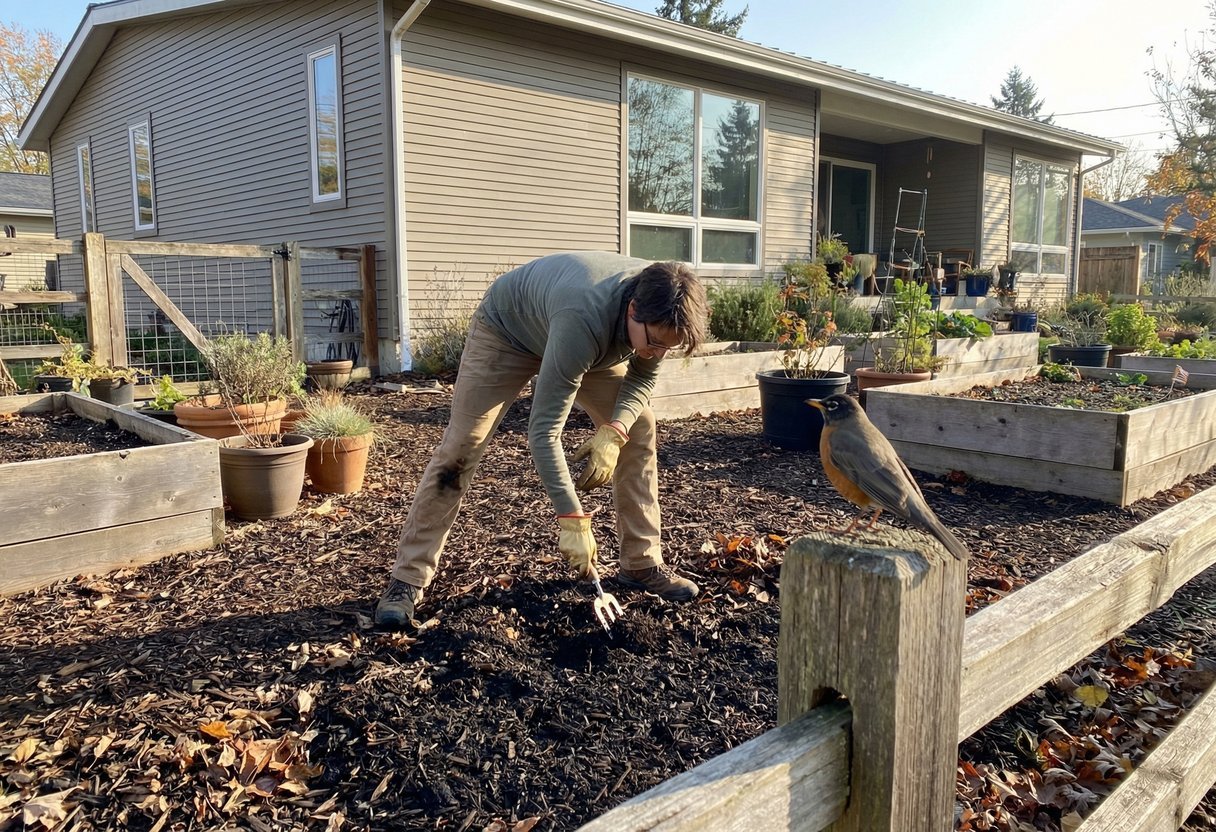
At dawn, a blackbird flicks aside orange peels on a backyard heap, then darts off with a pale grub. Across the Netherlands, home composting has surged, and so have these quick visits from sparrows, robins, and thrushes. What, exactly, are they after among our scraps? Their presence, far from random, can hint at how alive your compost really is.
- Unable to find buyer, they offer their 1,400-square-foot apartment in a 10-dollars raffle
Unable to find buyer, they offer their 1,400-square-foot apartment in a 10-dollars raffle
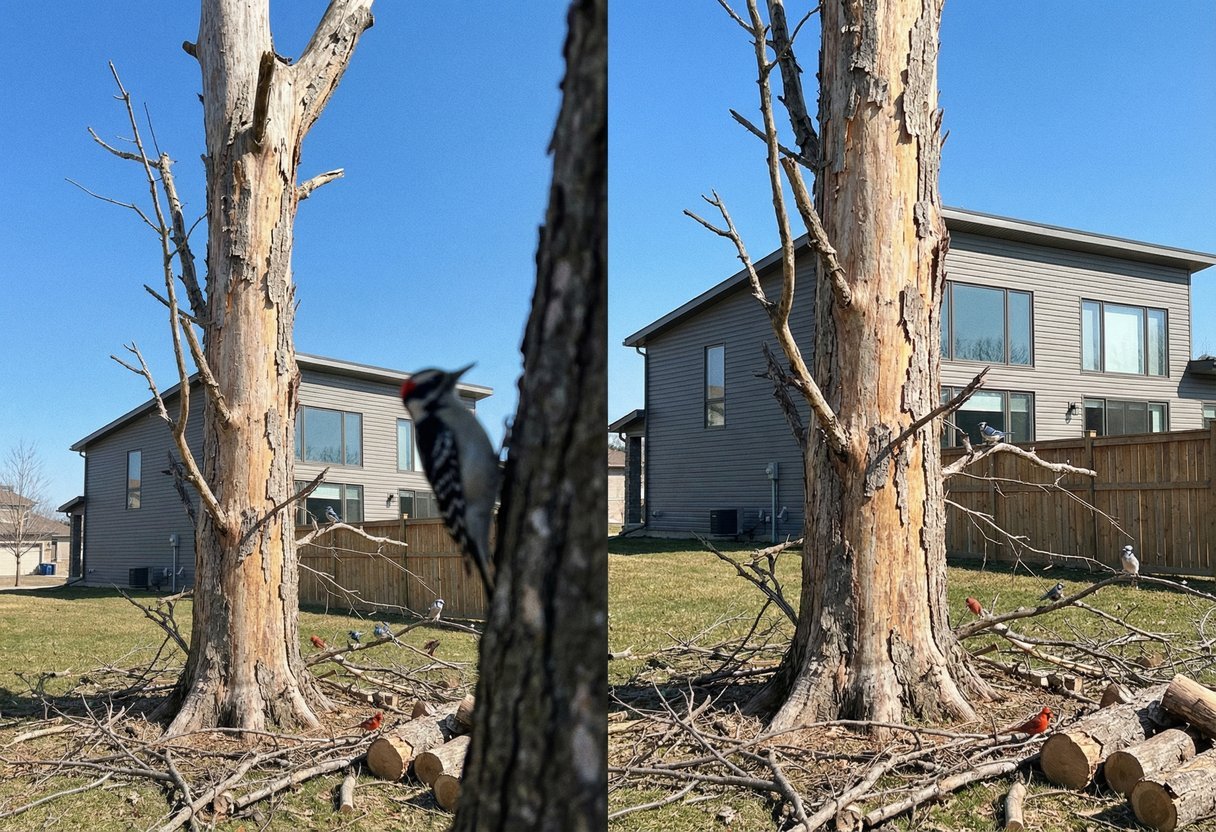
- Don’t cut down your dead trees, they’re essential for the survival of many bird species
Don’t cut down your dead trees, they’re essential for the survival of many bird species
Why birds are drawn to compost
Birds come for what the compost hosts, not the compost itself. A warm, moist pile concentrates beetles, worms, and larvae, plus the occasional fruit skin or seed—easy calories in one small patch. Activity spikes in spring and summer, when adults feed nestlings and energy demands climb. Freshly turned material brings prey to the surface, and a mild, earthy smell signals active decomposition, a magnet for insect hunters.
Sweet scraps, especially overripe fruit, amplify the lure. The scent travels, and a single peckable cluster can draw a flurry of visits. If you notice persistent probing, it often means your pile is biologically busy—good news—though it also asks for steadier management.
Effects on compost and on birds
Light foraging rarely harms a well-kept heap. Most piles keep cooking, even with daily pecks, provided you balance greens and browns and turn material on schedule. The downside is mess: birds can flick peels and cores into beds or paths, and exposed food scraps can encourage rodents in dense neighborhoods.
There are risks for wildlife, too. Shiny bits of plastic film, wires, or staples can injure beaks and feet, and moldy bread or citrus can upset digestion. Glass shards and thorns buried in yard waste add hazards. A safer setup—clean inputs, shredded cardboard instead of glossy paper, and no meat or bread—protects birds while keeping the pile on track.
- For just €7, this IKEA sensor instantly alerts you when a door or window is opened
For just €7, this IKEA sensor instantly alerts you when a door or window is opened
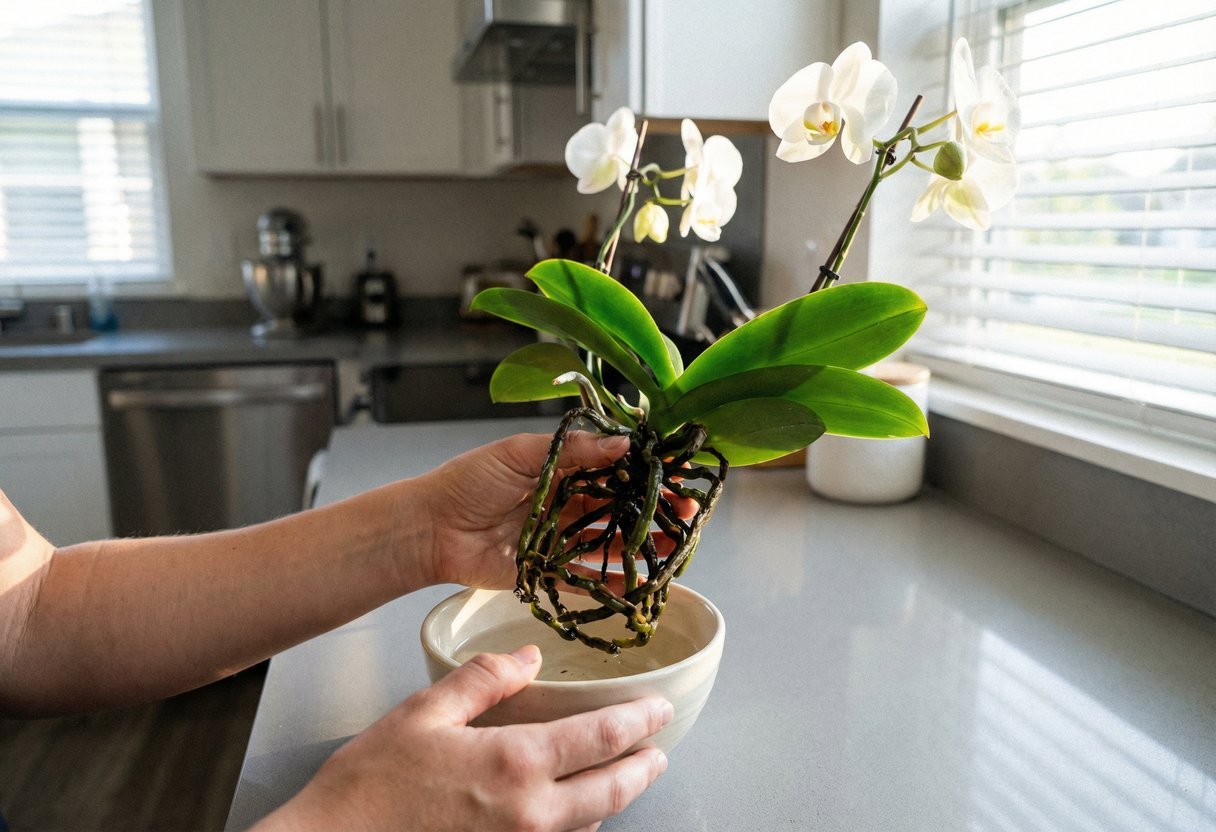
- I thought my orchid was doomed until this trick revived its bloom in 24 hours
I thought my orchid was doomed until this trick revived its bloom in 24 hours
Practical tips for bird‑smart compost
You can reduce rummaging without sterilizing the garden. Aim for steady heat inside the bin, fewer odors at the surface, and fewer edible signals up top. Small tweaks usually change the pattern within days.
- Use a lidded, ventilated bin or a breathable tarp to cover the heap.
- Bury kitchen scraps under 4 inches of browns; skip bread, meat, and oily leftovers.
- Turn weekly in warm months to mix odors inward and disrupt surface prey.
- Keep moisture like a wrung‑out sponge; soggy layers breed swarms near the top.
- Screen inputs for plastic, wire, and glass; chop peels and stalks for faster breakdown.
- Plant a strip of herbs or native shrubs nearby to offer alternative foraging and cover.
With those steps, you protect the composting engine and keep the garden welcoming. The birds will still visit, just less chaotically—and your soil will thank you for it.