
Cold mornings are unforgiving for the robin, when ice seals off its usual hunting grounds and energy runs low fast. A small morning habit in the garden can tip the balance for these insect eaters, and it is simpler than you might think. With insectivorous birds in marked decline according to studies from the Muséum national d’Histoire naturelle, every backyard now carries quiet ecological weight. Specialists and the LPO urge practical, no-chemical, wildlife-friendly steps that help robins keep pace with winter’s demands.
A cold winter full of challenges
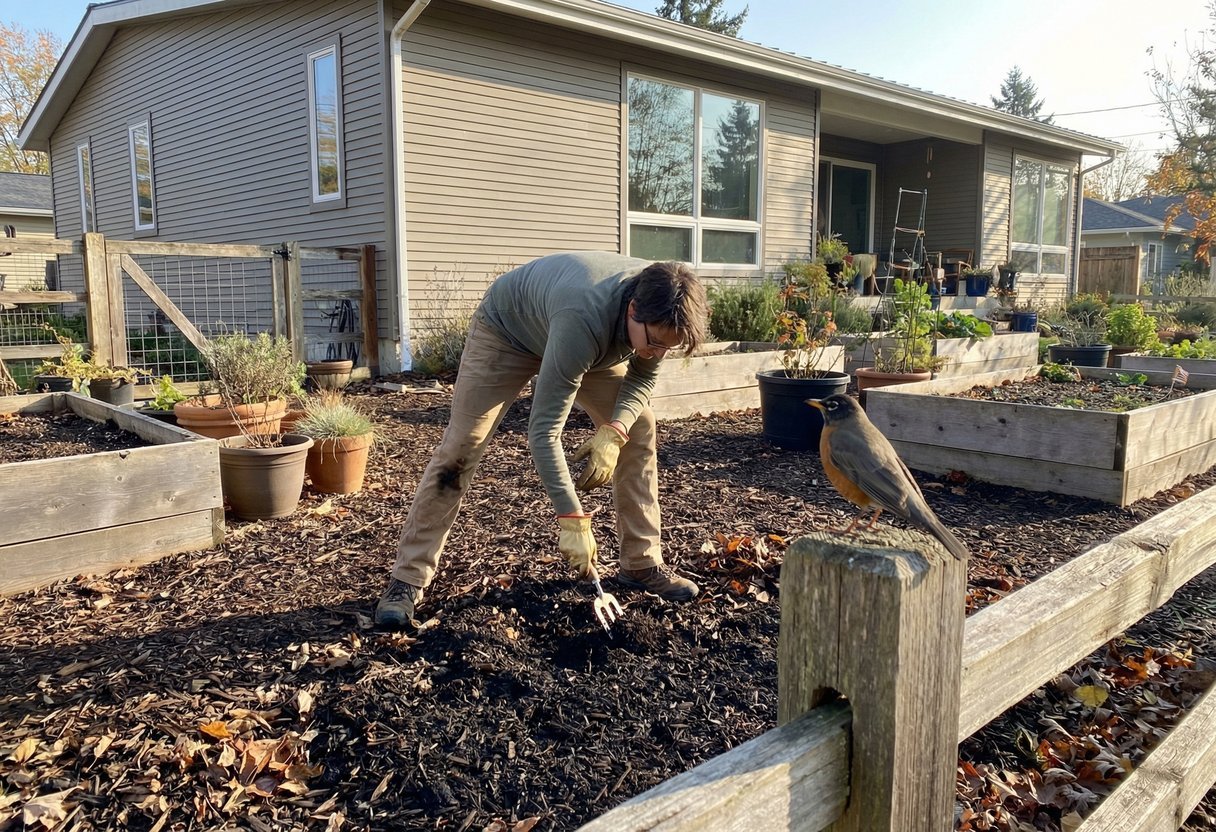
At dawn, a robin stands on a crusted lawn, tilting its head for the faintest twitch of life beneath the frost. Winter strips gardens of insects, hardens soil, and squeezes the margins for small birds that feed on what the ground releases. Energy runs tight after long, freezing nights, and any delay in breakfast has a cost. How much difference can a 5-minute habit make?
- Unable to find buyer, they offer their 1,400-square-foot apartment in a 10-dollars raffle
Unable to find buyer, they offer their 1,400-square-foot apartment in a 10-dollars raffle
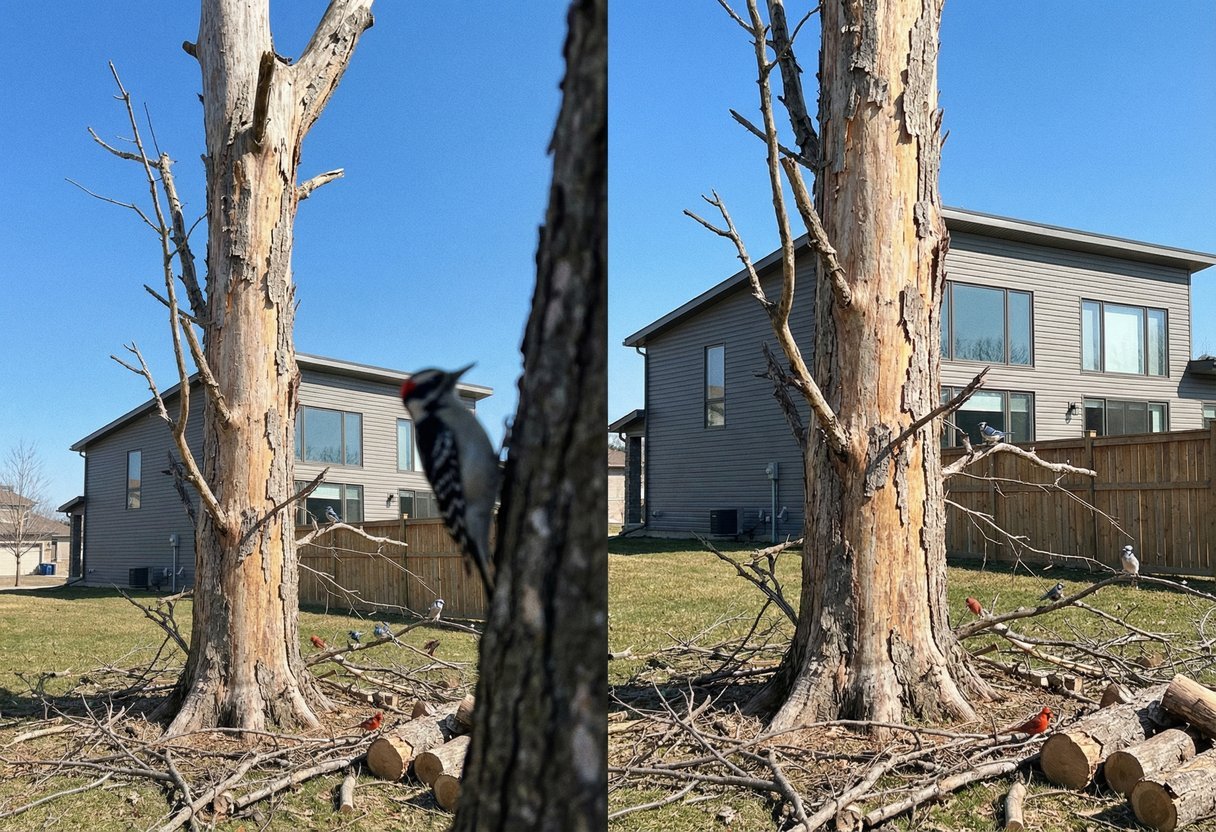
- Don’t cut down your dead trees, they’re essential for the survival of many bird species
Don’t cut down your dead trees, they’re essential for the survival of many bird species
What the robin needs
Robins are ground hunters, picking through loose soil, leaf litter, and shallow roots for worms, beetles, larvae, and spiders. When the surface freezes, that pantry locks shut. Experts from the LPO and France’s Muséum national d’Histoire naturelle note that even a 1–2 gram dip in body weight can push a robin into danger. Some studies suggest a cold night can shave off up to 10 percent if no food is found before dusk.
One simple act that matters
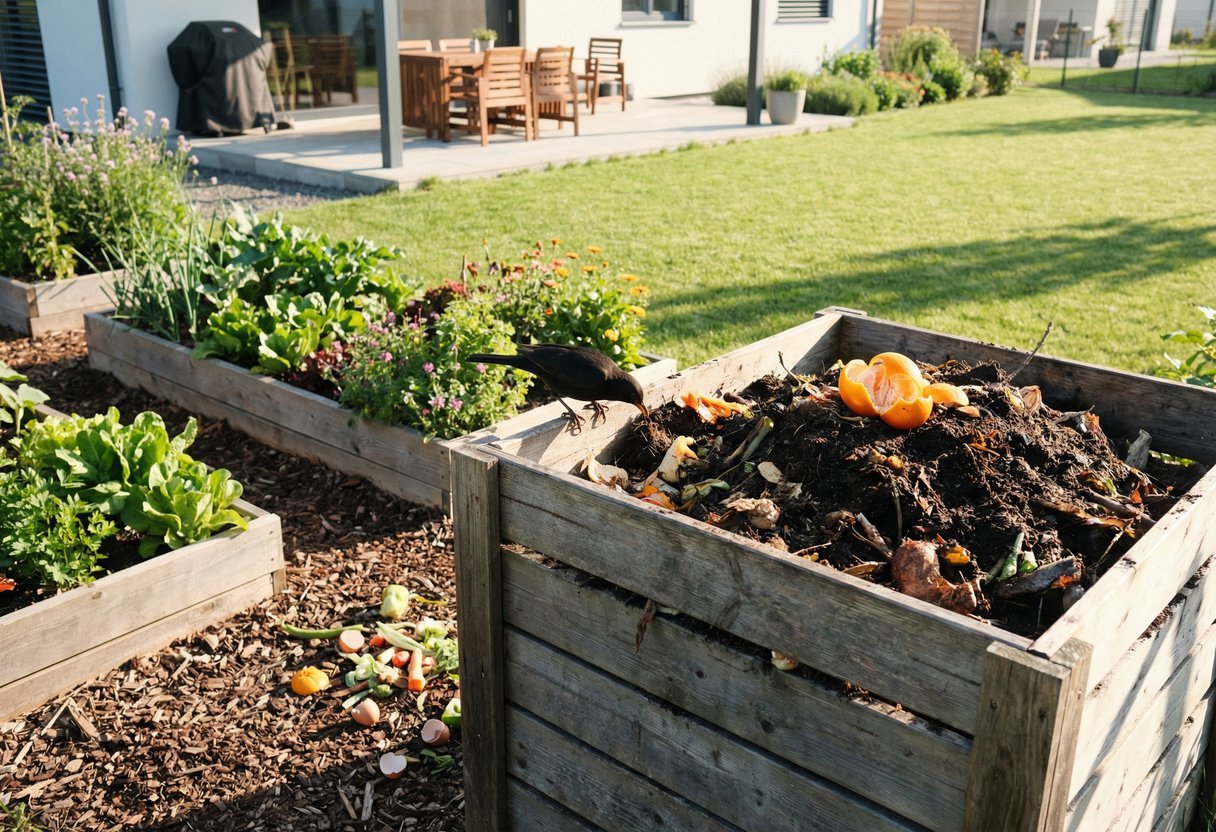
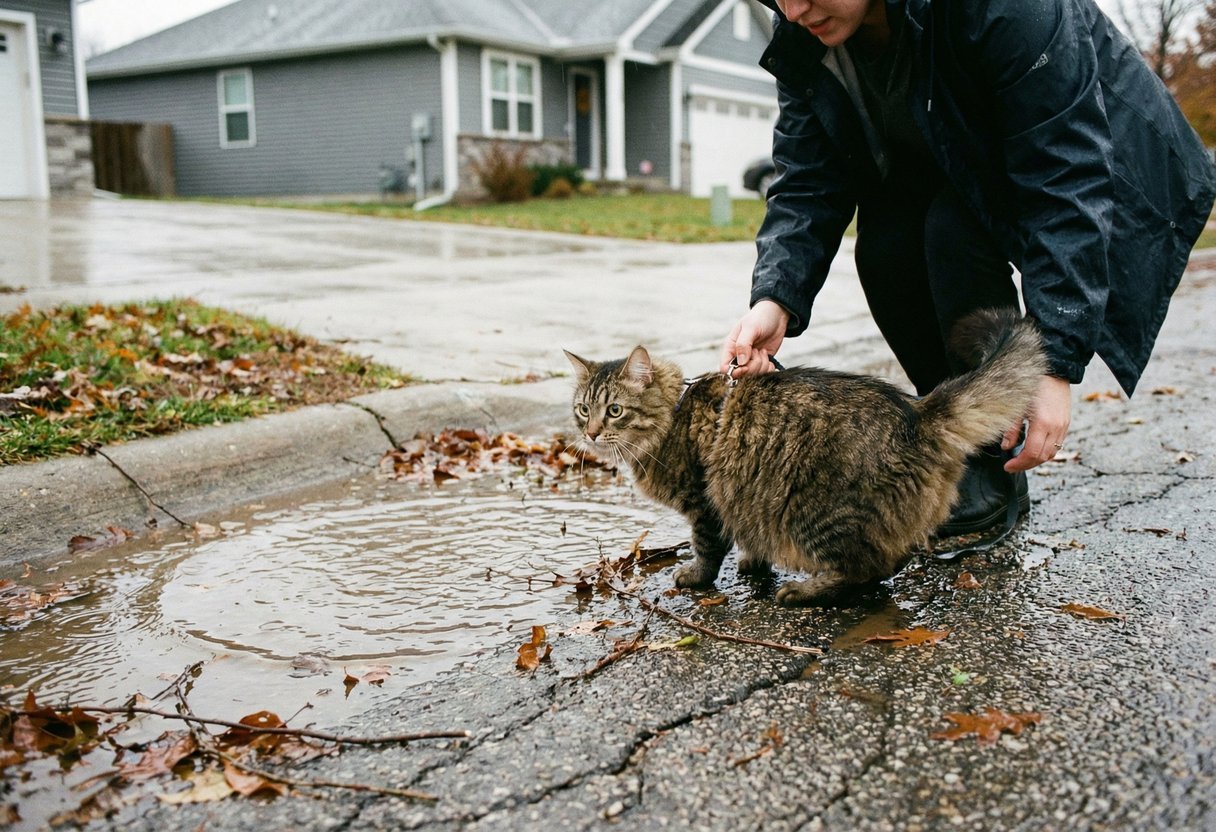
Create a small, pesticide-free corner where the soil stays alive. Each morning, loosen a patch of ground and lift the crust so invertebrates surface again. Keep it near cover, away from prowling cats, and feed the microfauna with leaf litter and natural compost. This is not hand-feeding; it’s restoring access to real food in a living substrate.
- Pick a spot that catches early sun to speed thaw.
- Turn about 40 × 40 cm daily with a hand fork.
- Leave leaves and mulch; they shelter vital insects.
- Avoid chemicals that sterilize soil and kill prey.
Do more for biodiversity
Robins are sentinels for the health of your soil. When they visit, it often means your micro-ecosystem is working. The Muséum has tracked declines in insectivores as soil life ebbs under paving, pesticides, and drought. Small fixes compound: native shrubs that host caterpillars, a shallow water dish refreshed daily, and seasonal messiness that lets invertebrates overwinter. The LPO’s guidance is consistent: feed habitats, not just birds.
- For just €7, this IKEA sensor instantly alerts you when a door or window is opened
For just €7, this IKEA sensor instantly alerts you when a door or window is opened
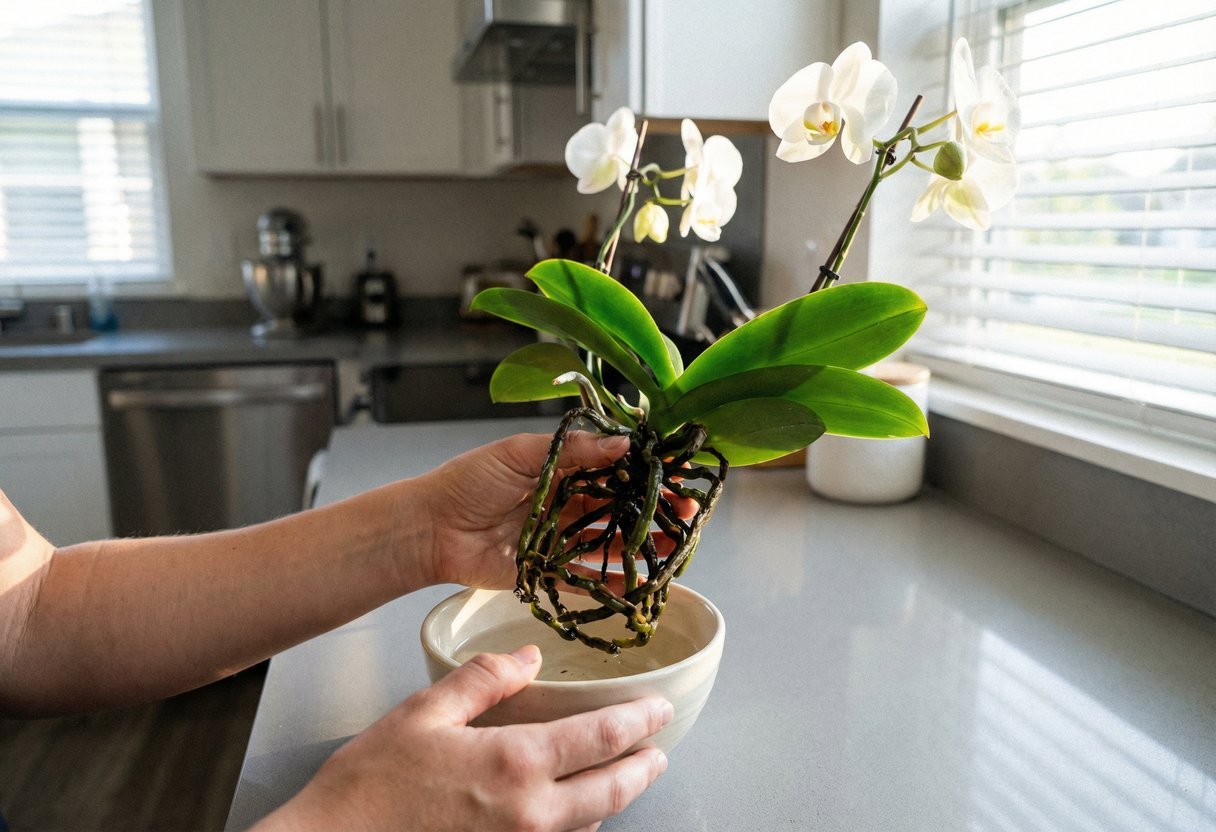
- I thought my orchid was doomed until this trick revived its bloom in 24 hours
I thought my orchid was doomed until this trick revived its bloom in 24 hours
Make a welcoming garden
Set a quiet routine. Spend 5 minutes each morning loosening that square of earth, then step back a few meters and wait. Robins learn quickly; they will return to the same spot once they recognize it as reliable. Keep pets indoors at dawn, when birds feed hardest, and let the ground stay a bit untidy. It’s a small trade: you offer a living patch, and the robin answers with its bright winter song.