
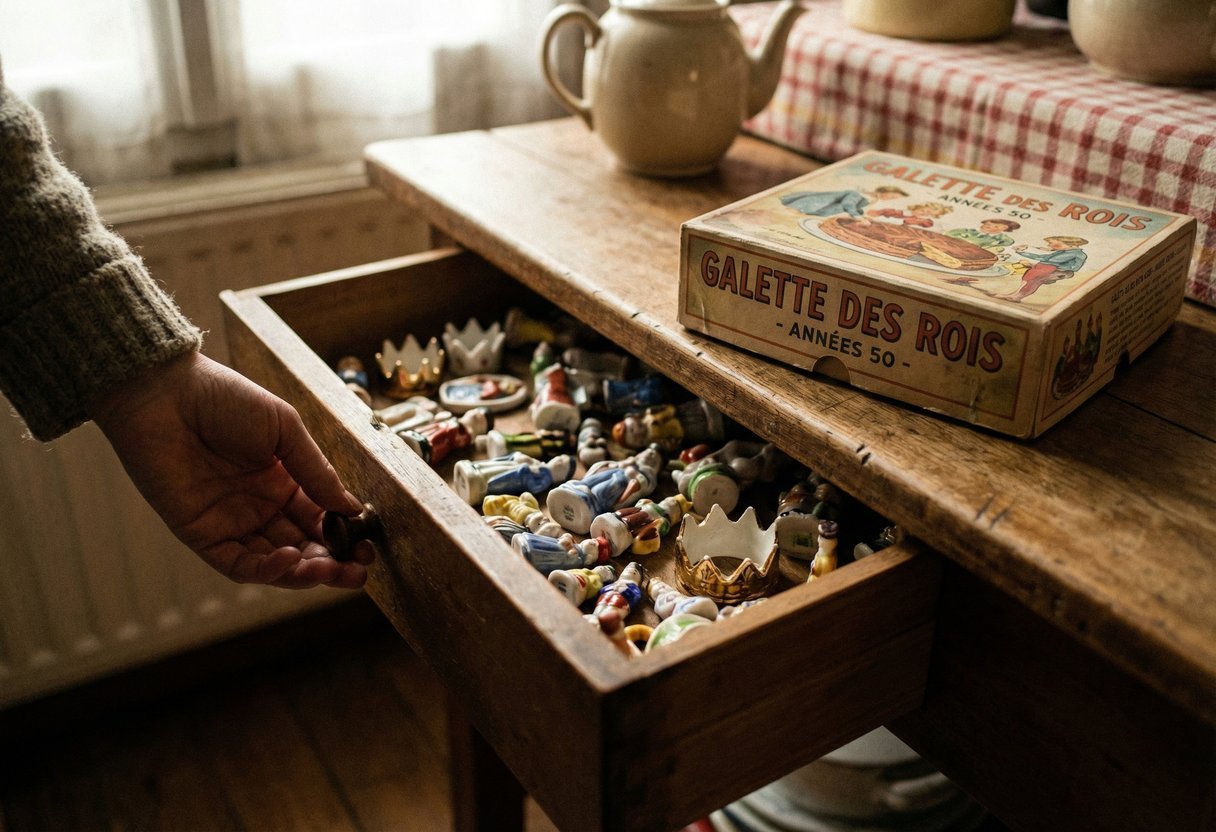
January brings the galette des rois to countless tables, and inside it a porcelain token that carries centuries of custom. Once a simple bean tied to Saturnalia and later Epiphany, the fève has evolved into miniature art that sparks fierce devotion among fabophiles. Pieces from the 1950s now sit at the heart of a buzzing vintage market, their appeal driven by nostalgia and scarcity. For newcomers, starting is straightforward: from bakery counters to flea markets, this niche stays accessible.
The tradition around the fève and the galette des rois
Every January, a flaky galette des rois hides a surprise: a fève, once a simple bean. In Roman Saturnalia, a bean tucked into a cake could briefly elevate the finder to “king,” a playful inversion of power that echoed through winter festivities.
- Unable to find buyer, they offer their 1,400-square-foot apartment in a 10-dollars raffle
Unable to find buyer, they offer their 1,400-square-foot apartment in a 10-dollars raffle
- Don’t cut down your dead trees, they’re essential for the survival of many bird species
Don’t cut down your dead trees, they’re essential for the survival of many bird species
By the Middle Ages, the practice had fused with Epiphany and spread across Europe. The edible bean slowly gave way to porcelain figures, and by the 19th century tiny saints and symbols slipped into pastries became a seasonal ritual—crowns for a day, and memories that lasted much longer.
The hidden value of 1950s fèves
From the 1950s, bakers and manufacturers upgraded the trinket from haricot to hand-painted porcelain. Workshops rolled out miniature figures with crisp glazes and bright palettes: classic characters, regional costumes, trades, even early pop culture nods. Each piece was designed to survive the oven—and charm the table.
Collecting turned the game into a market. Scarce 1950s pieces in excellent condition can fetch more than 300 euros, while limited or numbered editions climb higher. Full sets—especially if boxed and intact—can command several hundred to 2,000 euros on specialist sites and at niche fairs. How did a pastry prize become a micro-asset? Rarity, nostalgia, and the thrill of completing a series.
- For just €7, this IKEA sensor instantly alerts you when a door or window is opened
For just €7, this IKEA sensor instantly alerts you when a door or window is opened
- I thought my orchid was doomed until this trick revived its bloom in 24 hours
I thought my orchid was doomed until this trick revived its bloom in 24 hours
Fabophiles: the passionate collectors
Fabophiles, as fève enthusiasts call themselves, trade more than objects; they trade stories. Many begin with a childhood memory of a paper crown, then chase down the figurine that got away. The entry point remains friendly: you can still find charming pieces for 2 to 10 euros at brocantes, flea markets, and church sales, where old bakery stock occasionally surfaces.
Newcomers often start locally. Ask bakers which galettes hide original designs, scan supermarket boxes for seasonal themes, and watch for partnerships that spawn short-run series. Online marketplaces offer breadth but demand vigilance: verify paint quality, maker’s marks, and whether a glaze looks overfired or retouched. Serious collectors keep a simple log—year, series, condition—and store pieces in shallow display cases, where dust and sunlight won’t dull that tiny splash of January magic.