
Washing machines are notoriously rough on wool: heat and agitation can turn a favorite knit limp and scratchy. An old Scandinavian practice is resurfacing, promising a cleaner result while treating delicate fibers with respect. It fits the push for low impact care, extending the life of garments without stripping away what makes them soft. Leading the charge is Helene Myhre Østervold, who is spotlighting a simple cold weather technique that keeps knits fresh and their structure intact.
Farewell washing machine: a free way to clean and protect wool
As winter settles, Scandinavians carry wool sweaters into the snow instead of toward a humming washer. The reason is simple: machines can rough up delicate fibers, while handwashing demands time and care you rarely have. The hunt for a gentler, lower-impact routine has revived a quiet classic from the north: an old technique known as snow washing.
- Unable to find buyer, they offer their 1,400-square-foot apartment in a 10-dollars raffle
Unable to find buyer, they offer their 1,400-square-foot apartment in a 10-dollars raffle
- Don’t cut down your dead trees, they’re essential for the survival of many bird species
Don’t cut down your dead trees, they’re essential for the survival of many bird species
A stubborn problem: washing wool
Wool promises softness, warmth, and a certain understated luxury. It also pills, stretches, and felted disasters happen when agitation and heat collide. That tension has pushed many to rethink maintenance habits and look beyond detergent aisles. Could a fresh snowfall replace your detergent?
What is snow washing?
Norwegian creator Helene Myhre Østervold has helped popularize the method online, drawing on traditions that predate the utility room. The premise is clear and oddly elegant: clean, cold snow acts as a natural cleaner, lifting odors and surface grime while leaving lanolin, wool’s protective wax, intact. In communities far from laundromats, similar practices preserved costly garments season after season.
How it works
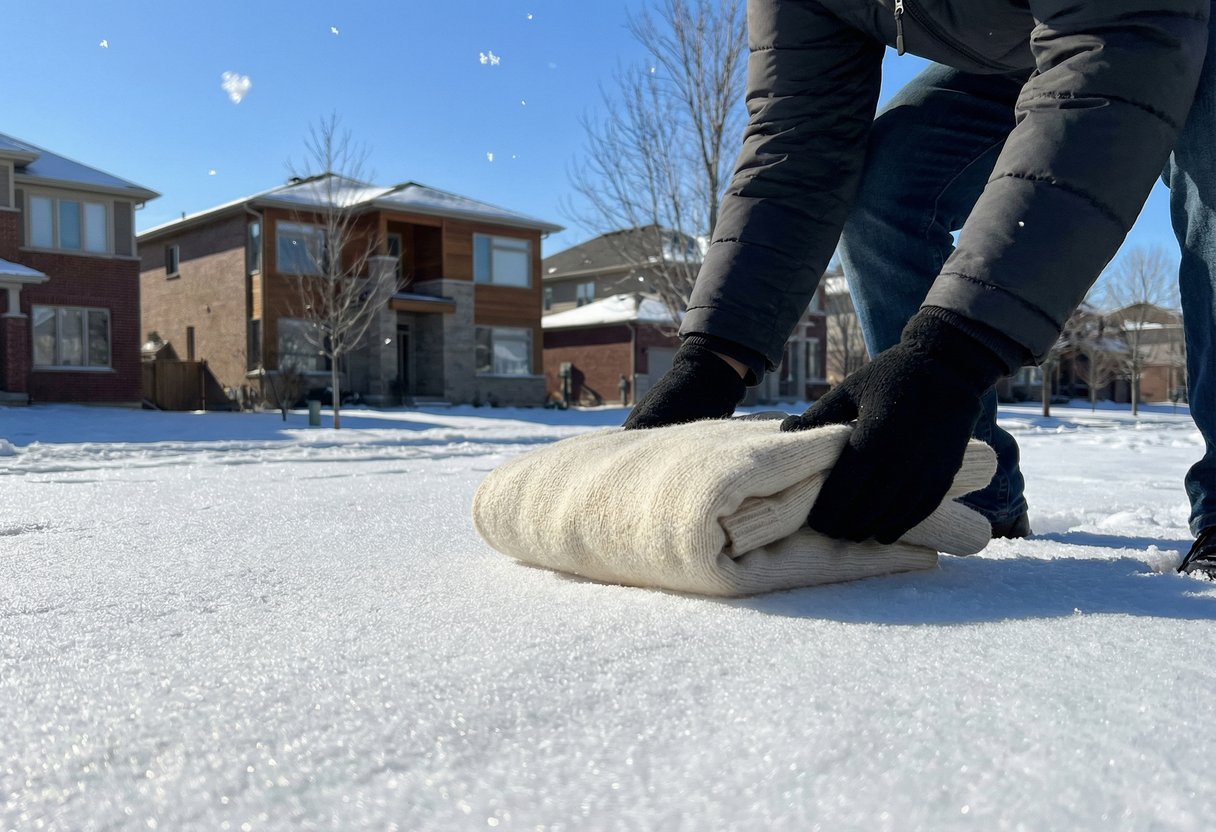
Choose fresh, untouched snow. Lay the wool item flat on the surface, then lightly cover it with more snow, as if dusting with flour. Leave it for a few hours, then lift the piece, shake it out, and brush away residue with a soft brush. Dry flat at a stable room temperature; avoid radiators and hanging, which can stretch fibers.
Do not let pieces freeze rock-hard in severe cold or sit long enough to become waterlogged. The cold helps suppress bacteria and pests, while the snow’s light moisture carries off dust and lingering odors. Done patiently, the fabric’s hand stays supple because the fiber scales are never battered by a spin cycle.
The benefits of an old-new approach
- Longer life: Minimal friction keeps fibers intact, reducing pilling and thinning.
- Lower impact: No chemicals, no electricity, and far less water.
- Fiber health: Preserving lanolin maintains softness, resilience, and shape.
It fits Østervold’s broader message: simple methods that respect natural materials can outlast trends and machines alike.
- For just €7, this IKEA sensor instantly alerts you when a door or window is opened
For just €7, this IKEA sensor instantly alerts you when a door or window is opened
- I thought my orchid was doomed until this trick revived its bloom in 24 hours
I thought my orchid was doomed until this trick revived its bloom in 24 hours
Tips and caveats
Always use clean, pristine snow; urban slush can carry soot and road grit. Keep fabric from soaking through, which slows drying and risks distortion. Dry flat on a towel, reshaping gently as it returns to form. And remember: wool thrives on airing out and doesn’t need frequent washing—1 or 2 times per season is often enough for sweaters worn with layers.
When snowfall is rare, you can mimic the approach by airing knits in cold, dry weather. The point stands either way: treat wool gently, and it will return the favor for years.