
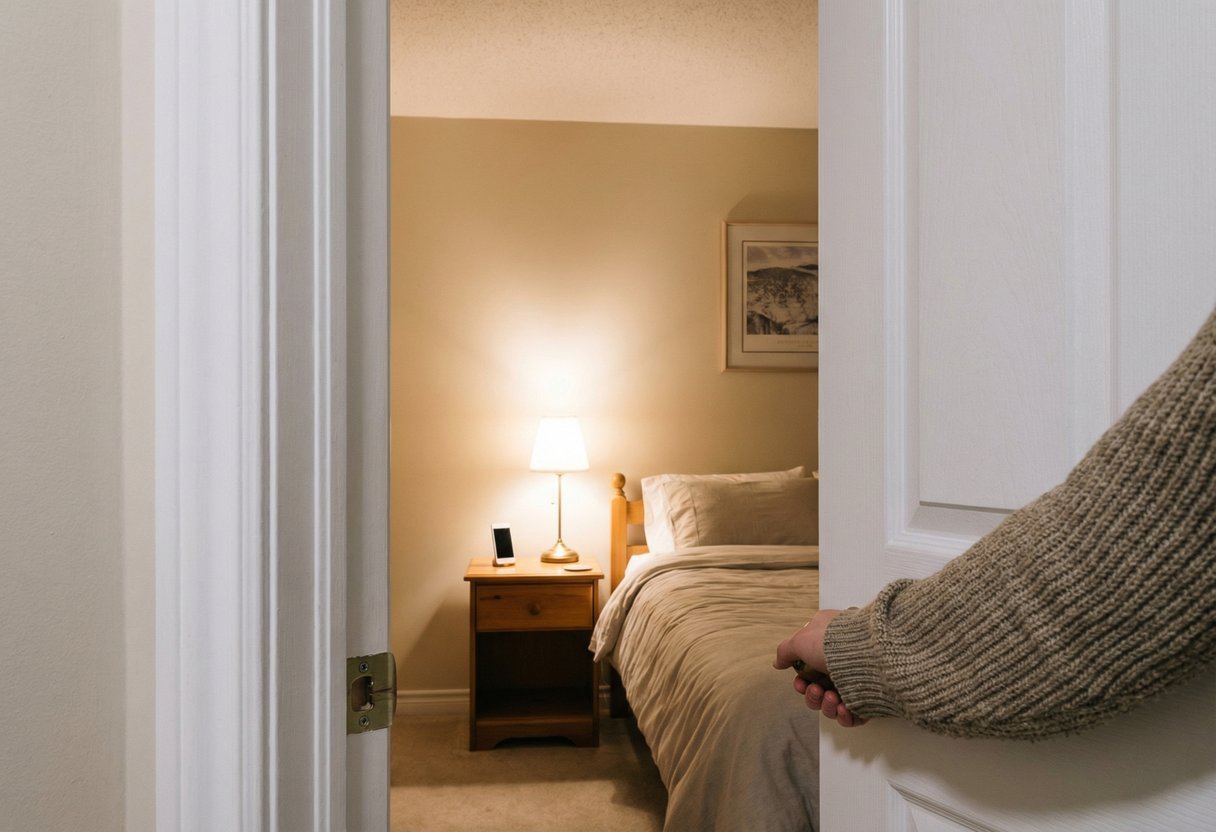
The way you leave your bedroom door at night is not just about privacy, it can shape what happens if your home faces smoke, heat or an unwelcome disturbance. Fire researchers have recorded striking differences in temperature and carbon monoxide levels based on that single choice. There are implications for security as well, the kind that can buy you precious time when every second matters. A habit this simple deserves a second look before you switch off the light.
a simple choice can save lives
You switch off the light, the hallway hum fades, and silence settles. The last decision before sleep is deceptively small: door open or closed? How much could a bedroom door really change overnight? Fire-safety researchers say the difference is stark, because a closed door slows smoke, heat, and toxic gases—buying the one thing people rarely have in a fire: time.
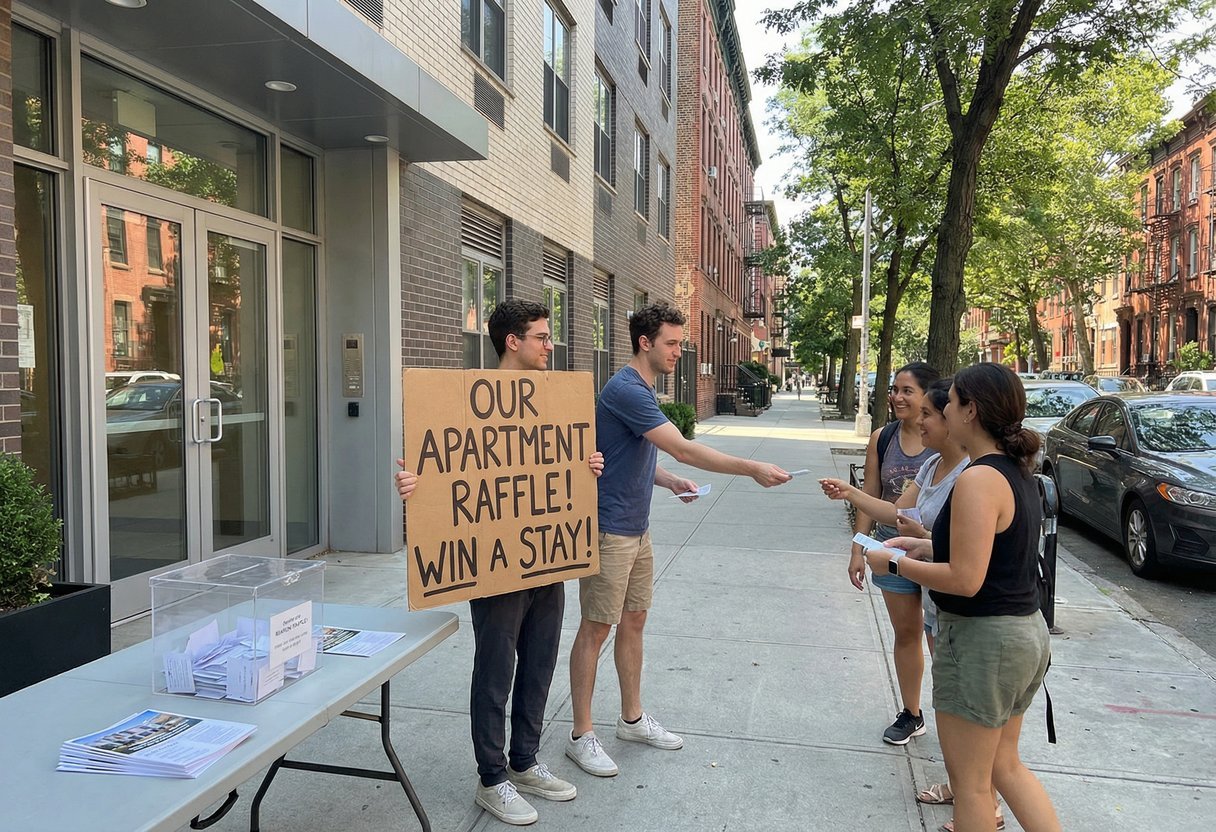
- Unable to find buyer, they offer their 1,400-square-foot apartment in a 10-dollars raffle
Unable to find buyer, they offer their 1,400-square-foot apartment in a 10-dollars raffle
- Don’t cut down your dead trees, they’re essential for the survival of many bird species
Don’t cut down your dead trees, they’re essential for the survival of many bird species
protection against smoke and heat
Smoke kills more often than flames, and it moves fast. Full-scale burn tests in furnished homes show bedrooms with a closed door can remain near 100°F, while open-door rooms spike to 1,000°F or more, with carbon monoxide surging to 6,000–10,000 ppm when the door is open versus roughly 100–600 ppm behind a closed one. Modern fires can become deadly in 2–3 minutes; a shut door helps keep air cooler and more breathable long enough to wake, orient, and escape.
research shows: open means more danger
Fire feeds on oxygen and pathways. An open bedroom door gives both: a direct channel for superheated gases and a draft that accelerates spread into sleeping areas within minutes. Close that door and you create a passive barrier that slows the flow and keeps conditions tenable longer, giving firefighters a chance to advance and you a margin to crawl low, follow your plan, and get out. Departments nationwide now fold this advice into standard prevention campaigns for a reason.
smart protection against intruders
There’s another layer of safety at stake. Most burglars seek speed and silence; an interior door adds delay, noise, and uncertainty. A closed bedroom door forces extra steps—testing the knob, trying a hinge, perhaps moving on—which can be enough time to call 911, turn on lights, or retreat to a safer position. It isn’t a vault, but it is friction, and friction is often a deterrent.
- For just €7, this IKEA sensor instantly alerts you when a door or window is opened
For just €7, this IKEA sensor instantly alerts you when a door or window is opened
- I thought my orchid was doomed until this trick revived its bloom in 24 hours
I thought my orchid was doomed until this trick revived its bloom in 24 hours
small habits, big impact
Build a simple nighttime routine: close every bedroom door, test smoke alarms monthly, and keep a phone and flashlight at the bedside. Place working alarms inside each bedroom and in hallways, and sketch a 2-exit plan for every room. Teach kids to sleep with doors shut, and remind guests to do the same. The habit takes seconds, costs nothing, and turns a thin slab of wood into a powerful safety tool while you sleep.