
Opening the windows seldom fixes persistent indoor damp, which chips away at comfort and indoor air quality. Many households lean on plug in dehumidifiers, yet the results can be noisy, pricey or underwhelming. From Japan comes a pared back alternative that relies on natural materials to steady moisture levels, working silently and off grid. Its appeal sits at the crossroads of ecology and economy, and it is increasingly easy to find for everyday homes.
Moisture at home: a silent culprit
Windows fog, closet doors stick, and a musty note lingers when indoor humidity climbs past 60 percent. Electric dehumidifiers can help, but they hum, sip power all day, and demand constant emptying. Could a silent pouch of bamboo charcoal do better? A centuries-old Japanese approach suggests yes, using a material that regulates air without plugs, filters, or fuss.
- Unable to find buyer, they offer their 1,400-square-foot apartment in a 10-dollars raffle
Unable to find buyer, they offer their 1,400-square-foot apartment in a 10-dollars raffle
- Don’t cut down your dead trees, they’re essential for the survival of many bird species
Don’t cut down your dead trees, they’re essential for the survival of many bird species
What is takesumi?
Takesumi is bamboo charcoal fired at extremely high temperatures, a craft rooted in traditional Japanese kilns. That heat builds an ultra-porous structure that excels at adsorption, a process where water molecules and odors cling to the charcoal’s vast internal surface. The result is a natural, durable air scrubber that quietly tempers damp and tames smells.
How it works
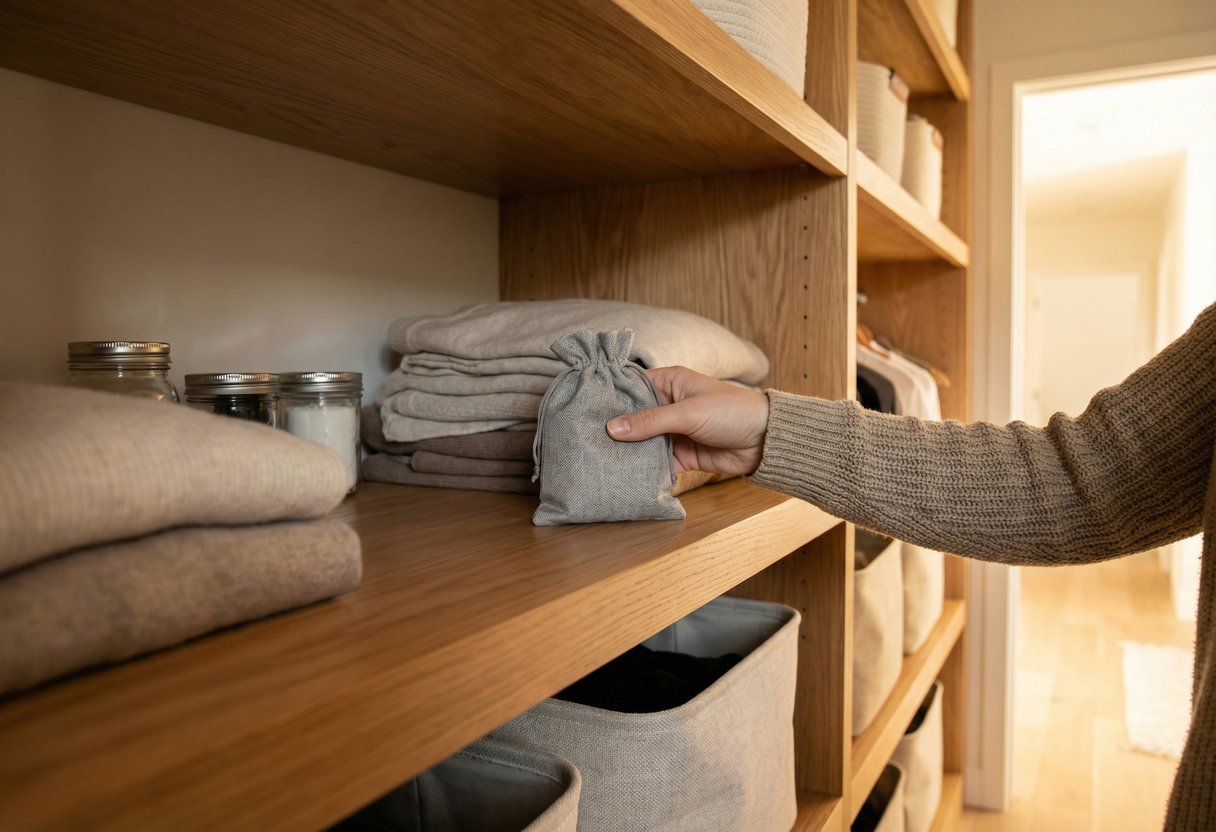
Takesumi is fully passive: place pouches in bathrooms, basements, entryways, or closets and they start absorbing excess moisture from the air. There’s no electricity, no noise, and hardly any upkeep. When capacity dips, set the charcoal in direct sunlight for a few hours to release trapped moisture and restore performance. With periodic sun refreshes, a quality pouch can remain effective for up to 2 years.
A sustainable choice with extra benefits
Because it runs on ambient conditions and sunlight, takesumi avoids the energy use and plastic waste tied to plug-in units and disposable chemical absorbers. At end of life, crush and mix it into potting soil or garden beds to help aeration and microbial activity. Costs are modest: a pouch suited to an average room typically ranges from €15 to €25, and you can redeploy it across seasons as needs shift. One material, multiple lives, minimal footprint.
- For just €7, this IKEA sensor instantly alerts you when a door or window is opened
For just €7, this IKEA sensor instantly alerts you when a door or window is opened
- I thought my orchid was doomed until this trick revived its bloom in 24 hours
I thought my orchid was doomed until this trick revived its bloom in 24 hours
Where to find it
Takesumi has moved from niche import to practical staple in eco-minded households. In the Netherlands, you’ll find it at specialized ecological retailers, zero-waste shops, and online platforms focused on sustainable home goods. Look for untreated bamboo charcoal in breathable fabric bags, check weight and recommended room size, and rotate placements from wardrobe to bathroom when humidity spikes after showers or storms.