
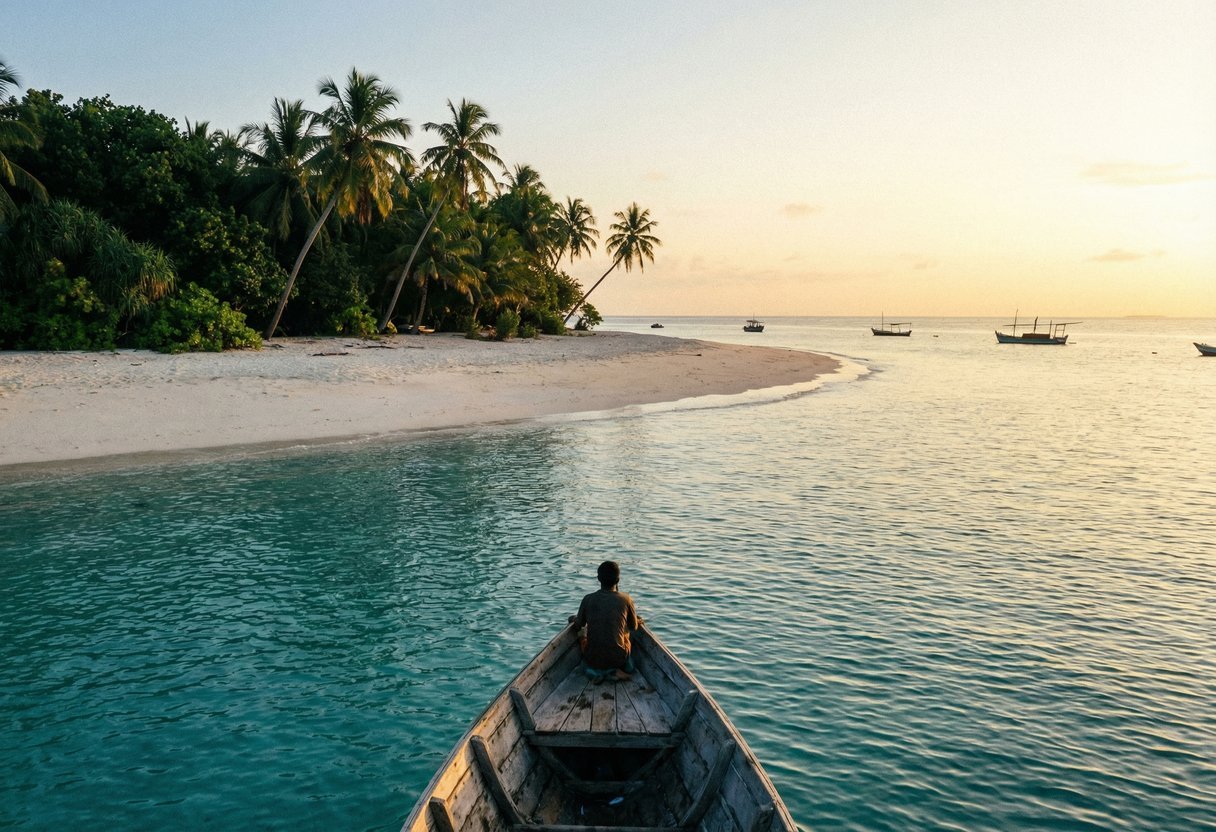
In the Dominican Republic’s Samaná Bay sits Cayo Levantado, better known as Bacardi Island, a name etched by a 1970s rum commercial. Palm forest folds into pale sugar sand and water as clear as glass, a setting that feels both cinematic and lived in. Days here lean toward simple pleasures: snorkeling over bright reefs, tasting pescado con coco and hot yaniqueques, watching for whales when they pass. Getting there is easy once you are in the country, a short ride across the bay, yet its calm depends on thoughtful travel and care for a delicate ecosystem.
The secret of cayo Levantado
At first light in Samaná Bay, a small skiff noses toward a crescent of white sand and whispering palms. Locals call it Cayo Levantado, but you may know its silhouette from a Bacardi rum commercial that looped around the globe. How did a beach this familiar stay so quiet for so long? The answer sits in the hush between the waves: a place that rewards the curious and leaves the rest to bigger islands.
- Unable to find buyer, they offer their 1,400-square-foot apartment in a 10-dollars raffle
Unable to find buyer, they offer their 1,400-square-foot apartment in a 10-dollars raffle
- Don’t cut down your dead trees, they’re essential for the survival of many bird species
Don’t cut down your dead trees, they’re essential for the survival of many bird species
A paradise of history and nature
Cayo Levantado, the so‑called “Bacardi Island,” lies just off the Dominican Republic’s northeast coast. The 1970s campaign stamped its image into popular culture, yet mass tourism never fully settled here. Dense tropical greenery frames translucent shallows where the water glows like cut glass, especially under a high sun and balmy air near 86 degrees. The scene feels intimate, almost private, with only small boats tracing the horizon.
What to do on cayo Levantado
Slip on a mask and you’re in a gallery of reef fish, darting beneath ribbons of light. After a swim, order pescado con coco or crisp yaniqueques from a beachside stand and let the spice and coconut do their work. Day trips fold in Los Haitises National Park, with mangroves, Taino rock art, and karst towers that rise like green domes from the sea. From December to March, boats head into the bay to watch humpbacks breach and tail‑slap, a spectacle that lingers well after the ride back.
How to get there
Most international flights land in Santo Domingo or Punta Cana. From either airport, the road to the town of Samaná takes roughly 2.5 to 4 hours by bus or rental car, a route of switchbacks, roadside fruit stands, and sudden ocean views. At the Samaná pier, a water taxi crosses to Cayo Levantado in about 15 minutes, the island appearing and disappearing behind bursts of spray. The last stretch by boat is short, but it sets the tone: low‑key, unrushed, and firmly tied to the water.
- For just €7, this IKEA sensor instantly alerts you when a door or window is opened
For just €7, this IKEA sensor instantly alerts you when a door or window is opened
- I thought my orchid was doomed until this trick revived its bloom in 24 hours
I thought my orchid was doomed until this trick revived its bloom in 24 hours
The price of authenticity
There are no sprawling high‑rises here, just small hotels and day visitors who cycle in and out with the tide. That restraint is fragile. Guides ask travelers to carry out trash, skip coral‑breaking anchors, and favor reef‑safe sunscreen—small choices that keep the lagoon clear and the beach untroubled. Treat Cayo Levantado as the locals do, with respect for the sea and the quiet it protects, and you’ll find an island that still feels like a whispered tip passed from friend to friend.