
Tea is more than a warm cup at the end of the day: its remnants can quietly pull double duty around the house. Reimagining used tea bags taps into a growing appetite for low waste habits, trimming dependence on harsh cleaners. The shift is simple and budget friendly, yet it resonates with the push for practical eco responsibility. From sink to soil, this small rethink turns a daily habit into smart housekeeping.
From warm drink to surprising cleaning help
A used tea bag usually heads straight for the trash after the last sip at the table. Stop there: that small pouch holds a second act in cleaning, from dishes to wood and fabric. Tea’s tannins, mild acidity, and trace oils prove unexpectedly useful on everyday surfaces, especially where grease lingers. Who knew a spent tea bag could do that, tucked beside the sink instead of the bin most days?
- Unable to find buyer, they offer their 1,400-square-foot apartment in a 10-dollars raffle
Unable to find buyer, they offer their 1,400-square-foot apartment in a 10-dollars raffle
- Don’t cut down your dead trees, they’re essential for the survival of many bird species
Don’t cut down your dead trees, they’re essential for the survival of many bird species
A cleanup workhorse in the kitchen
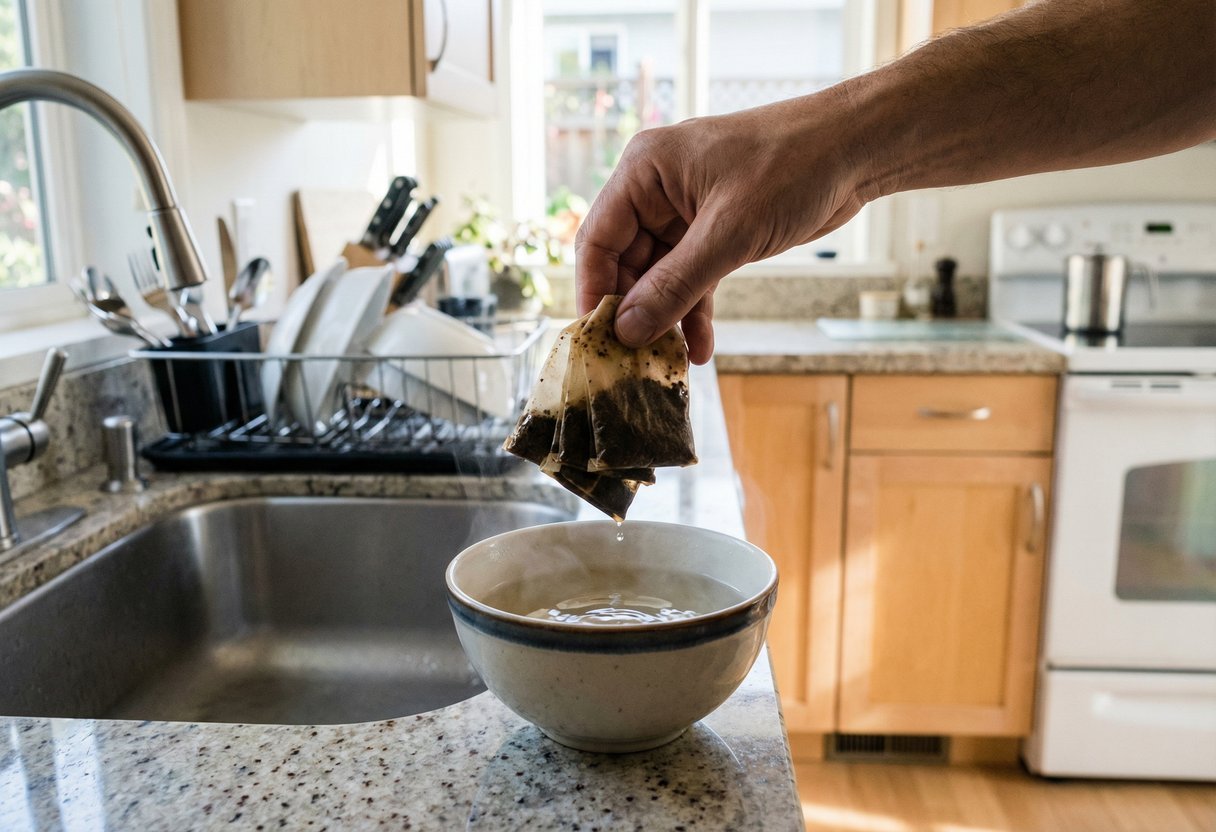
In the sink, drop 2–3 cooled bags into warm water for pans, glasses, and cutlery after meals at home. Tannins help cut grease and film, so baked‑on bits release with less scrubbing. For dishwashers, place 1 bag on the top rack in a mesh strainer to curb odors between cycles. It can let you use less detergent on everyday loads, though it does not replace soap or hot water.
Freshness and shine around the house
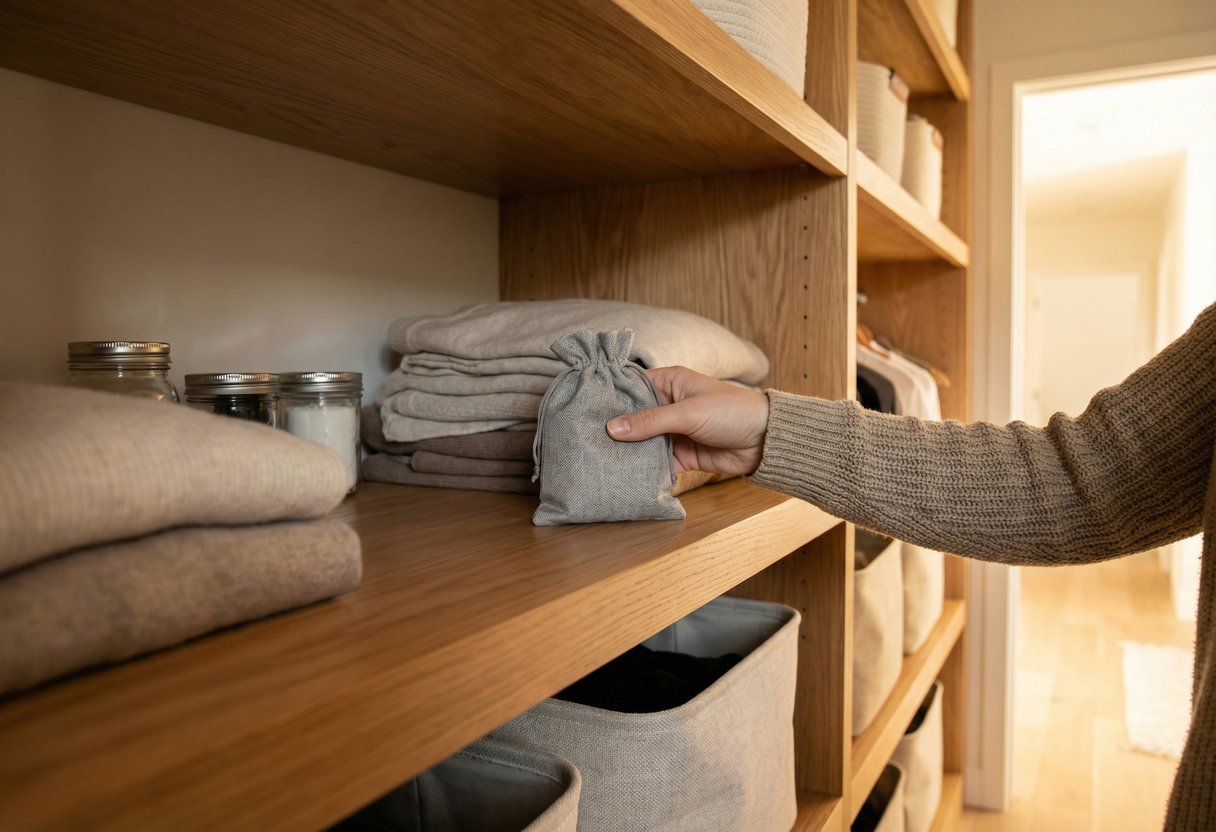
On wooden furniture, lightly rub a cooled, damp bag to revive luster without adding polish or sprays. Test first on light woods, as tea can tint the grain and darken finishes. Dried bags slip into shoes, closets, or the fridge to absorb smells and tame lingering humidity. For carpets, sprinkle dried leaves, wait, then vacuum; avoid wet tea on pale fibers to prevent marks.
Natural help in the garden
In the garden, tea leaves feed soil, improve texture, and speed compost during cool, wet months outdoors in bins. Many bags contain plastic, so open them and compost only the leaves if unsure, or buy certified plastic‑free options. Bury a bag near a thirsty plant, and it will slowly release moisture and nutrients. Choose plain tea over flavored blends to avoid sticky additives; some gardeners say leaves deter pests, though evidence is anecdotal.
- For just €7, this IKEA sensor instantly alerts you when a door or window is opened
For just €7, this IKEA sensor instantly alerts you when a door or window is opened
- I thought my orchid was doomed until this trick revived its bloom in 24 hours
I thought my orchid was doomed until this trick revived its bloom in 24 hours
The power of simple reuse
Small habits like this trim waste and modest household costs across the season at home, and save time, too. One bag reused means one less item in the bin and one cleaner plate, shelf, or floor at day’s end. Scale that across a week, and you extend the life of your cleaning staples without effort or new purchases. It is a modest, practical shift that fits neatly into the rhythm of daily tea.