
Many homeowners write off solar garden stakes as flimsy gadgets, then wonder why their paths stay dim. The truth is more complicated, shaped by years of bargain-bin models and simple missteps that sabotage performance. With smarter components now common and expectations better aligned to what these lights actually do, the gap between promise and reality is closing. Before you bin your set or buy another pack, it helps to know what really determines brightness and runtime.
Why solar garden lighting got a bad rap
A line of garden stakes flickers at dusk, then fades before anyone gets home. The culprit wasn’t sunlight; it was design. Early solar lights shipped with undersized panels, weak LEDs, and sealed cells. They delivered a faint halo, then died young, often within 2–3 years.
- Unable to find buyer, they offer their 1,400-square-foot apartment in a 10-dollars raffle
Unable to find buyer, they offer their 1,400-square-foot apartment in a 10-dollars raffle
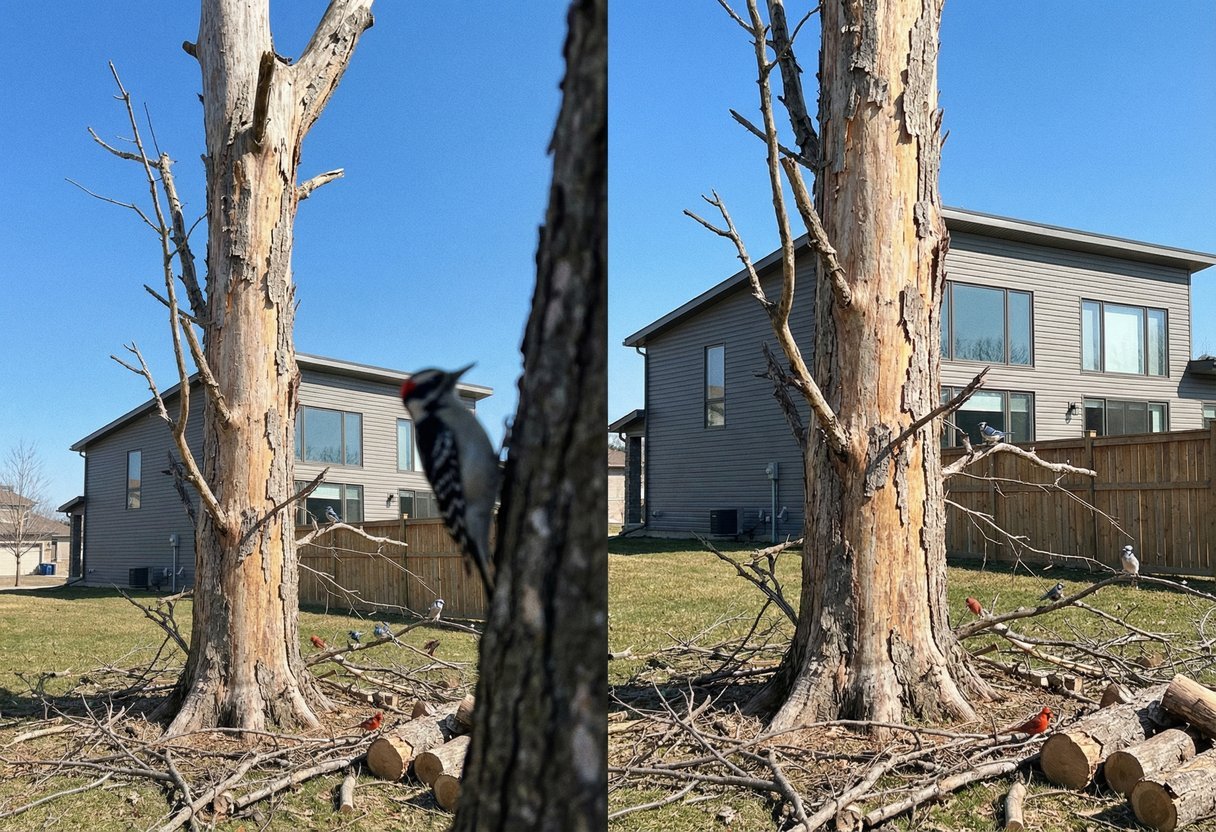
- Don’t cut down your dead trees, they’re essential for the survival of many bird species
Don’t cut down your dead trees, they’re essential for the survival of many bird species
Missteps at installation made things worse. Units were staked under hedges or next to walls, where panels sat in shade for most of the day. What good is a lamp if it spends the day in shade? Neglected lenses and dusty panels further cut charging, sealing a reputation for disappointment.
Technology has caught up: the new generation
That story has changed. Current LEDs push more light per watt and maintain color better, while dusk sensors switch with tighter thresholds. Smarter drivers throttle output to stretch charge on cloudy days. The result is consistent brightness for longer hours.
Power storage is better, too. NiMH and LiFePO4 packs last more cycles and, in many models, are replaceable. Housings are sturdier, with gaskets and UV‑resistant plastics that survive seasons of rain and cold. Reliability, not novelty, is now the selling point.
Choose and install for real performance
Picking the right spec matters. For exposed paths, target at least IP65; near a covered porch, IP44 often suffices. Check lumen output and beam angle, not just photos. Favor models with a replaceable battery, metal stakes, and tempered lenses. A 50‑lumen stake won’t double as security lighting.
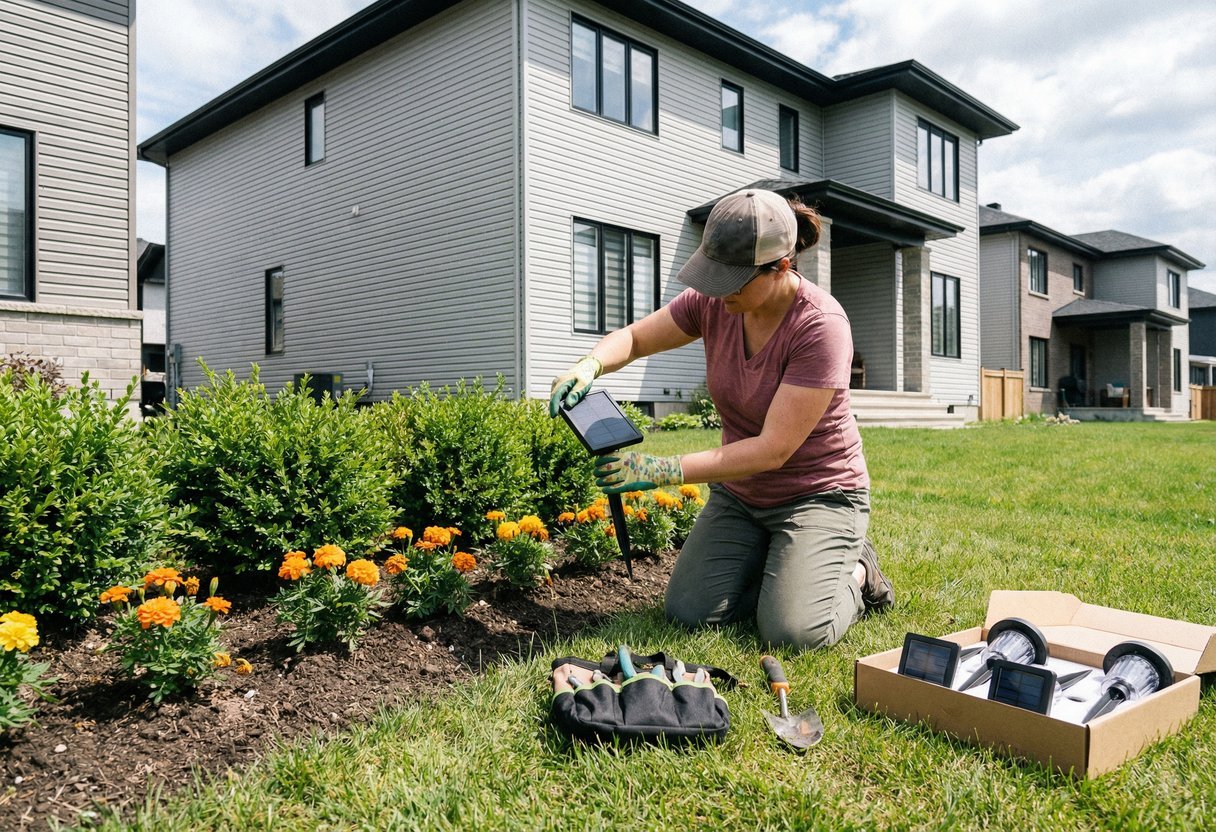
Placement is the make‑or‑break. Give panels 6–8 hours of unobstructed sun and aim them toward the sun’s arc. Space path lights 3–6 feet depending on output, and keep sensors away from streetlights. Wipe panels monthly in pollen season, and inspect batteries after 24–36 months.
- For just €7, this IKEA sensor instantly alerts you when a door or window is opened
For just €7, this IKEA sensor instantly alerts you when a door or window is opened
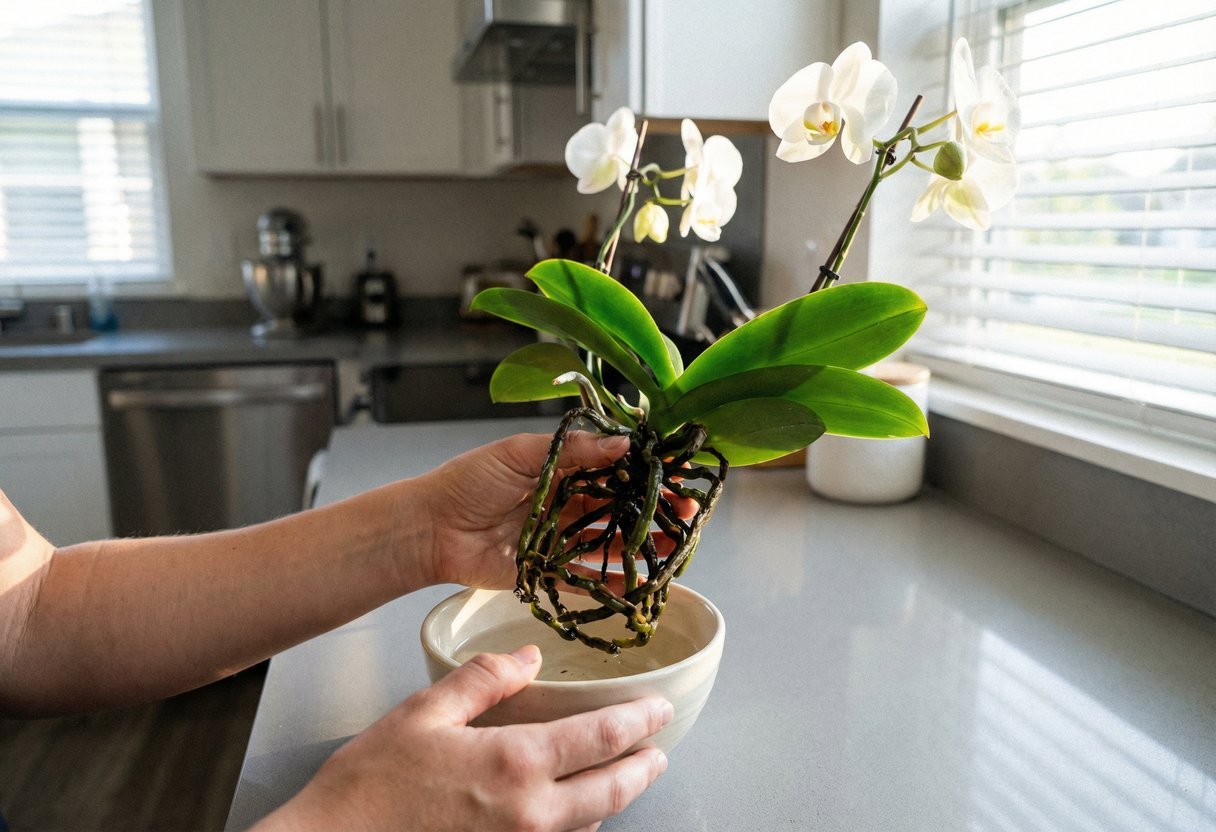
- I thought my orchid was doomed until this trick revived its bloom in 24 hours
I thought my orchid was doomed until this trick revived its bloom in 24 hours
How to use solar light across the yard
Use types to match tasks. For ambiance, 50–70 lumens creates a soft edge along beds and steps. For wayfinding, up to 150 lumens per fixture defines paths without glare. For gates or sheds, motion‑triggered spots above 300 lumens add punch only when needed.
Autonomy now spans 4 to 24 hours depending on charge, with 8–10 hours common in summer and 3–5 in winter. No trenches, no permits, no recurring energy cost—just light where you need it. Installed with care, solar fixtures stop being gadgets and start doing the quiet work of guiding your eye and your feet.