
Winter does strange things to our homes: windows stay shut, moisture lingers, and the air gets heavier. That mix feeds hidden growths and allergy triggers, often in a spot so ordinary we forget to check it. Respiratory health pays the price, yet many households still put off the simple routine that would keep the risk in check. Fresh data and expert advice point to a fix, starting with smarter cleaning and proper drying.
a hidden hazard under our feet
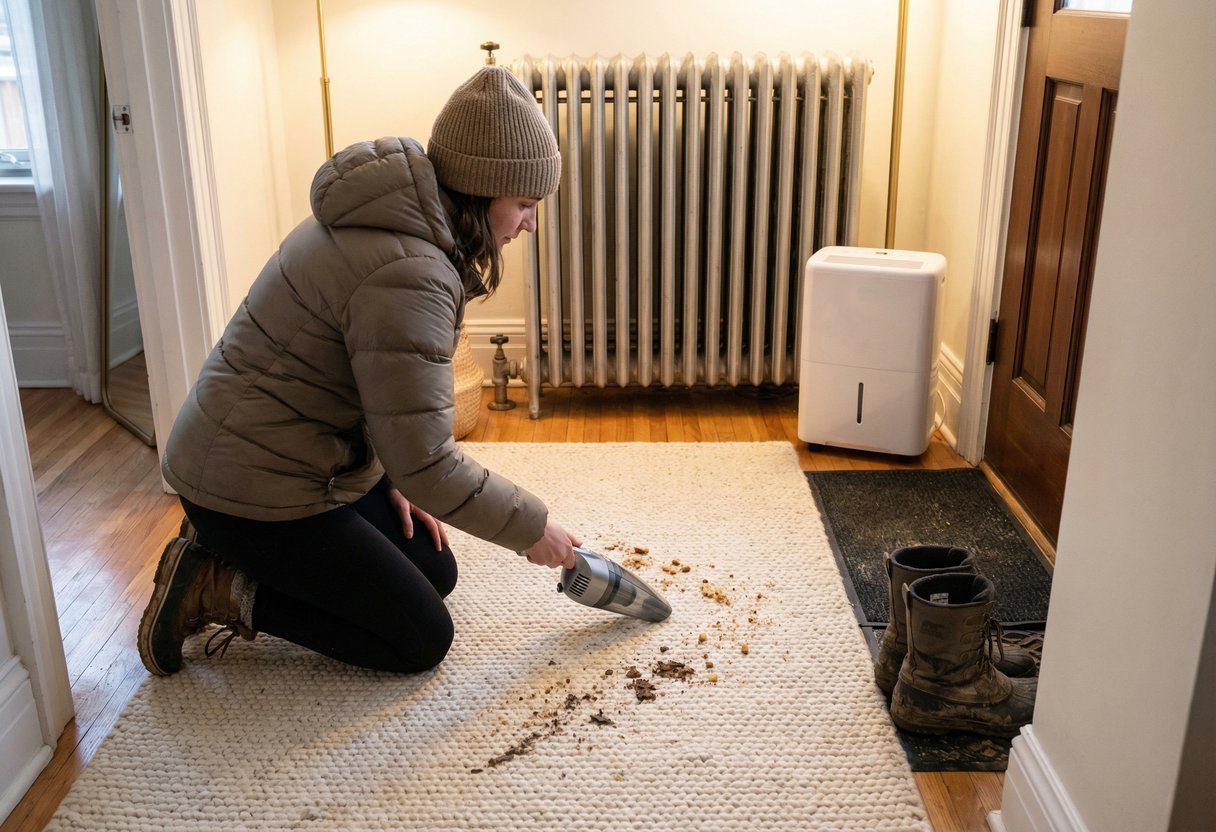
Radiators hum, windows stay shut, and boots track in damp grit. That is when an everyday object undercuts your comfort: the humble rug. In colder, wetter months, rugs can turn into reservoirs for mold and allergens that thrive out of sight and spread with every step.
- Unable to find buyer, they offer their 1,400-square-foot apartment in a 10-dollars raffle
Unable to find buyer, they offer their 1,400-square-foot apartment in a 10-dollars raffle
- Don’t cut down your dead trees, they’re essential for the survival of many bird species
Don’t cut down your dead trees, they’re essential for the survival of many bird species
carpets and winter humidity
Météo-France notes that winter often brings higher ambient humidity, indoors as much as out. We crack windows less to preserve heat, yet ventilation remains essential; without air exchange, moisture lingers in fibers and backing. Add drying laundry inside and wet shoes by the door, and you have a microclimate where fungi and bacteria settle in.
the numbers behind household hygiene
A survey from Kleen-Tex Home shows the gap between habit and hygiene: 35 percent of households deep-clean their rugs less than 1 time per year, and 12 percent admit they never do. Under-cleaned rugs act like filters that never get replaced, trapping dust mite fragments, pet dander, pollen, and mold spores. Each footfall resuspends particles into the room, nudging indoor air quality in the wrong direction.
expert advice to keep rugs healthy
Michelle Byrne, a product marketing expert at Kleen-Tex Home, stresses that care goes beyond a quick vacuum. She recommends a thorough wash at least 1 time every 3 months and says drying is non-negotiable: moisture left in dense fibers invites new growth. Between washes, shake rugs outdoors, vacuum weekly with a HEPA-capable machine, use a dehumidifier in damp rooms, and rotate entry mats so one can fully dry while the other is in use.
- For just €7, this IKEA sensor instantly alerts you when a door or window is opened
For just €7, this IKEA sensor instantly alerts you when a door or window is opened
- I thought my orchid was doomed until this trick revived its bloom in 24 hours
I thought my orchid was doomed until this trick revived its bloom in 24 hours
what it means for your health
So what does this mean for your lungs this winter? Mold byproducts and common allergens can irritate airways, worsen asthma, and trigger sneezing, coughing, or wheezing, especially in children, older adults, and anyone with respiratory sensitivity. Small changes—opening windows for 10 minutes twice a day, washing and fully drying rugs on a schedule, keeping wet shoes off textiles—lower the microbial load and keep inflammation at bay. The air you breathe starts at your feet; treat that surface like it matters, because it does.