
That friendly beep at the checkout is easy to ignore, yet it shapes how much you really spend. In France, the near-total embrace of bank cards has changed not just how we pay, but how we perceive prices and keep to a budget. This piece looks at the quiet costs that can slip into everyday shopping, and why the way you tap or swipe matters more than it seems. It also explores when plastic is a smart ally, and when another method may put you back in control.
Every checkout beep has a hidden price
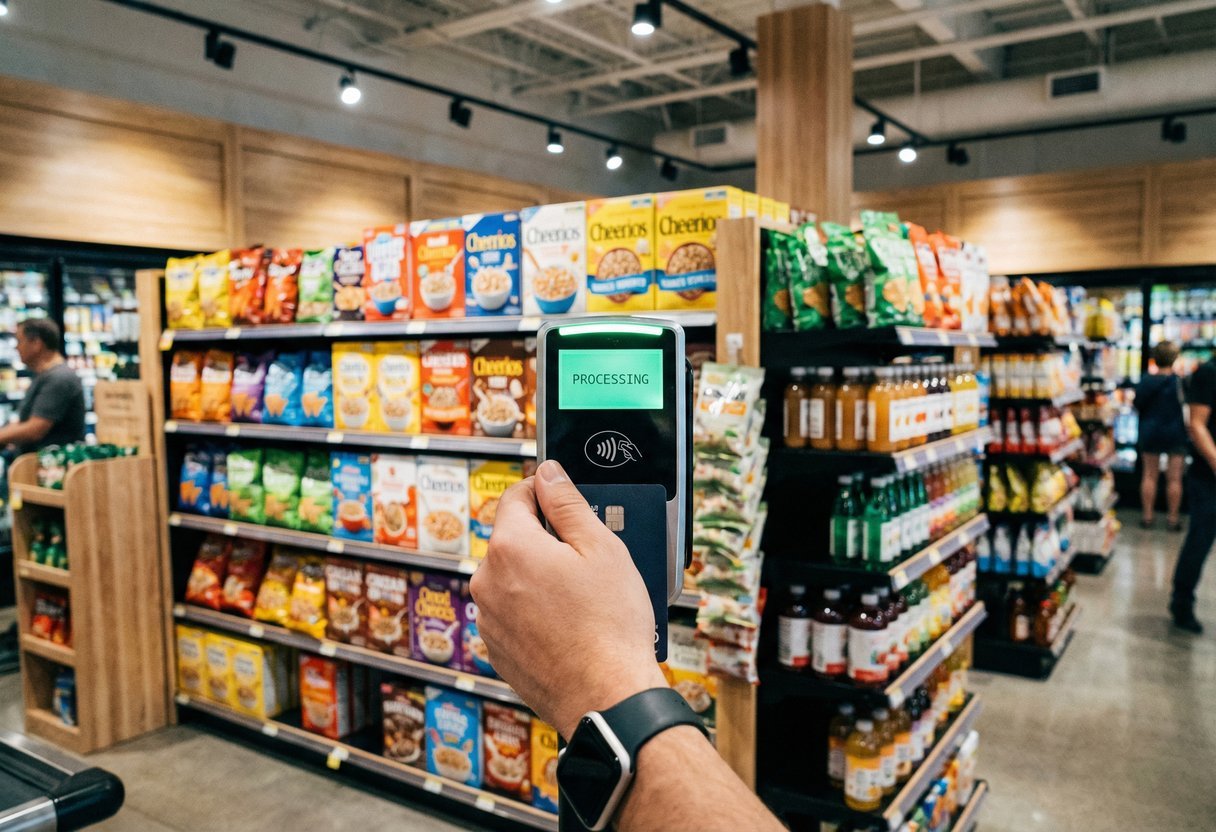
At a crowded supermarket, the scanner chirps and a card terminal glows. you tap, bag, move on. what’s the harm in a quick tap? behind that routine moment sits a larger shift: cash use has plunged in the Netherlands, and cards now dominate daily spending. the convenience is undeniable, yet the move from bills to plastic quietly reshapes what you pay and how you decide.
- Unable to find buyer, they offer their 1,400-square-foot apartment in a 10-dollars raffle
Unable to find buyer, they offer their 1,400-square-foot apartment in a 10-dollars raffle
- Don’t cut down your dead trees, they’re essential for the survival of many bird species
Don’t cut down your dead trees, they’re essential for the survival of many bird species
Why paying with a card can add extra costs
Every card payment triggers a chain of fees: the card network takes a cut, the bank takes a cut, and the payment processor takes a cut. retailers budget for those costs and often recoup them through slightly higher prices, so the burden rarely stays at the till. there is also a behavioral nudge at work. studies cited by consumer researchers in Europe and the US suggest people spend 15 to 20 percent more with cards than with cash because a swipe or tap feels less tangible than handing over notes. that frictionless flow is great for speed, less so for restraint.
Expert advice: manage spending with small changes
Financial planners and behavioral economists tend to agree on a few low-effort guardrails. start with a precise list and stick to it. set a weekly spending cap and withdraw that amount in cash for groceries and incidentals; a lighter wallet is a clear signal to pause. keep a running tally on your phone as you shop, and park “maybe” items for 24 hours before buying. if you prefer cards, use one account just for essentials and turn on instant alerts. small cues restore friction, which restores control.
When a card is the smarter choice
Cards are not the villain. for large, infrequent purchases—an appliance, a laptop, a sofa—paying by card can be prudent. many credit cards provide purchase protection, extended warranty, and solid fraud safeguards, which can outweigh minor fees. online orders, travel bookings, and subscriptions also benefit from dispute rights and traceability. if you collect rewards, prioritize a single low-fee card and commit to paying the balance in full every month; interest rates near 20 percent will erase any cashback fast.
- For just €7, this IKEA sensor instantly alerts you when a door or window is opened
For just €7, this IKEA sensor instantly alerts you when a door or window is opened
- I thought my orchid was doomed until this trick revived its bloom in 24 hours
I thought my orchid was doomed until this trick revived its bloom in 24 hours
A new look at everyday spending
The beep at the register is just a sound, but it reflects a choice. use cash where awareness helps—groceries, snacks, small household items—and reserve the card for purchases where protection and proof matter. when you combine a plan, a limit, and the right payment tool, prices get clearer and impulses quieter. that’s how a routine errand turns back into a decision you actually made.